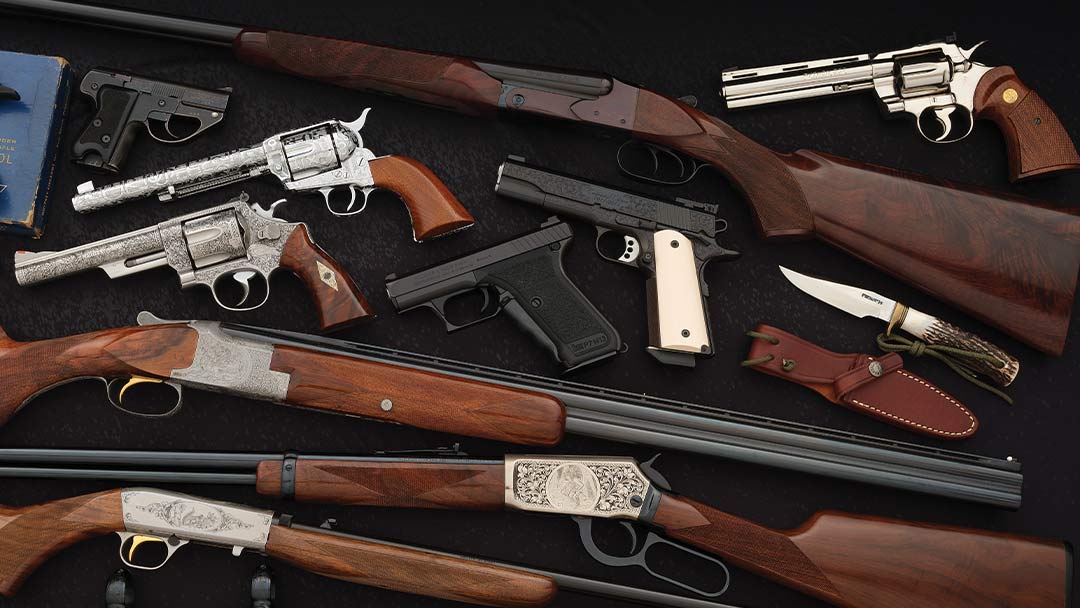
The 19th century saw a surge in arms innovation, including the introduction and development of the single action and double action revolver. Both platforms competed head-to-head in the civilian and military markets, with Europe and America taking two different directions early on.
We’ll explore the single action vs double action faceoff through the decades and look at some of the notable, rare, and intriguing examples in each firearm platform from Rock Island Auction Company’s October 4 -6 Sporting & Collector Auction in Bedford, Texas. Click on the images throughout this article to learn more about each model.
Single Action Vs Double Action Revolvers
Single action systems require two steps. The action must be manually cocked and pulling the trigger fires the weapon. In a double action system, both functions are accomplished in a single step, allowing a shooter to put lead downrange as fast as they can pull the trigger.
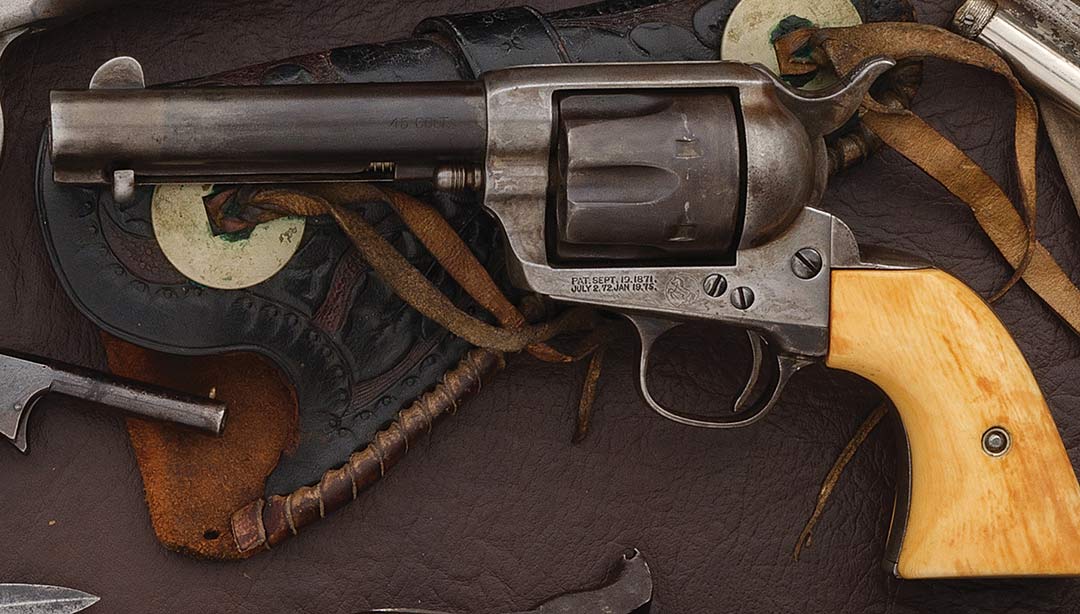
In the single action vs double action showdown, the double action platform carries a number of key advantages. Double action offers a more rapid firing rate. The heavier double action trigger pull also reduces the chance of an accidental discharge, an important safety consideration in an everyday carry sidearm meant for self-defense.
Fewer motions are needed to operate a double action, a useful feature for those with movement restrictions or anyone in a high stress scenario. Not being required to cock the hammer before each shot also allows a double action revolver to be fired from a coat pocket with less manipulation. Without the need for a spurred hammer, the double action also offers less risk of snagging clothing when drawn.
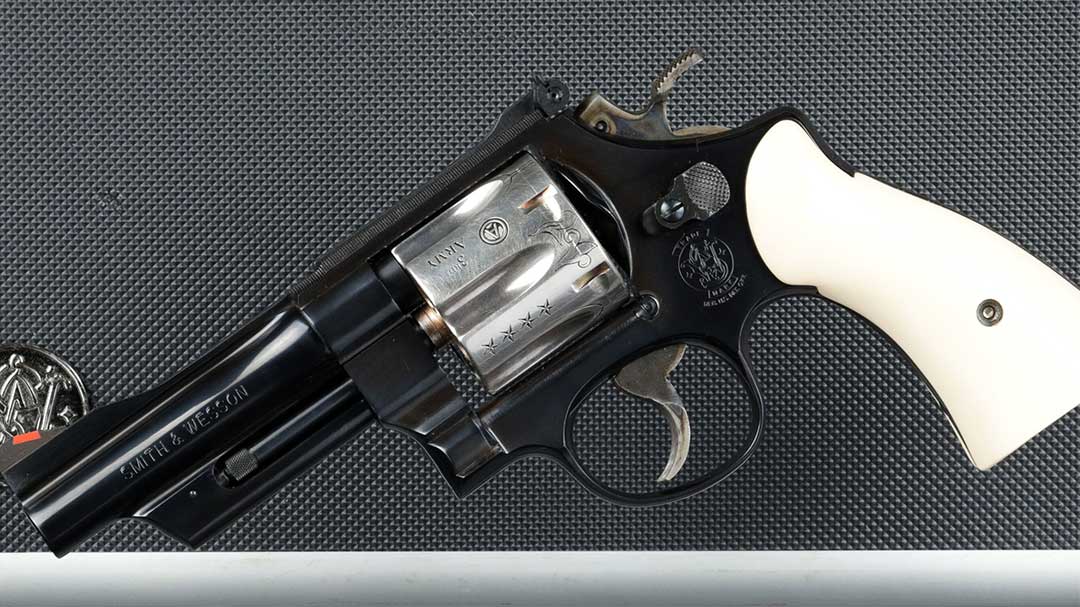
In the single action’s favor, the system usually offer a lighter trigger pull. Single action firearms typically employ simpler internals, which sometimes translates to lower production costs. Less bulky internals also make single action mechanisms ideal for small derringers and novelty weapons like pen guns, knife guns, and credit card guns.
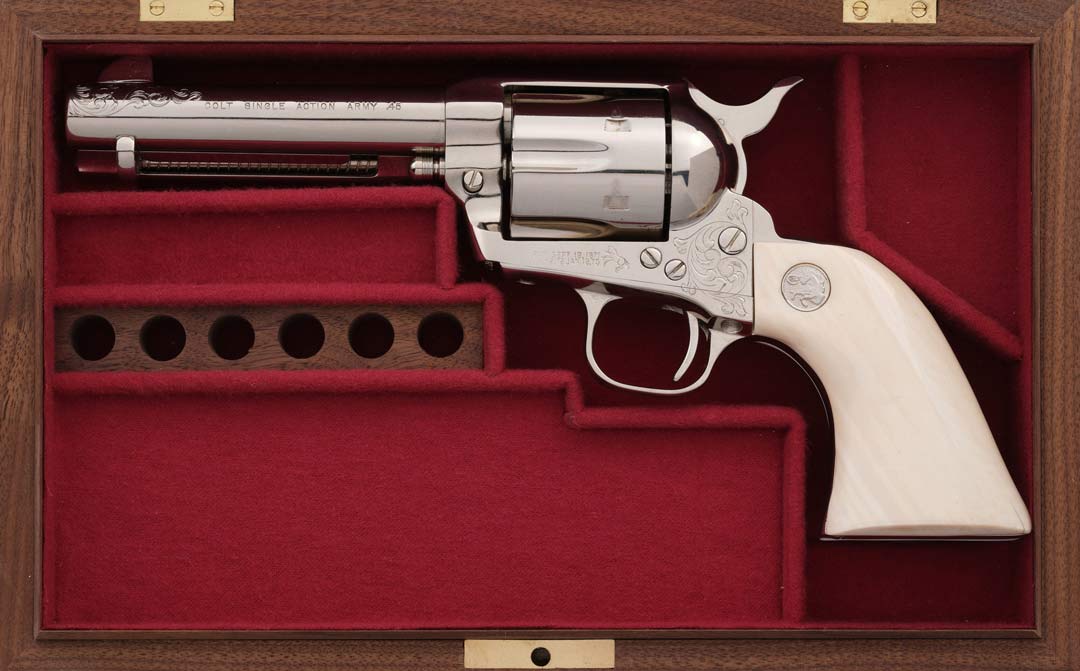
Single action revolvers offer a unique shooting experience and for some shooters have a more natural point and feel. And few firearm fans would deny that classic single action wheelguns like the Colt SAA have fantastic lines and curves.
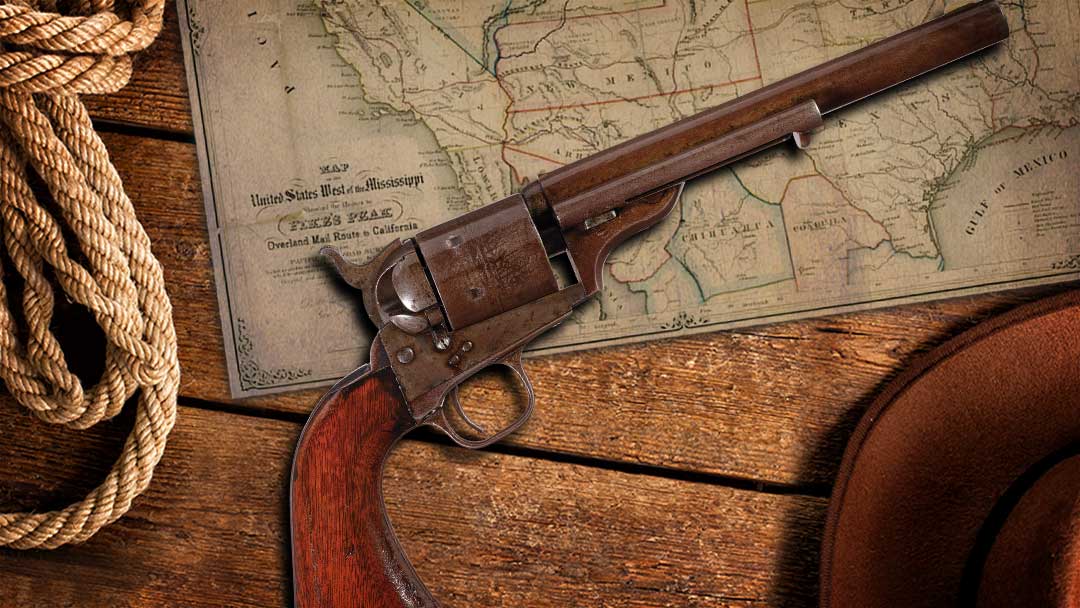
The double action/single action system found on many curio and modern revolvers combines some of the advantages of both platforms: the rapidity of the double action and the light trigger and precision of the single action.
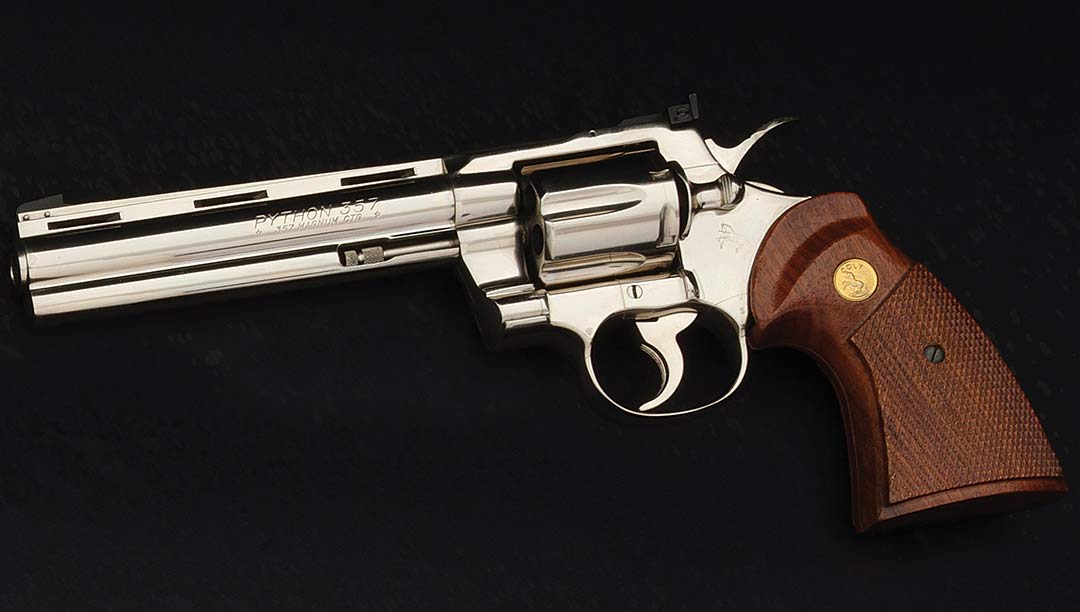
Birth of the Single Action Percussion Revolver
Revolving firearms have been around since the 16th century, with most matchlock and flintlock designs requiring the shooter to manually rotate the cylinder after each shot. In 1836, Samuel Colt was the first to patent a system that accurately synced a rotating cylinder to a fixed barrel.
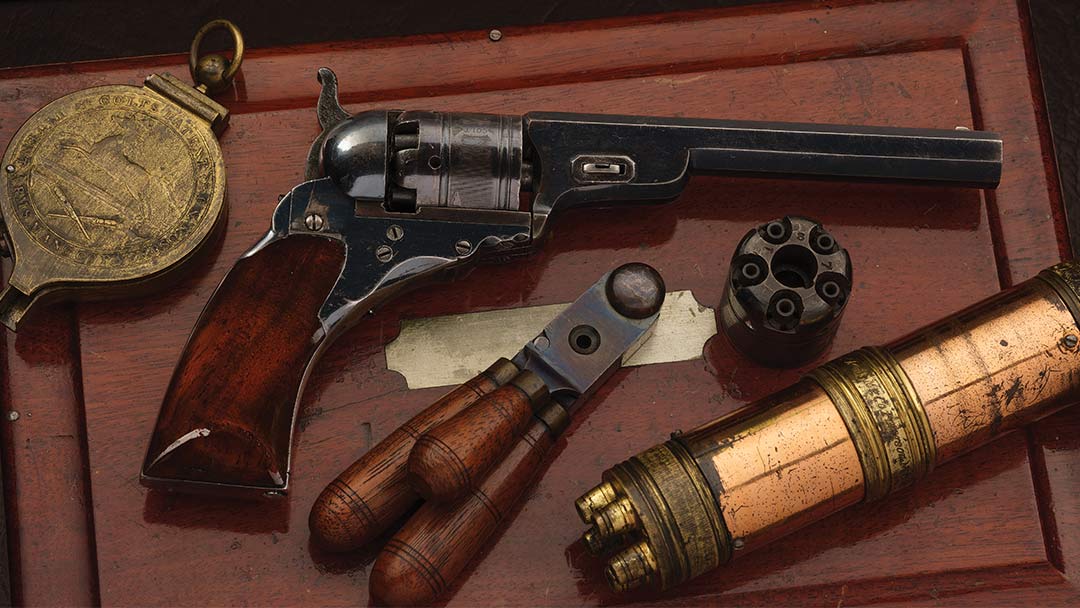
The Paterson set the stage for Colt single action revolvers to dominate the American market. A host of revolver designs were developed by competitors hoping to circumvent Samuel Colt’s patents, but the Connecticut gun mogul’s most serious early competitor would arise across the pond in the form of a double action design.
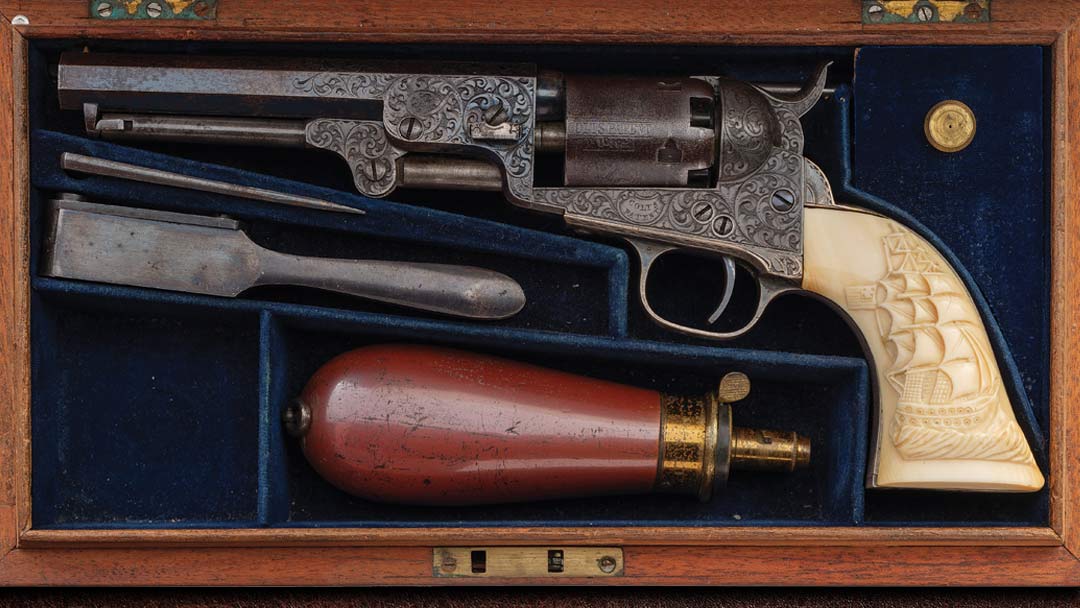
Birth of the Double Action Percussion Revolver
In 1851, Robert Adams patented a double action revolver system that could index the cylinder as well as cock and drop the hammer with a single trigger pull. Adams’ initial design, dubbed a “self-cocking revolver,” was a double action only with the hammer spur removed so it could not be manually cocked.
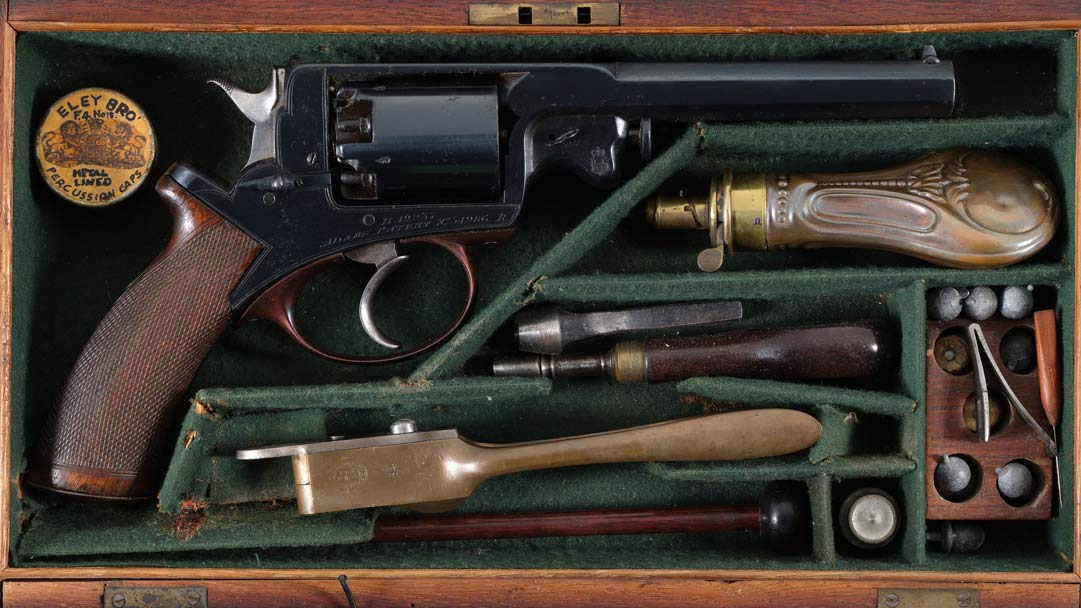
Adams and Colt both displayed their guns in London at the Crystal Palace Exhibition of 1851, the first time the single action and double action revolvers were compared head-to-head on the world stage. The exhibition immediately popularized the Adams design and set off a spirited debate in the British media about which revolver mechanism was superior.
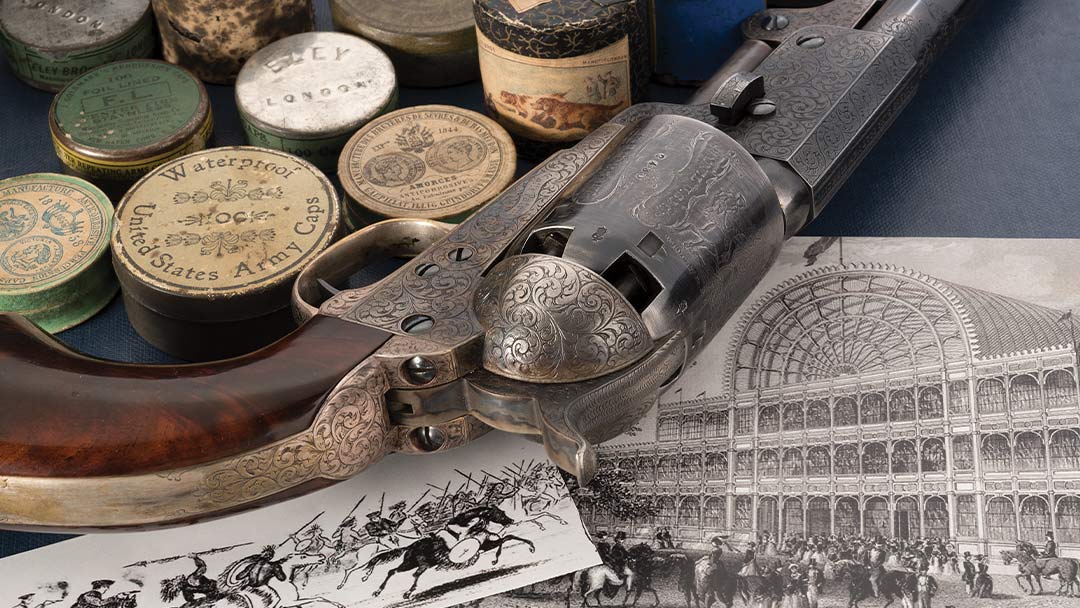
Single vs Double Action Percussion Revolvers in the Field
The single action vs double action design competed head-to-head in October of 1851, when the British Committee on Small Arms tested the Adams revolver and the Colt Model 1851 Navy at Woolwich. In the two hour trials, the Adams fired 25 times with no misfires, while the Colt suffered four. The Adams was chambered for a larger .44 cartridge, offered a smooth and robust action, and could fire more rapidly.
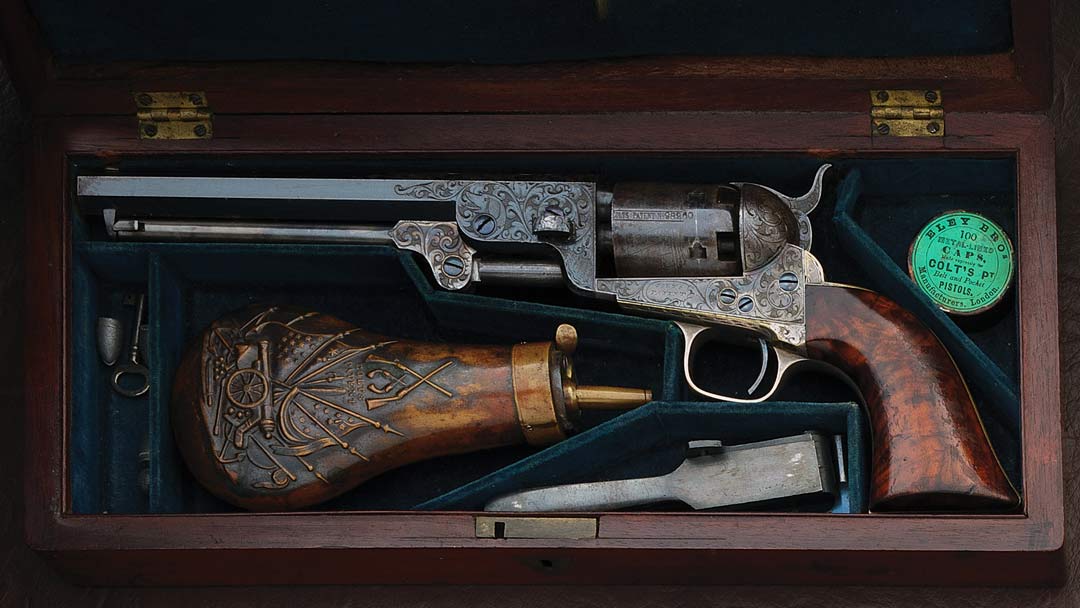
Noted drawbacks for the Adams included its lack of loading lever and its longer double action only trigger pull hindering the gun’s accuracy. The Adams had more parts than the Colt single action designs and relied more on hand craftsmanship than the machine assisted manufacturing processes Colt had pioneered, which resulted in a higher price point and slower production time.
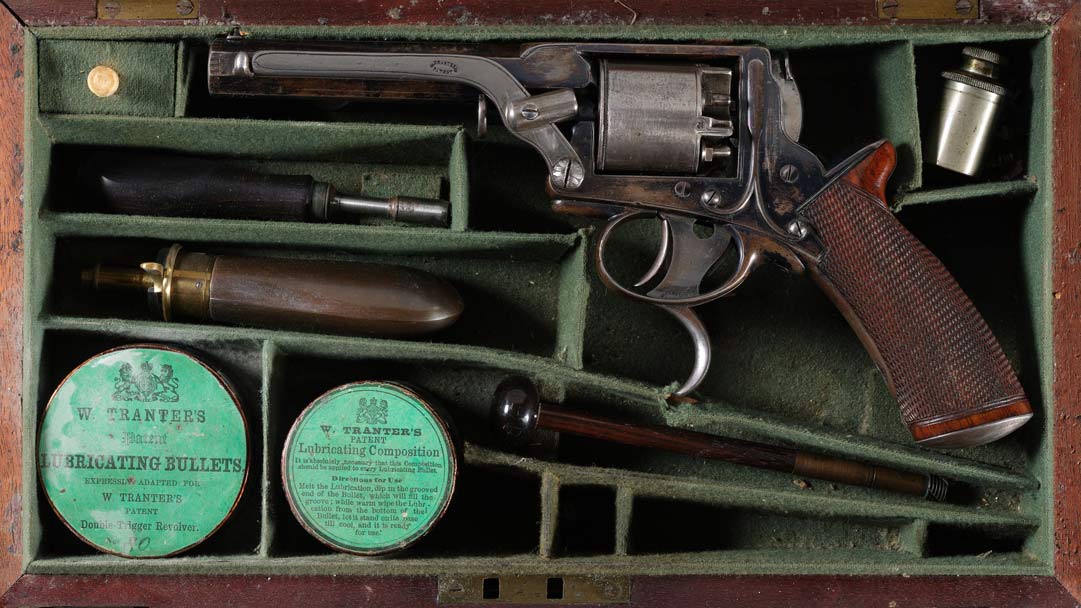
Robert Adams and his partners immediately worked to improve the design, including the addition of a bullet rammer similar to one in use by W. & J. Rigby. Pocket, holster, and belt models were offered in a variety of chamberings. Commercial sales were promising, and the Deane, Adams & Deane double action revolver became a popular option for British officers during the Crimean War of 1853 and the Indian Rebellion of 1857.
The Crimean War became the first major military proving ground in the single action vs double action arms race. A letter from Crimean War soldier J. G. Crosse from the 88th Regiment of Foot to Robert Adams illustrates a growing sentiment among the British military.
“I had one of your largest sized Revolver Pistols at the bloody battle of Inkermann, and by some chance got surrounded by the Russians. I then found the advantages of your pistol over that of Colonel Colt’s, for had I to cock before each shot I should have lost my life. I should not have had time to cock, as they were too close to me, being only a few yards from me; so close that I was bayoneted through the thigh immediately after shooting the fourth man.”
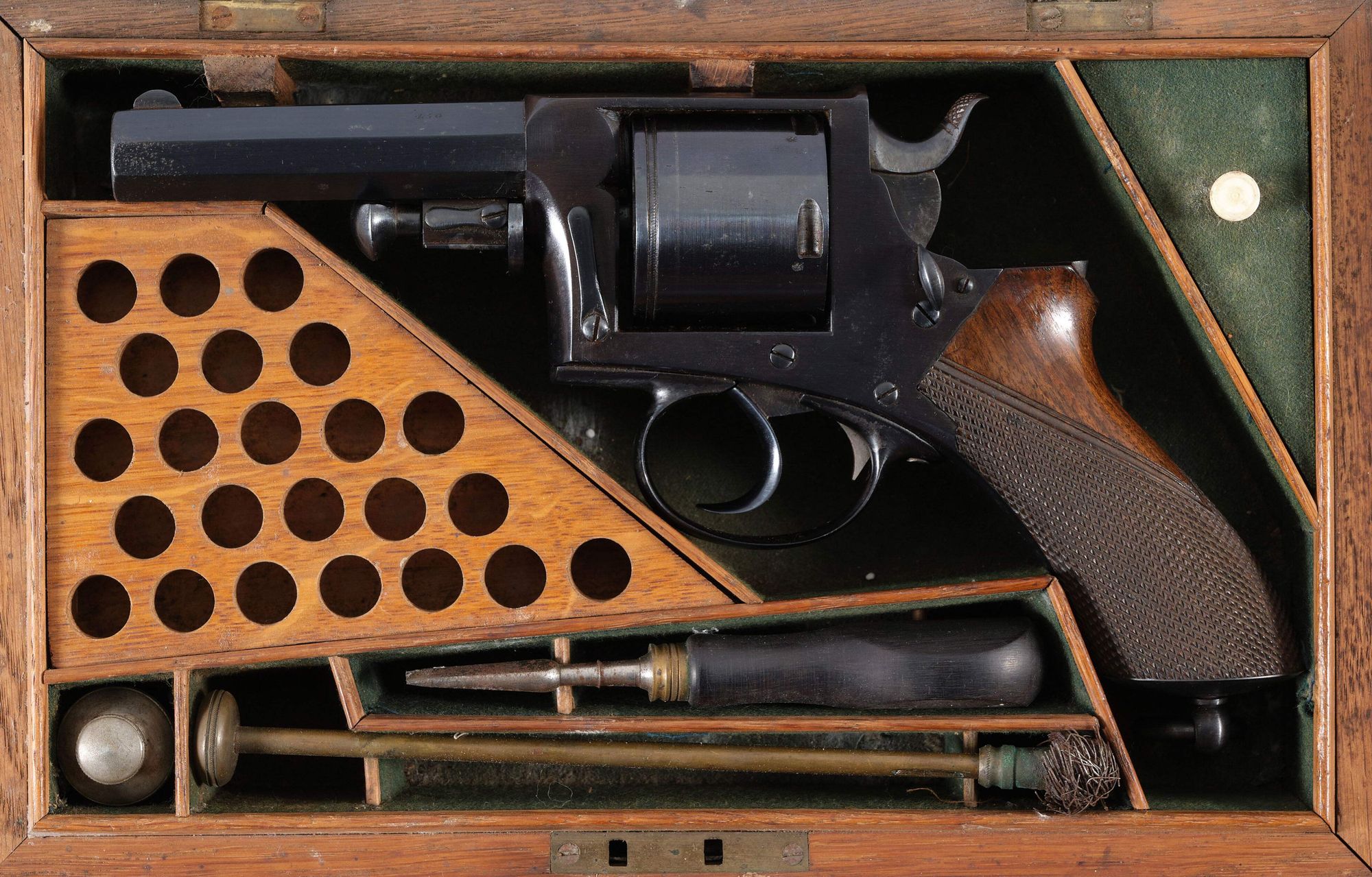
An improved bullet rammer designed by Adam’s cousin James Kerr was incorporated, and after the Crimean War the Adams revolver added a hammer spur and a single action/double action lock that had been patented by Lieutenant Frederick E. B. Beaumont. The Beaumont-Adams revolvers became a British army standard for the next 24 years. The platform saw numerous variants and clones and steered the European market toward double action revolvers over their single action competitors.
Single Action vs Double Action in America
Though European competition forced Samuel Colt to close his London factory in 1856, his single action revolvers continued to rule the American market. Meanwhile, numerous double action revolvers were produced by American manufacturers in the 1850s, including examples by Cooper Firearms, Starr Arms, and Rodgers & Spencer & Co. The latter company manufactured the Pettengill, the Civil War’s only hammerless revolver model. In 1863, the Remington-Rider revolver was introduced.
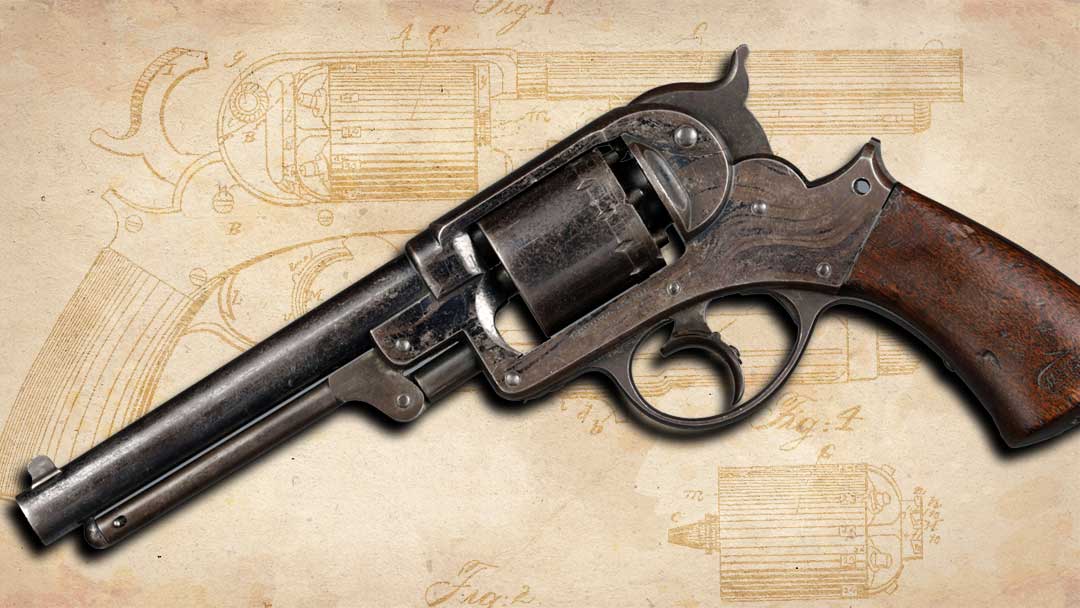
In the midst of Colt’s dominance, Smith & Wesson’s evolving line of single action revolvers gained popularity with civilians, law enforcement, and militia, and eventually the company garnered some lucrative military contracts as well. To the American military, durability in the field became the most important factor when adopting a metallic cartridge revolver, and the Colt Single Action Army was viewed as an ideal frontier sidearm.
On the double action revolver, Col. James Gilchrist Benton, Springfield Armory commander from 1866 to 1881, wrote, “The only advantage this system possesses is, that the arm can be fired rapidly without disturbing the aim. The disadvantages are, liability to accidental discharge, and failure to explode the cartridge.”
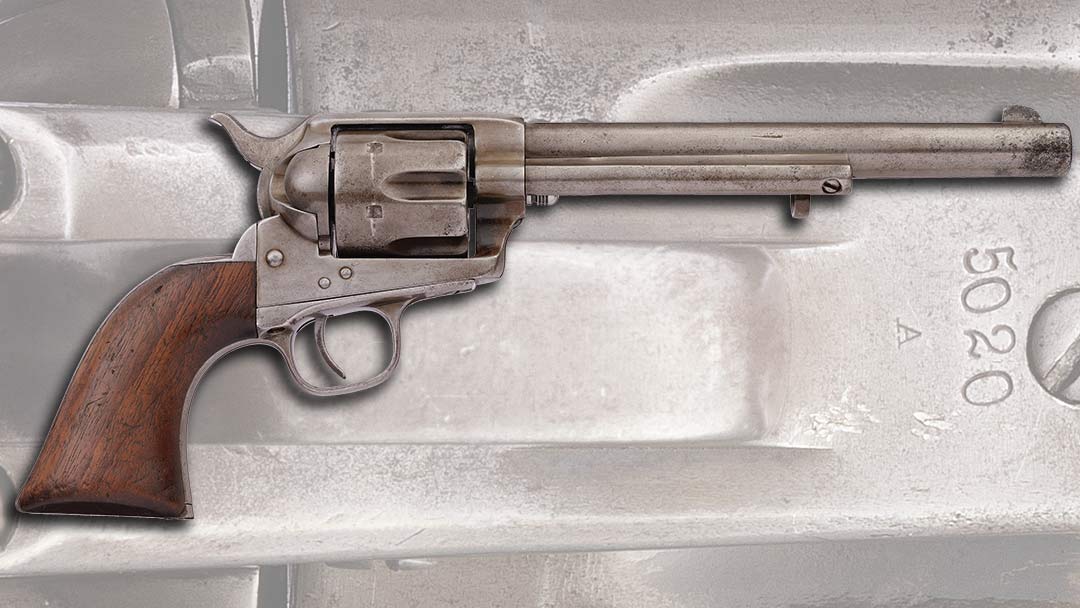
Samuel Colt had a strong opinion on the single action vs double action debate, believing the double action platform was less accurate, more prone to mechanical failure, and wasted ammunition. This philosophy would continue to guide the company for years after Colt’s passing.
In 1874, Frederick van Oppen, manager of Colt’s London Agency, sent examples of the latest Adams, Webley, and Tranter double action revolvers to his higher ups in Connecticut, writing, “All gunmakers abroad and at home, within British Dominions especially, state they can scarcely sell anything now in revolvers but double action central fire .450 bore pistols, with short to medium length barrels in preference.”
Colt was slow to respond, but finally directed superintendent William Mason to develop a double action design in 1876. The Colt “Double Action, Self-Cocking Central Fire Revolving Pistol” hit the market in 1877 and became an immediate hit. Nicknames emerged for each chambering, including the “Lightning” for the .38 caliber, “Thunderer,” for the .41, and “Rainmaker” for the .32 variant. The .45 caliber Model 1878, Colt’s first large frame double action revolver, was dubbed the “Omnipotent.”
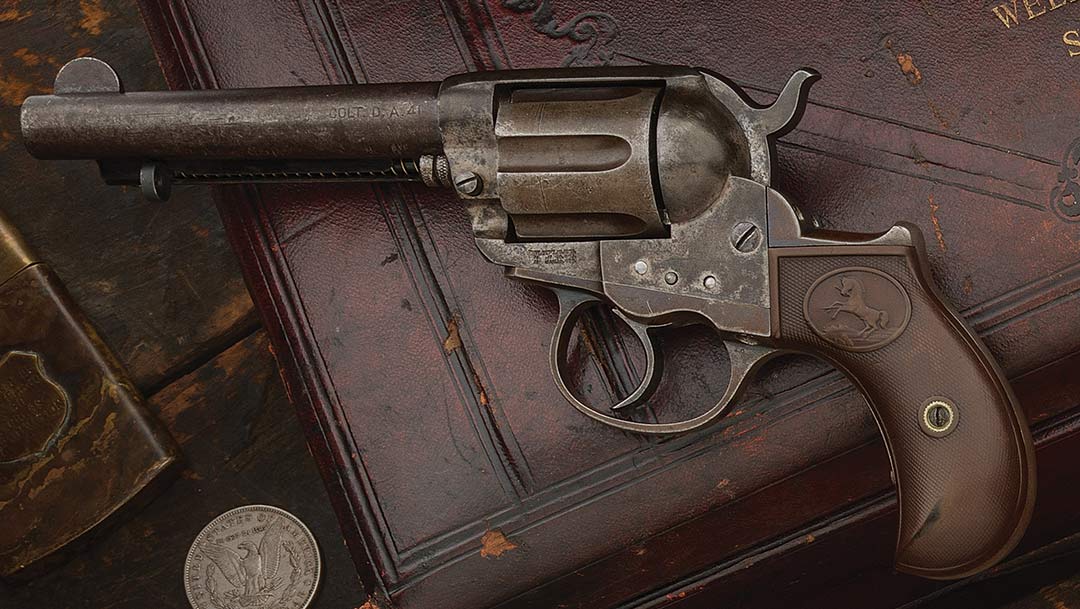
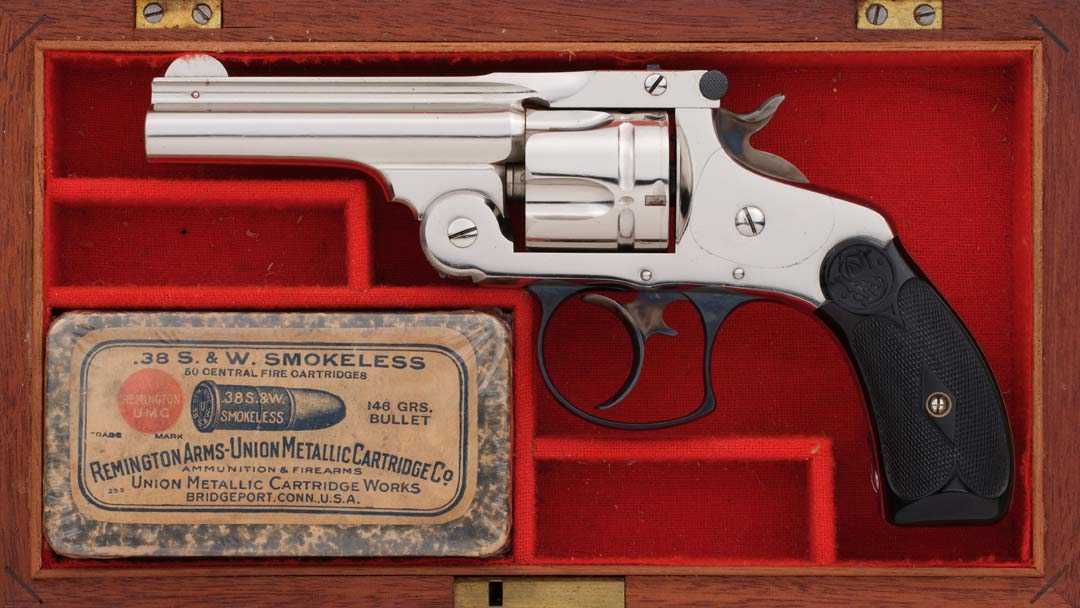
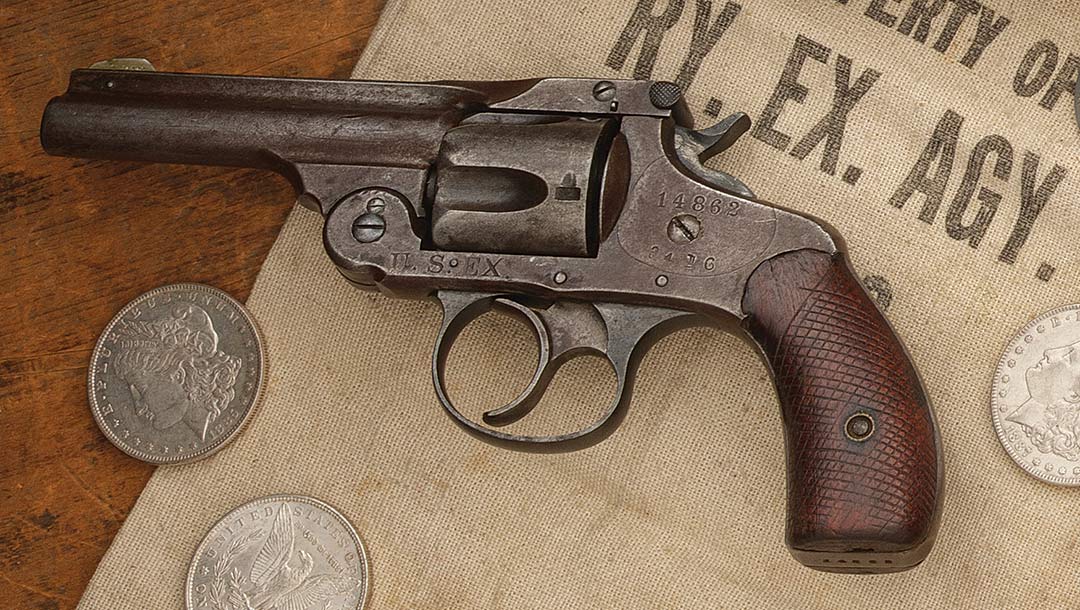
Smith & Wesson wouldn’t produce a double action revolver until early 1880. Released alongside a single action counterpart, the Smith & Wesson Model 2 double action included a number of modifications that allowed the revolver to function as a single action/double action system. The double action version outsold its single action sibling over four to one and saw nearly a million units produced across five variations between 1880 and 1913.
Single Action vs Double Action Arms Race
The Single Action Army remained the standard sidearm of the U.S. military for nearly two decades. The Colt SAA was finally replaced by the Colt M1892, the first widely issued double action revolver to serve America’s armed forces. The platform saw numerous updates and variants during its nearly 16 year production life and served in conflicts like the Spanish American War and the Philippine Insurrection.
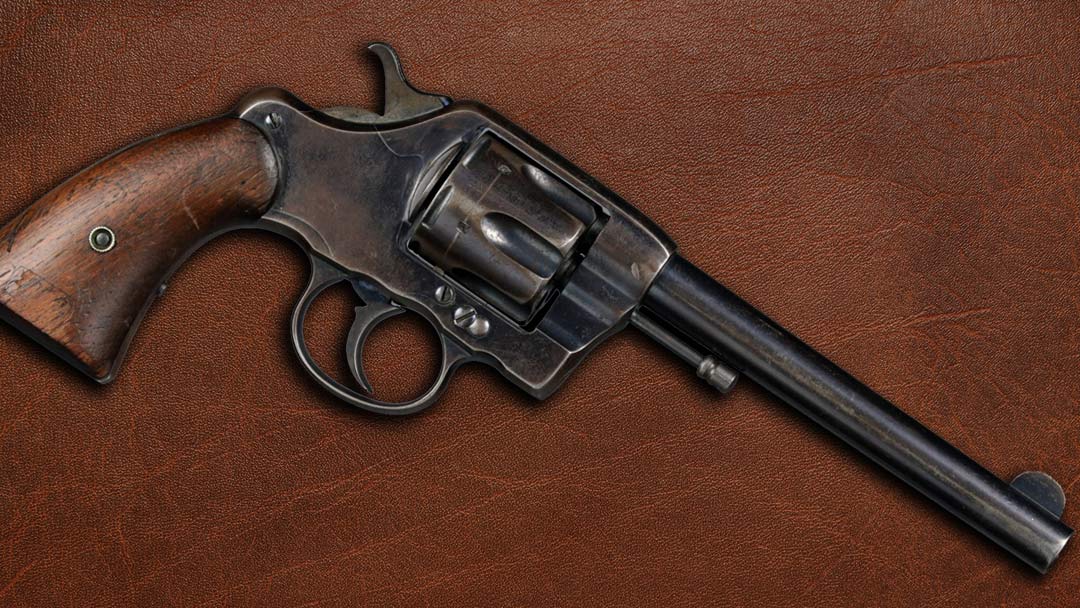
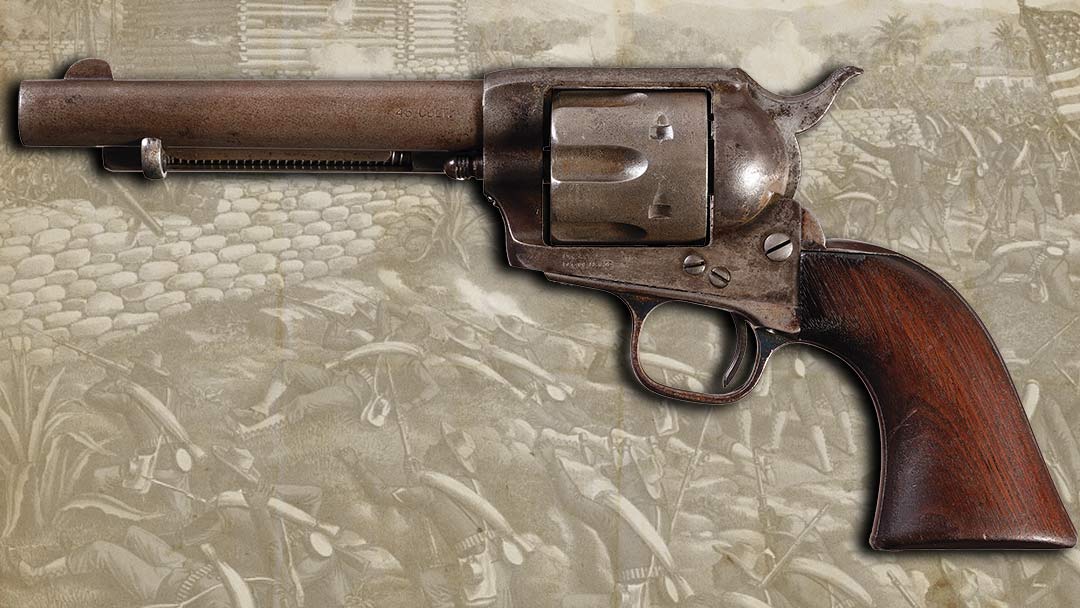
As the 20th century approached, the single action vs double action showdown was far from over. The reliable and plentiful Peacemaker continued to serve on the battlefield alongside its double action counterparts, like the Colt SAA revolver pictured below documented to a member of the Rough Riders Volunteer Cavalry.
The Moro Rebellion followed the War in the Philippines, a prolonged conflict with a local tribe that lived in the southern islands who General John Pershing described as “absolutely fearless, and once committed to combat they count death as a mere incident.”
The Colt M1892 .38 caliber double action revolver proved unpowered against the zealous guerilla fighters, and the U.S. military reissued the .45 caliber Colt Single Action Army. The conflict with the Moro directly influenced America’s Ordnance Department to adopt the .45 caliber New Service double action revolver and development the .45 ACP M1911 pistol.
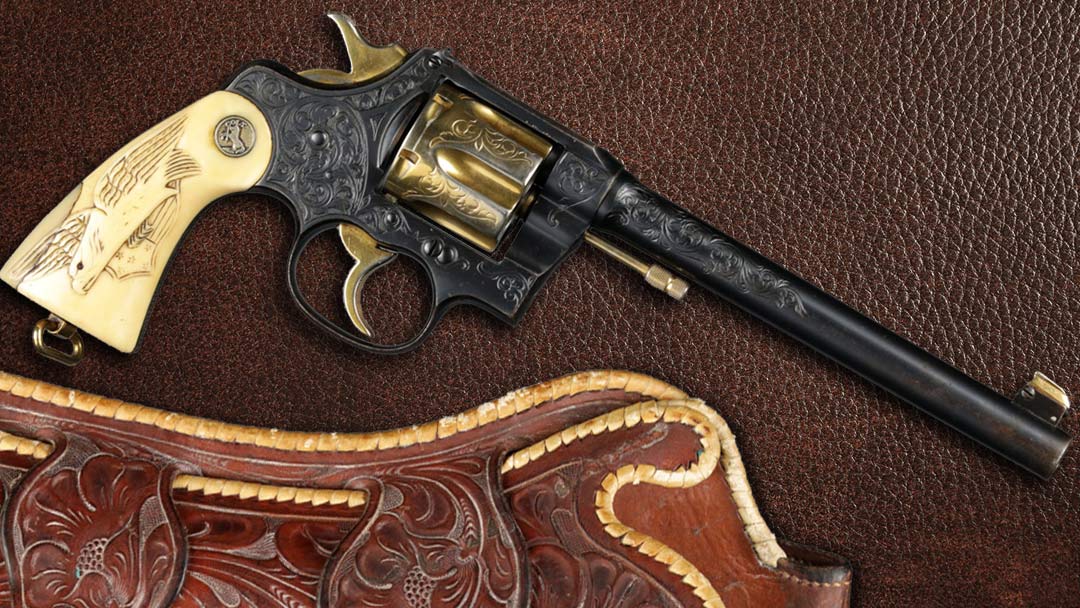
Colt’s hefty New Service revolver enjoyed widespread success in military, law enforcement, and civilian roles. The model became popular with British officers and was fielded by Canadian troops as well, and the platform laid the groundwork for the .45 ACP M1917 double action revolver, which supplemented the M1911 pistol throughout WW1.
UK forces relied on double action revolvers like the Webley and the Enfield well into the 20th century. Though long-retired as a standard issue sidearm, the Colt Single Action Army continued to serve secondary units and was carried by a few officers in WW2, including General Wainwright in the Pacific and General Patton in the European theater.
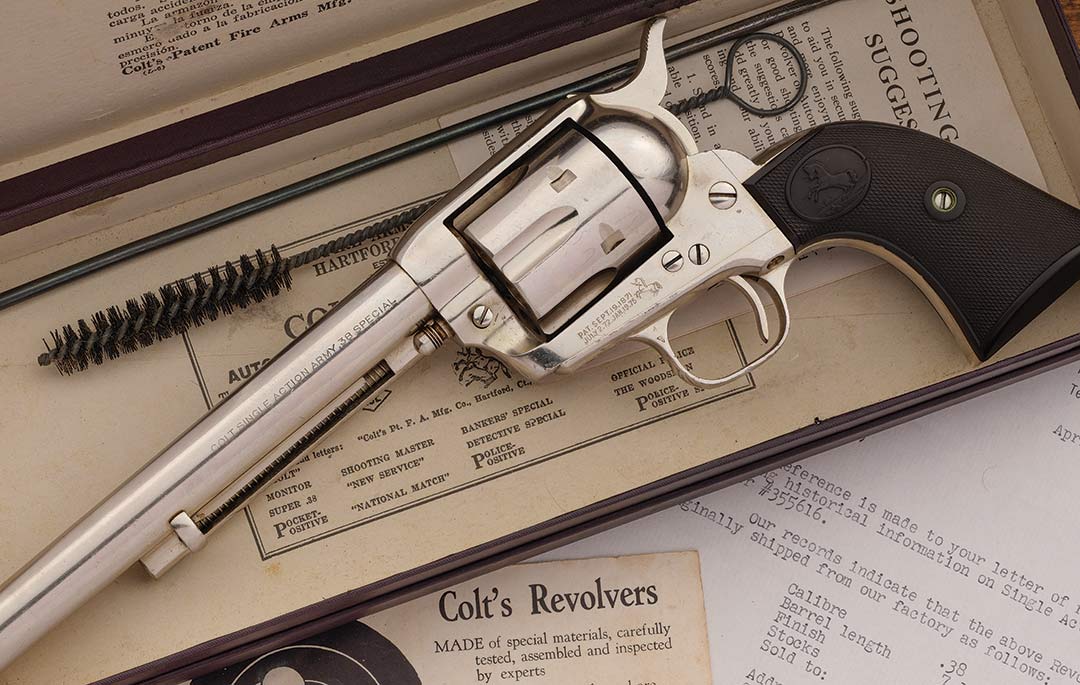
The Colt SAA pictured below is one of 163 ordered by the British Purchasing Commission as an emergency replacement for small arms lost by the British Expeditionary Force during the evacuation from Dunkirk in May 1940. These “Battle of Britain” revolvers were the last Colt Single Action Army revolvers ordered under military contract.
Single Action vs Double Action By the Numbers
The double action revolver came to dominate in the 20th century, and the proof is in the production numbers. According to Smith & Wesson “over six million” Model 10 revolvers have been produced since 1899, making the platform the most popular revolver line ever produced.
A distant second for double action revolvers, over 2 million Russian Nagant M1895s were built. The Police Positive Special double action revolver become Colt’s best selling wheelgun line with over 750,000 manufactured. The Police Positive Special’s popular snub nose spinoff, the Colt Detective Special, saw a production run of over 350,000.
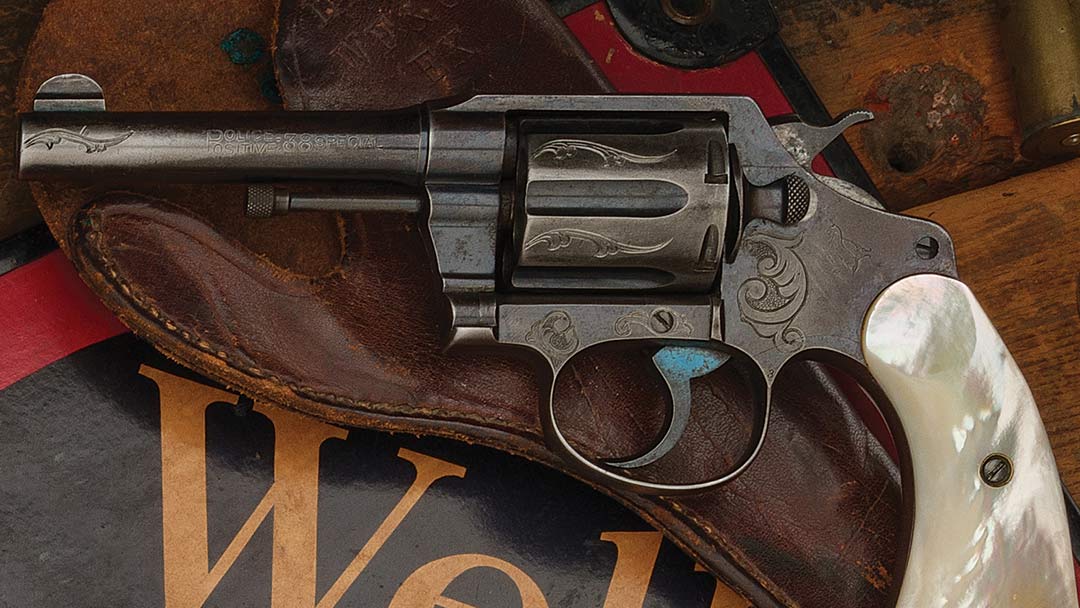
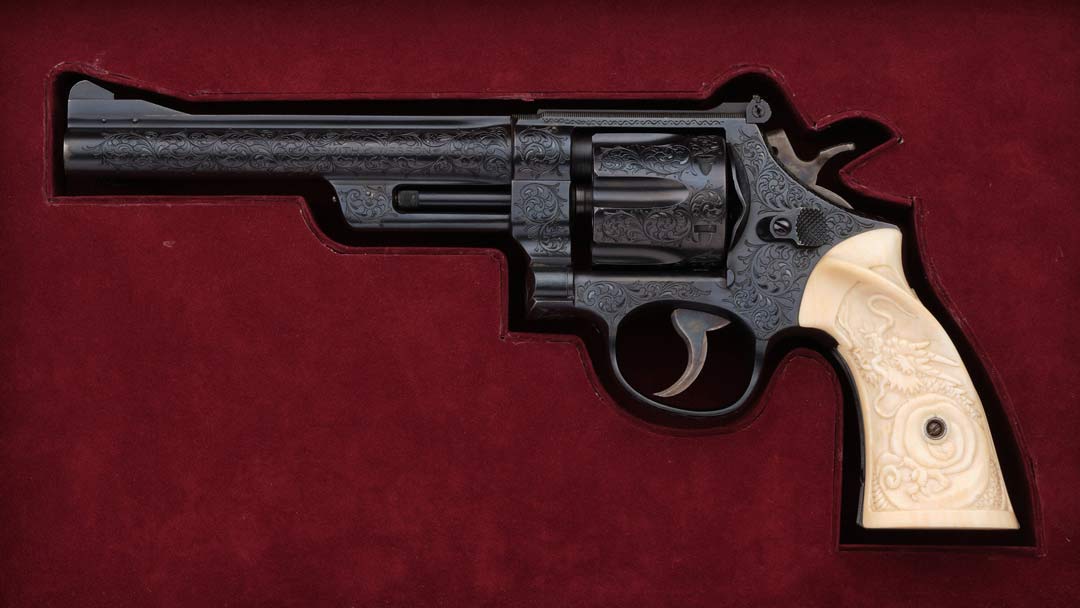
Smith & Wesson’s double action N-frame revolvers became one of the most popular handgun platforms, with over 1.3 million produced including the Model 27, Model 28, and Model 29. Combined numbers for S&W I-Frame revolvers like the Model 30, 31, 32, 33, 34, and 35 aren’t far behind. Colt’s medium frame Official Police model, previously known as the Colt Army Special saw a production run of over 1 million units across all variations.
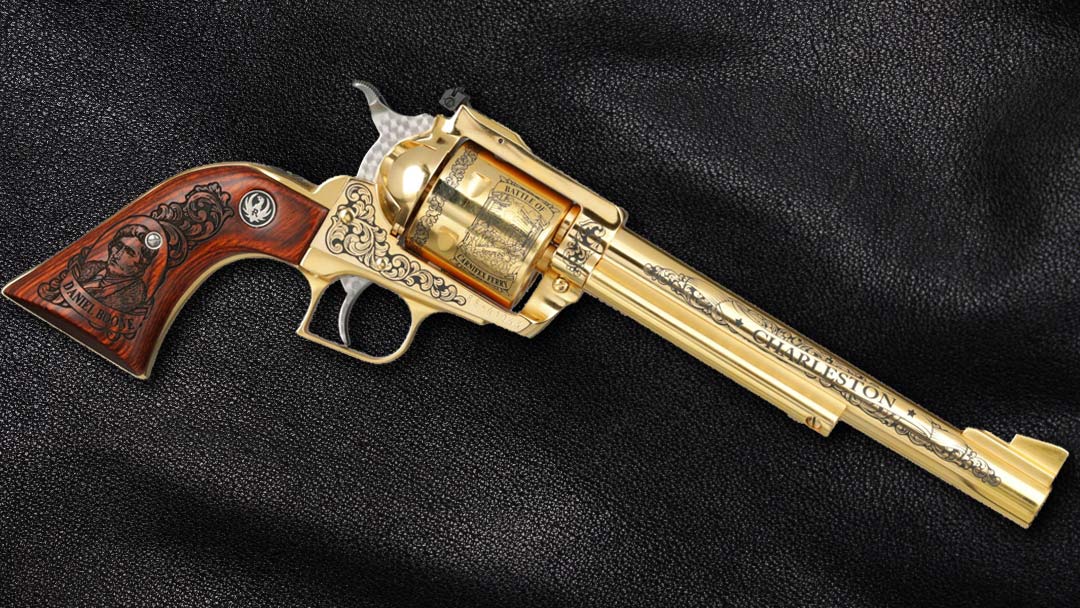
The single action vs double action popularity contest is far from one-sided, however, and one of the biggest reasons for the continued success of the classic SA revolver has been Ruger Firearms. Introduced in 1955, the Ruger Blackhawk has become the most produced single action revolver line in history with over 2 million sold.
The Blackhawk’s smaller sibling, the Single Six, holds second place among single action revolvers with over 1.5 million produced since it hit the market in 1953. The Ruger Vaquero, released in 1993, earns the third spot with over 650,000 manufactured and counting.
Single Action vs Double Action Today
The SA/DA revolver has come to fill nearly every role, particularly everyday carry and self defense, but as Ruger sales numbers demonstrate, single action continues to enjoy widespread popularity. A decade after WW2, Colt resumed production of their Single Action Army with their Second Generation run. The Golden Age of Westerns was at its height, spurring nostalgia for the Wild West and the frontier firearms featured onscreen.
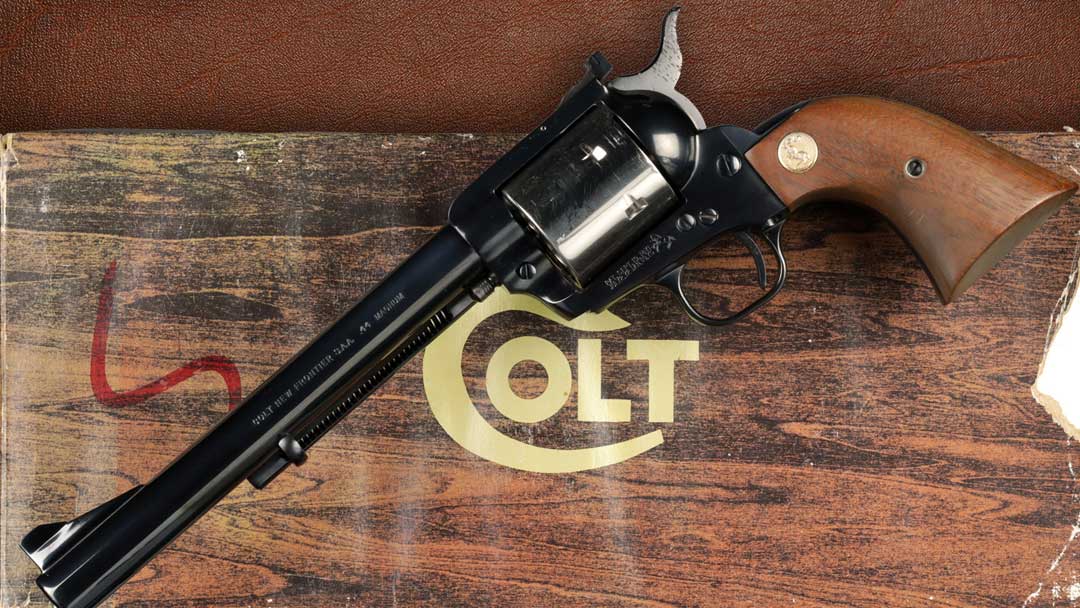
Ruger’s Blackhawk took inspiration from a generation of custom Colt SAAs and paired the design with Remington’s new .44 Magnum cartridge. In his 1955 book, ‘Sixgun,’ outdoor legend Elmer Keith was impressed with the Blackhawk, noting, “For the shooter, be he plinker, peace officer, cow-poke or hunter, this new Ruger is a good, well-made arm. Colt collectors may prefer the original old Peacemaker but any shooter who wants to have first class target sights combined in a really modern arm with all improvements including the rebounding separate firing pin will find the new Ruger Blackhawk the finest single action revolver manufactured to date.”
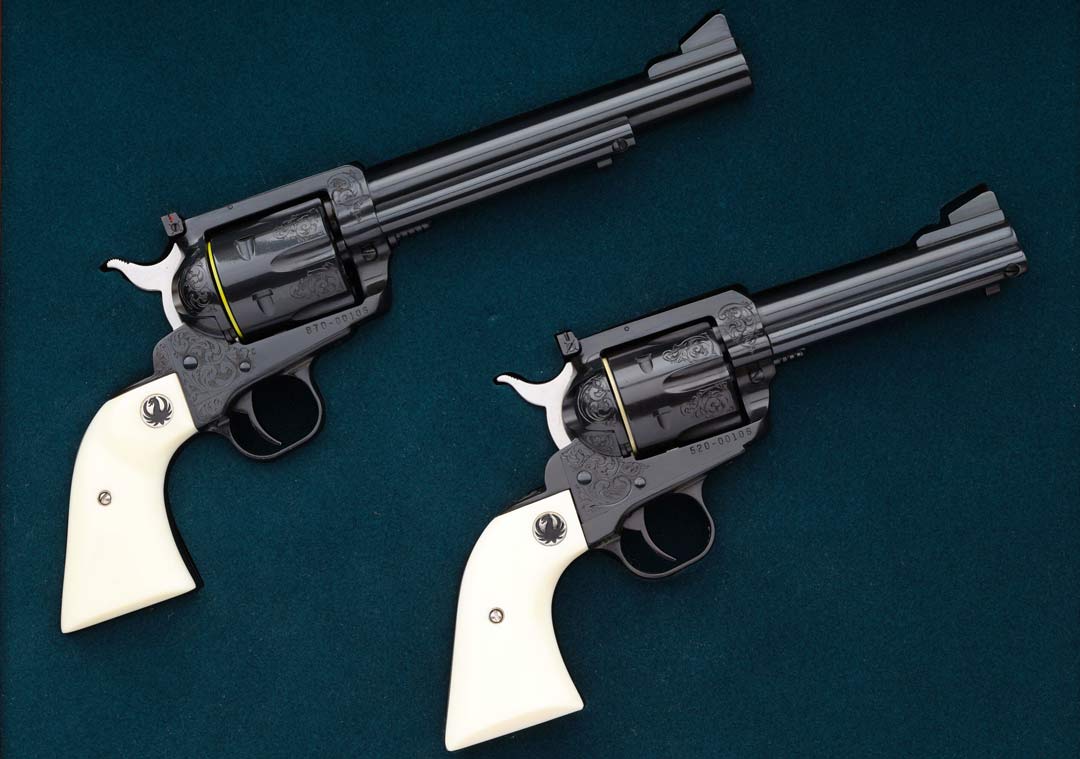
Colt’s Third Generation Single Action Army was initially offered as a limited run starting in 1976, but renewed interest in the platform prompted Colt to resume production of the classic in 1994. Thanks to firearm focused online communities, Cowboy Action Shooting, depictions in popular media, and the mainstream appeal of gun collecting, the single action revolver continues to appeal to a wide audience.
Single Action vs Double Action Collecting
The single action vs double action debate is ultimately going to come down to individual preference and the intended role being filled. Most arms enthusiasts enjoy owning numerous guns that offer distinct and memorable shooting experiences. For handgun hunting, single action only and SA/DA revolvers are available today in almost every chambering. For the sportsman, shooter, and collector, rare and historic examples of each style can be found this October at Rock Island Auction Company.
Subscribe to the Rock Island Auction Company’s weekly newsletter for gun blogs and gun videos that cover some of histories most intriguing revolver models, including 19th century wheelguns like the Colt Cloverleaf pistol, the LeMat revolver, the Griswold revolver, the Remington 1875, the Merwin Hulbert, the S&W Schofield, and the S&W Model 320 revolving rifle, modern classics like the S&W Chief’s Special, the S&W 53, and the Colt Python, and intriguing oddities like the Webley-Fosbery auto revolver the Mateba Unica 6 Auto, and the Dardick auto-loading revolver.