

Is it a rifle? Yes. Is it a shotgun? Yes. Does it have a third barrel for good measure? Yes. The Germans, who embraced this type of gun called it a “drilling,” or triplet.
Double-barreled guns with a shotgun barrel on one side and a rifled barrel on the other goes back to flintlock and muzzle loading guns, like the Cape gun. The Germans, too, had a name for it, “büchsflinten,” combining the word for rifle, “büchse,” with the word shotgun, “flinte.”
When industrialization caught up to gun making, giving hunters the ability to load their guns from the breech, a third barrel was added and the drilling was born. Several examples of this uniquely German firearm will be available in Rock Island Auction Company’s Oct. 4-6 Sporting and Collector Auction in Bedford, Texas.
Why a Drilling?
Germany has a diverse offering of game species, from the populous but small roe deer, larger red deer and fallow deer as well as wild boar that experienced a population explosion in the 1980s. German hunters also take small game like weasel, ermine and badger. Winged game ranges from partridge, dove, swan, duck and seagull. With a number of game options, a gun with multiple barrels in different chamberings is a good idea for a day of hunting.
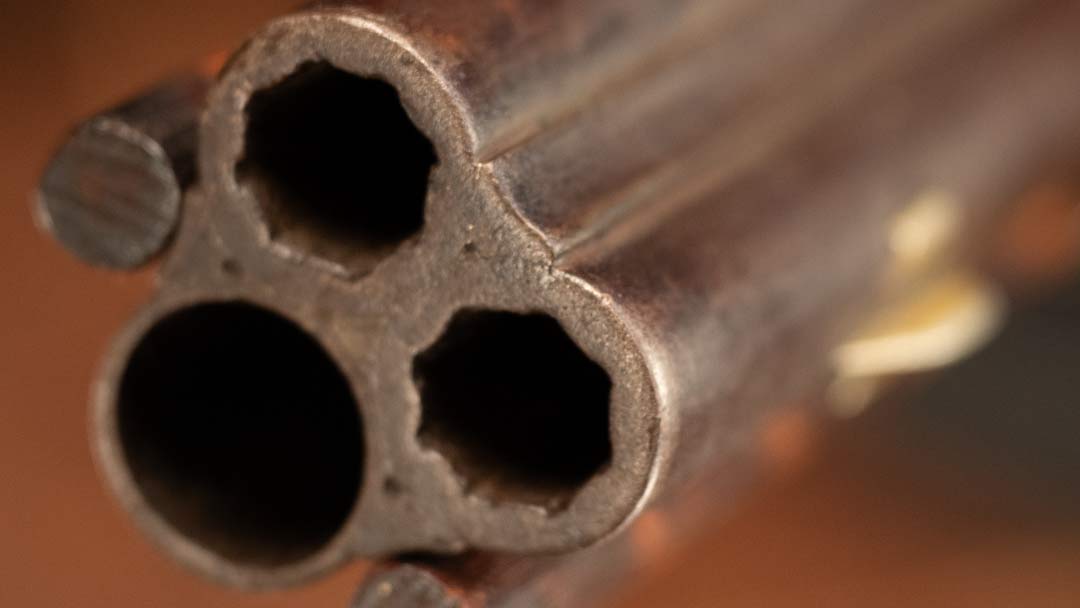
One German hunting writer called the drilling, “the optimal gun for the woods-walker, forester and gamekeeper.” The drilling is not as popular as it once was but Germans still value older models for the tradition and their affordability. Pre-World War 2 drillings were primarily 16 gauge shotguns but more modern ones are now found with two rifle barrels over a shotgun barrel, called a doppelbuechsdrilling. Krieghoff makes a dangerous game drilling with two rifle barrels on top that shoot a cartridge similar to .416 Rigby but is rimmed over a 20 gauge shotgun barrel.
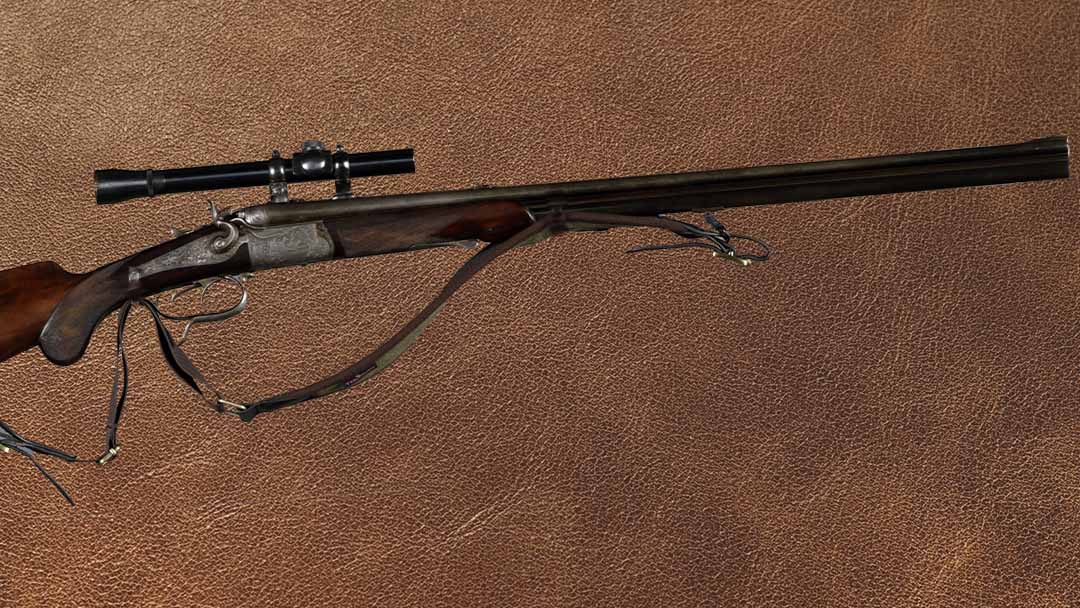
The Origin of the Drilling
A third barrel is always handy for hunters. After a day of birding, spotting some four-footed game and having that third barrel in a rifle chambering was welcome to German hunters. One German firearms writer believes that drillings are second in popularity only to the Mauser 98 bolt action rifle for hunters.
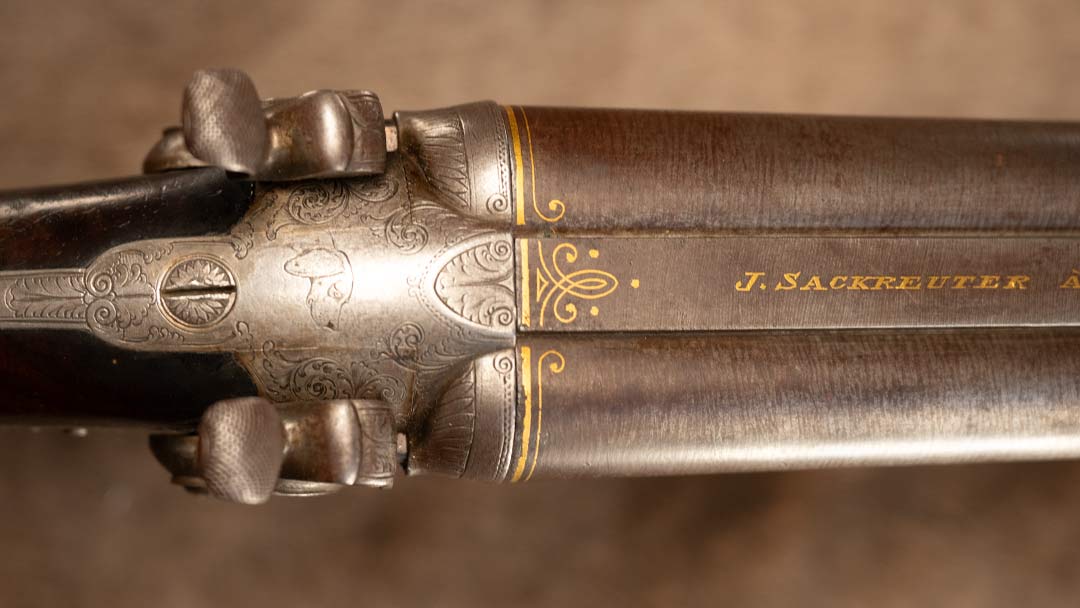
The challenge to the gun makers was finding a way to fire three barrels with two locks and where to locate the third barrel. Innovations like the hammerless boxlock, sidelock and metallic cartridge were important in the development of combination guns but the introduction of breech-loading actions made the drilling possible.
The traditional drilling has two shotgun barrels on top and a rifle barrel below because German hunters leaned toward shotgun hunting in the late 19th century, but trends change.
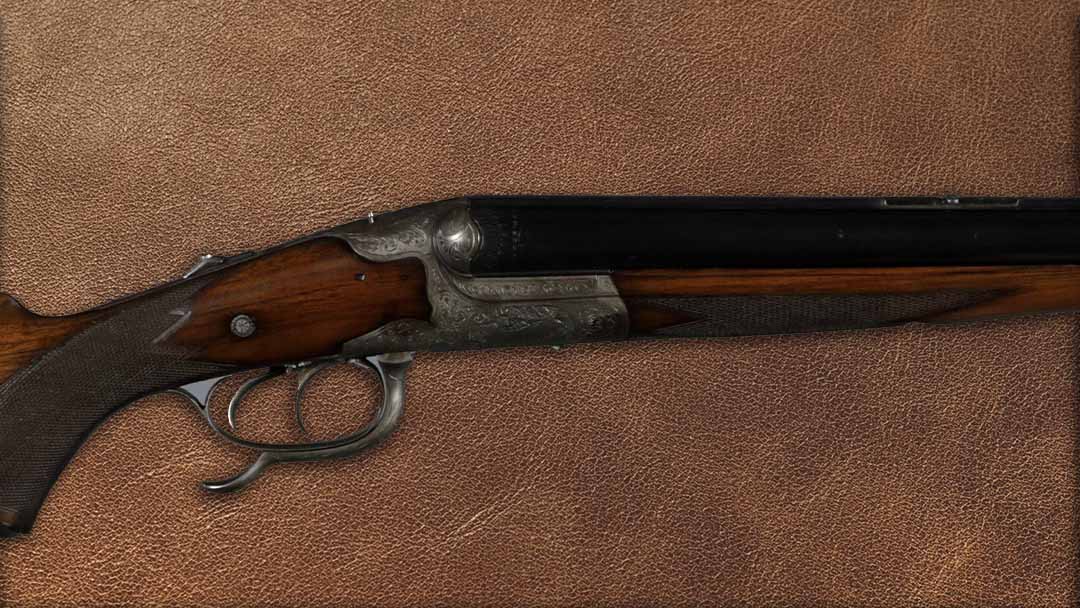
J.P. Sauer & Sohn Drilling
Sauer was a long family line of gun makers in Suhl, a gun manufacturing hub in east central Germany, with the first Sauer gunmaking business registered in 1751. By 1811, Sauer was making military rifles along with hunting and sporting guns. Twenty five years later, Johann Paul Sauer opened his workshop and in 1873, J.P. Sauer and sons is founded. Demand is growing for high-quality hunting rifles by the 1880s when more markets outside of Europe are opening by railroads and steamships. The company’s patents for its drilling won a gold medal at the 1881 World Exhibition.
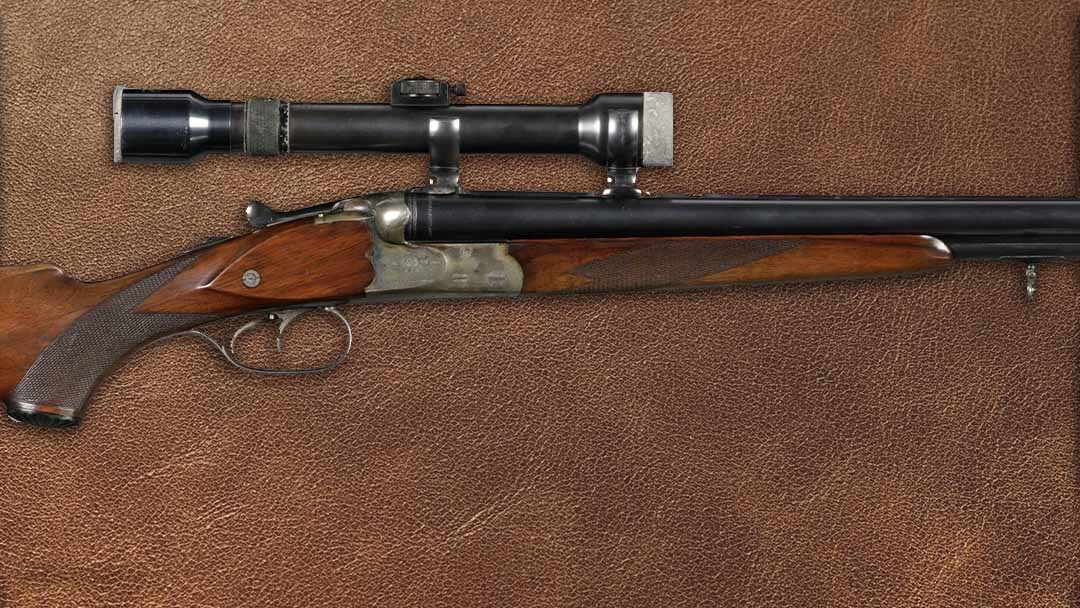
Sauer & Sohn introduced its Drilling Model 30 in 1930, followed by the Model 31 Cape gun in 1931 and the Model 32, a simpler drilling, in 1932. In 1933, with the rise of the National Socialists, Sauer & Sohn received an order for 10,000 Model 98K rifles.
The Luftwaffe Drilling M30 that will be discussed later went into production in 1941. In April 1945, American troops occupied Suhl, and the commander allowed the production of hunting rifles, but when the Soviets took control the equipment was dismantled for use elsewhere and Sauer & Sohn was removed from the commercial register.
The company name was sold by Rolf Sauer for use in West Germany in 1950 and J.P. Sauer & Sohn was reborn in northern Germany in 1951 while East Germany’s VEB Ernst Thalmann Works used the Sauer brand. In 1972, Sauer & Sohn partnered with SIG (Schweizer Industriegesellschaft) to bring that country’s P220 and P230 pistols into production before SIG took over J.P. Sauer & Sohn in the 1980s.
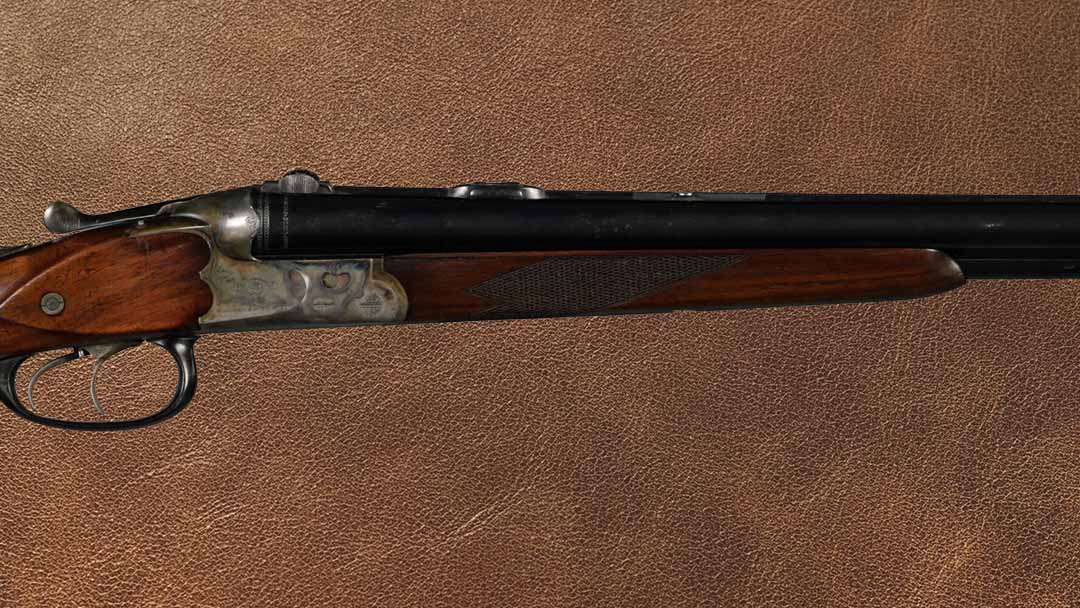
Luftwaffe M30 Drilling
While many countries in World War 2 embraced austerity and high production, the Germans were still allowing some luxuries like equipping Luftwaffe Aces with elegant sporting arms like the M30 drilling. The M30 was intended as a survival gun for pilots flying in North Africa and Sauer & Sohn received a contract for 4,000, bearing the Luftwaffe flying eagle stamped on the barrel and stock of each gun.
Herman Göring, a World War 1 fighter ace and head of the Luftwaffe, was an avid outdoorsman and hunter and so the M30 may not have been routinely issued to Luftwaffe pilots, but ordered through the German air force by Göring to offer as gifts to guests at his hunting lodge, Carinhall, northeast of Berlin in the Schorfheide Forest.
Given that the M30 was of commercial quality and issued in a heavy aluminum case disassembled with a sling, cleaning kit and 20 rounds of 9.3x74mm ammunition, 20 12-gauge slug shells and 25 12-gauge birdshot shells, it didn’t seem like a Spartan survival gun. However, a Luftwaffe general did say the drilling was used for trap shooting by pilots to sharpen their eyes and reflexes.
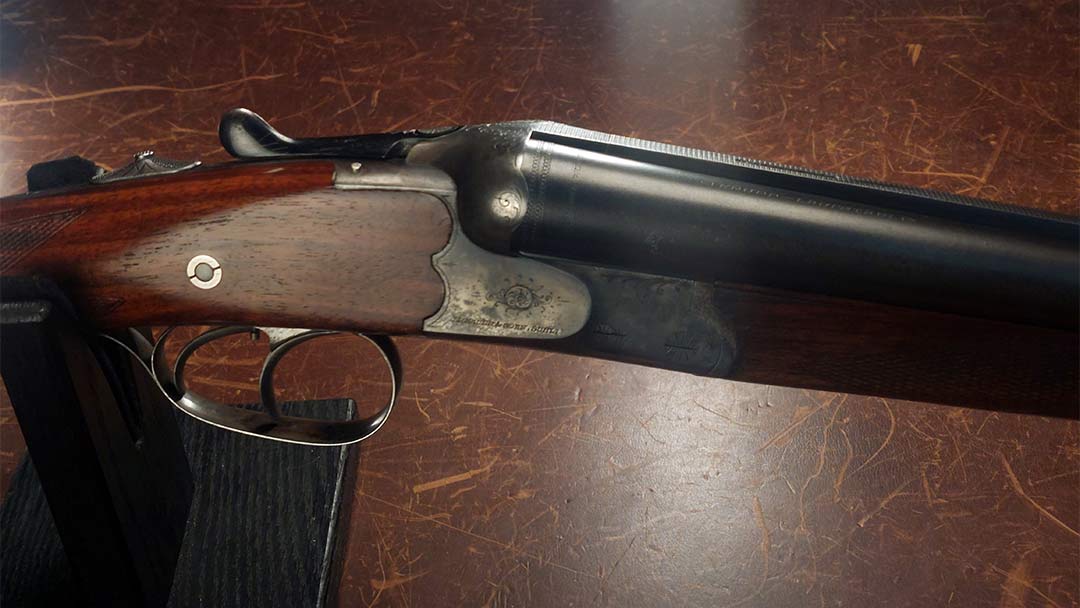
Factory Engraved Otto Seelig Drilling
Based in Weisbaden from the end of the 19th century until World War 2, Seelig was a gun dealer and gun supplier specializing in target rifles whose clients included the Danish royal court. His guns were likely made by other craftsmen while serving as a dealer for gunmakers from Suhl and elsewhere. Guns bearing his name range from well-built workman-like arms to beautiful exhibition grade pieces.
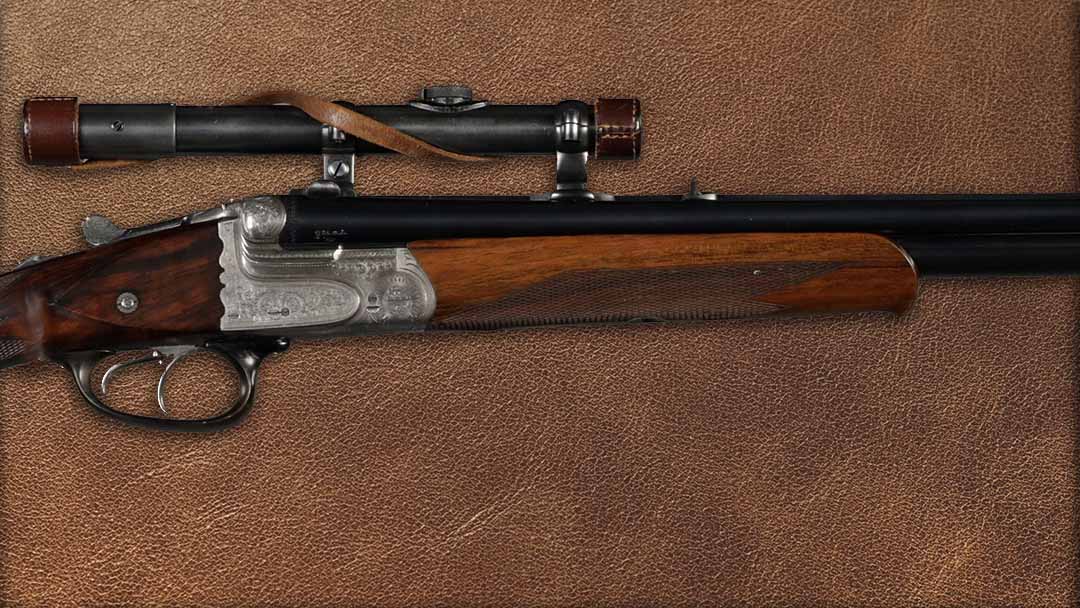
Austrian Drilling
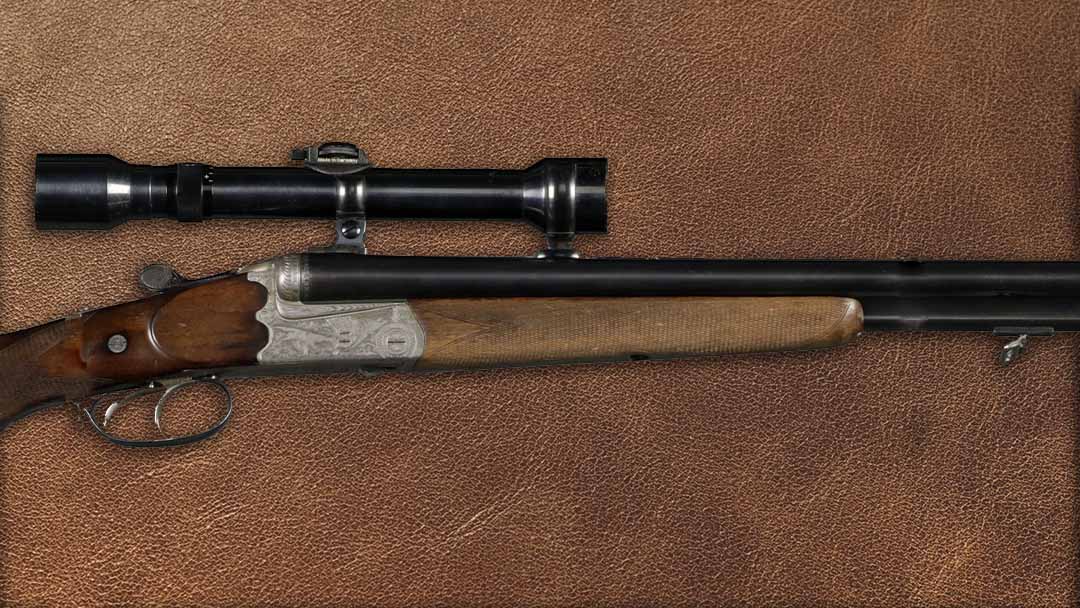
Franz Sodia was a gunmaker who plied his trade in Ferlach, in southern Austria. The region is similar to Suhl with abundant natural resources like iron ore, wood and waterpower for gunmaking. In 1558, Kaiser Ferdinand brought 100 Dutch and Belgian gunsmiths to the region, settling in Ferlach. Sodia arrived in 1910, producing guns from pre-machined parts. His 1914 catalog shows a pinfire side-by-side shotgun, hammer guns and early hammerless guns. After World War 2, the British commander of the occupying forces was a hunter who allowed local gunmakers to make shotguns. Despite expansions, Sodia’s company eventually closed in 1988.
American Drilling
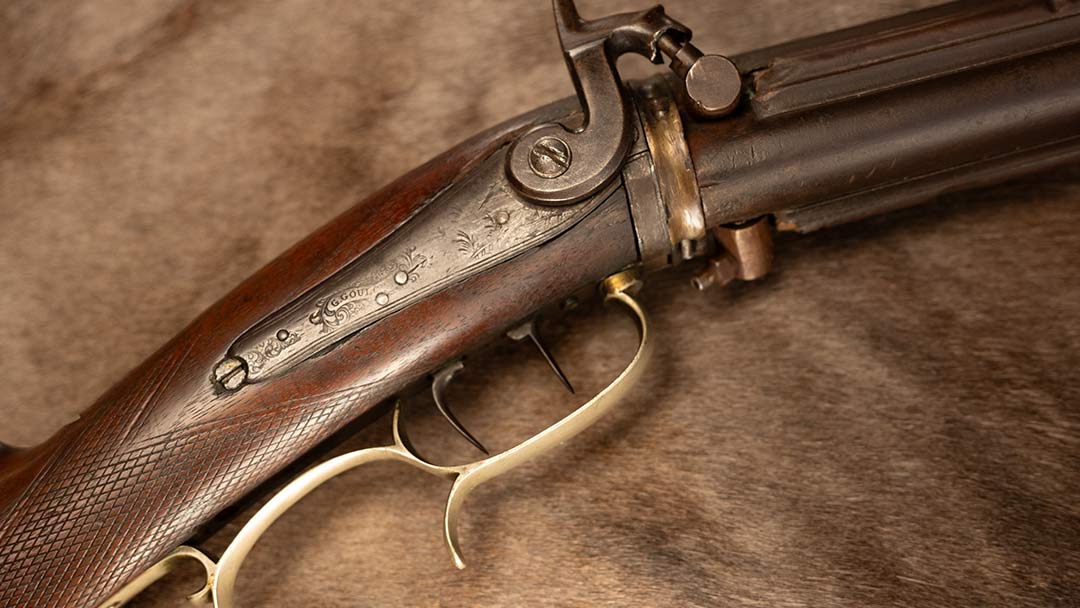
Jacob Harder was a prolific rifle maker from 1840 to 1888, making over/under and multibarrel rifles. He started by serving a six-year apprenticeship to a gunmaker in Binghamton, New York before opening his first shop in Athens, Penn. He was known for his over/under guns that utilized one hammer so that the barrels swiveled. Much of Harder’s career was in Lock Haven, Penn., with eight men working for him during peak production.
Drillings for Sale
The drilling is an unusual gun to solve a pleasant problem: wanting to hunt fowl and larger game on the same trip. These guns are often well made and beautiful but expensive because of the skilled craftsmanship required to make the complex firing systems. Several of these fascinating and traditional German hunting guns are available in Rock Island Auction Company’s Oct. 4-6 Sporting & Collector Auction at the company’s sales venue in Bedford, Texas.