
In 1914’s ‘Life-Histories of African Game Animals,’ Theodore Roosevelt noted that, “With the possible exception of the lion, the elephant is the wisest and most interesting of all the kinds of big game.”
Africa’s “Big Five,” the leopard, lion, Cape buffalo, rhino, and elephant, are some of the most dangerous game on Earth, with the elephant representing perhaps the most terrifying example of a game animal that “runs both ways.” Whether an African hunter is actively stalking elephant or is venturing through their territory, carrying a rifle powerful enough to stop one of these giants is essential.
From the black powder 4 bore to the Nitro Express double rifles developed during Africa’s big game hunting Golden Age, RIAC’s December 6 – 8 Premier Firearms Auction in Bedford, Texas offers some of the finest historic and modern examples of the elephant rifle. Click on the images throughout this article to learn more about each model.
The Early Years of the Elephant Rifle
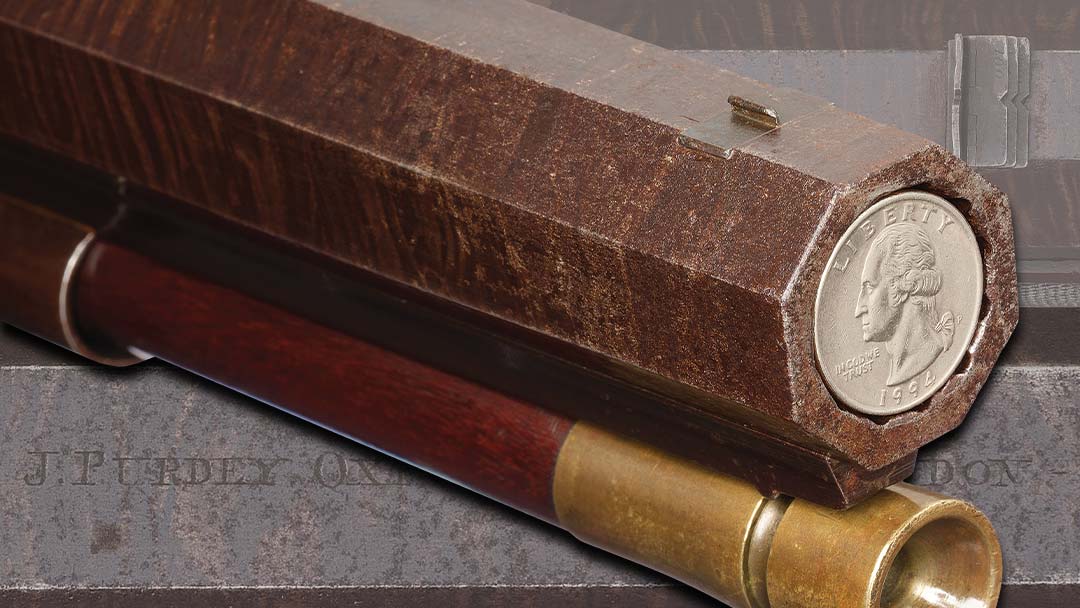
In the mid-1800s, the British colonization of Africa brought a flood of explorers, hunters, and royalty to the continent seeking adventure and riches. The promise of trophies spurred the development of massive black powder elephant rifles capable of tackling the titans of the savanna. Famed British hunter Frederick Selous and many of his contemporaries started their careers using big bore black powder elephant rifles like the exceptional J. Purdey example below.
The evolution of the English double rifle offered hunters a second shot in the event of a miss or if the first shot failed to drop the animal outright. German adventurer and pioneering filmmaker Hans Schomburgk illustrated the importance of carrying a multi shot firearm in his 1907 story for ‘Wide World Magazine’ titled ‘ ‘My Most Exciting Elephant Hunt.’
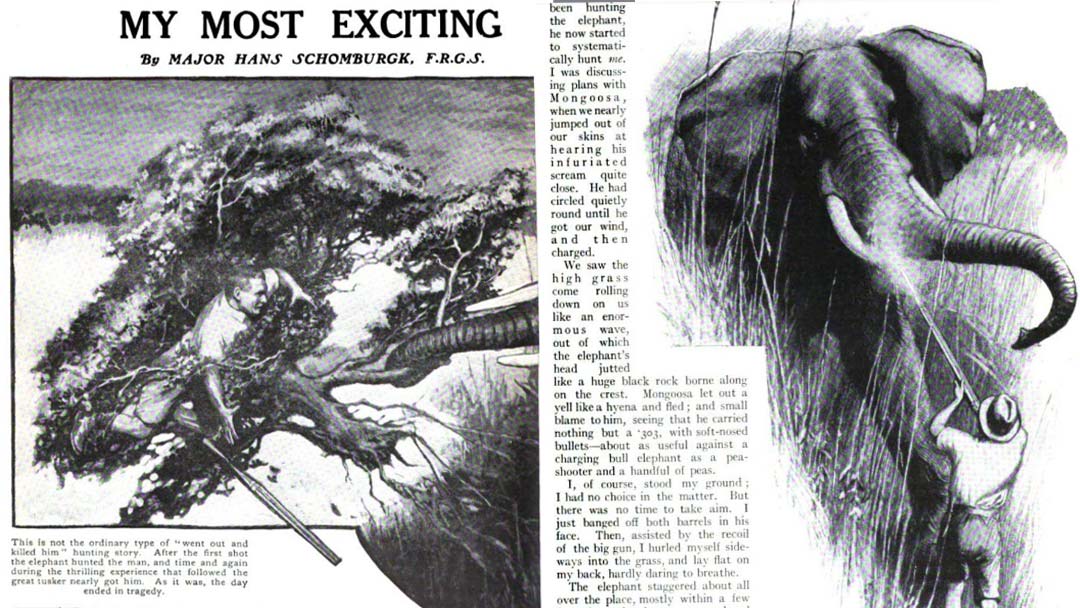
Schomburgk’s close-call occurred near the western shores of Lake Bangweolo, on the upper Congo River basin in Zambia, when the filmmaker’s double rifle suffered a misfire against a charging bull elephant. In a running battle through the sparse canopy and thorny underbrush, Schomburgk would ultimately sink four rounds into the bull before the enraged giant went down for good.
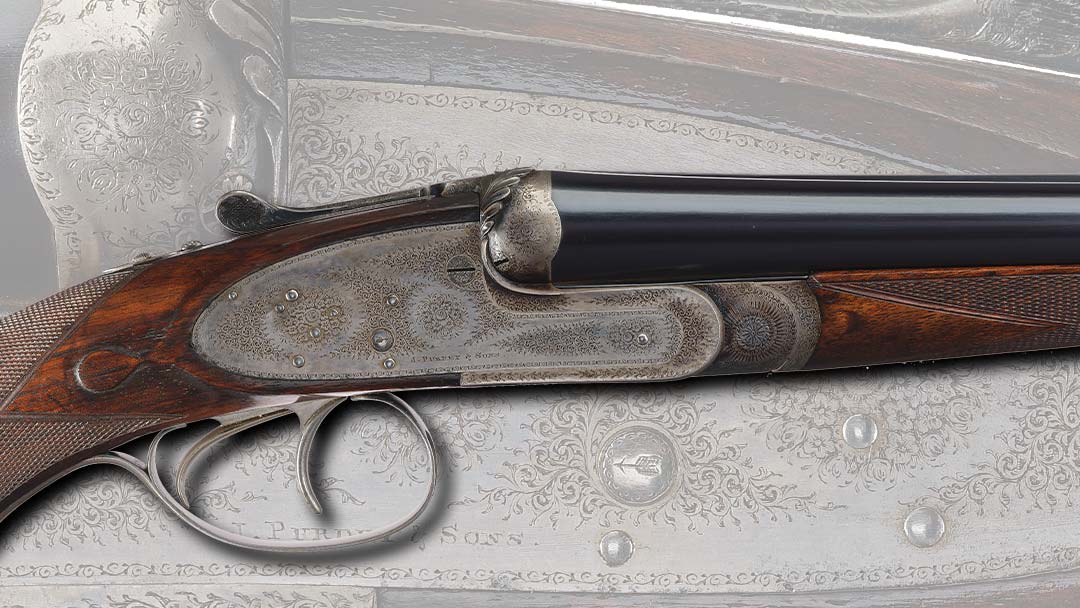
The Nitro Express Elephant Rifle
The introduction of smokeless powder cartridges marked a significant breakthrough for the double rifle, including the. 577 Nitro Express in 1898. An upgrade from its .577 Black Powder Express predecessor, the .577 NE delivered a 750 grain bullet with a muzzle velocity exceeding 2,000 feet per second. Earnest Hemingway joked that .577 NE was “good for rhino, buffalo, and lightly armored vehicles.” Scottish born hunter and soldier James H. Sutherland saw the round as a perfect elephant caliber.
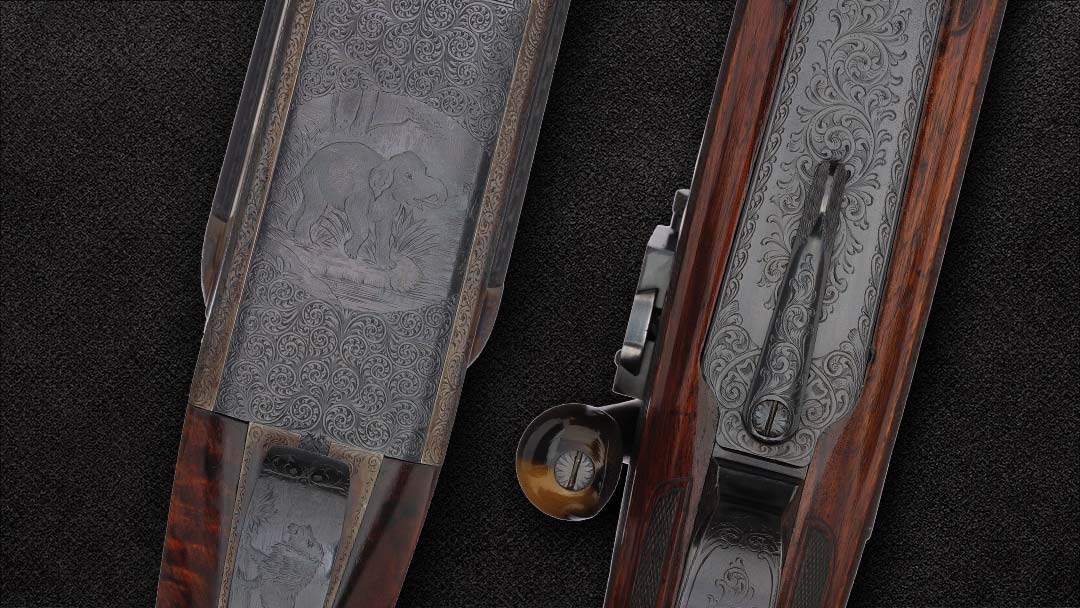
In his 1912 book ‘The Adventures of an Elephant Hunter,’ Sutherland wrote, “After experimenting with and using all kinds of rifles, I find the most effective to be in the double .577 with a 750 grain bullet and a charge in Axite powder equivalent to a hundred grains of cordite. The heavier double-barreled .600 bore rifle, with a bullet weighing 900 grains, lacks the penetration of the .577, while its weight (16 lbs. against 13 lbs. of the latter) renders it a much more awkward weapon to handle. I think the superiority of the .577 over the .50 and .500 rifles will be evident when I state that I have lost elephants with these last two rifles, while I have bagged others with identically the same shots from .577.”
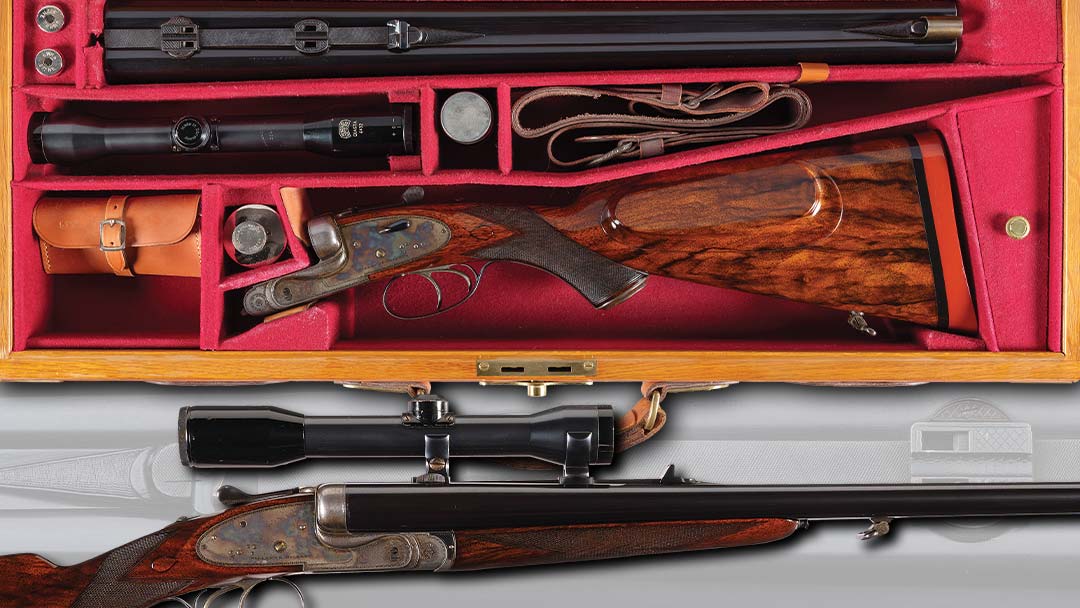
John Rigby & Company’s .450 Nitro Express was another early pioneer of the smokeless era. Author William Steven Rainsford wrote that Frederick Selous was, to his knowledge, “the first man to try a small bore .450 on elephant.” After years of using a 4 bore, Selous suffered shoulder issues and likely welcomed a comparatively more manageable option. Still, the .450 is far from a gentle giant.
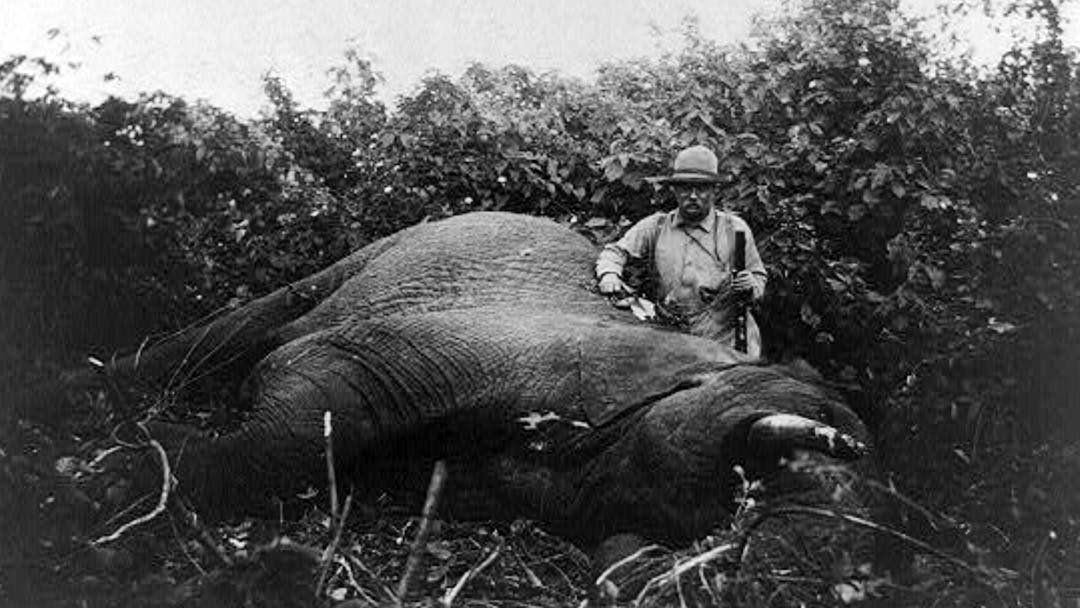
Theodore Roosevelt brought down eight elephants during his 11-month African adventure with the mighty caliber. On his .450 double rifle, nicknamed the ‘Big Stick,’ Roosevelt’s son Kermit noted that “the recoil of the big gun was so severe that it became a standing joke as to whether we did not fear it more than a charging elephant!”
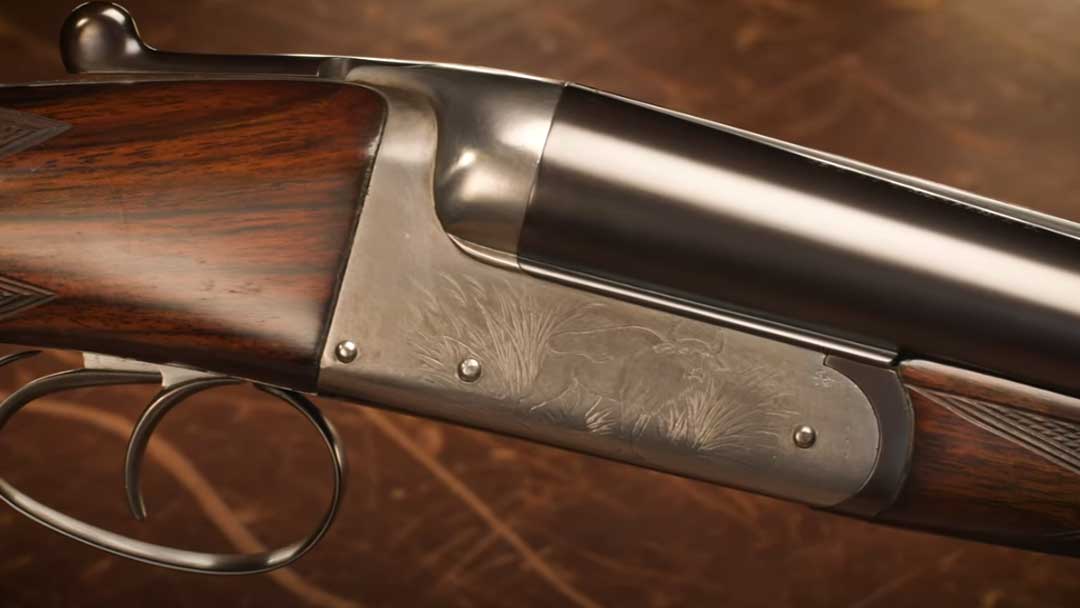
The .450 NE laid the groundwork for Holland’s .500/450 Nitro Express and numerous variants of Joseph Lang’s .470 Nitro Express in the years to follow. Robert Ruark, Peter Capstick, Harry Selby, and other famed 20th century hunters carried a .470 as their elephant rifle.
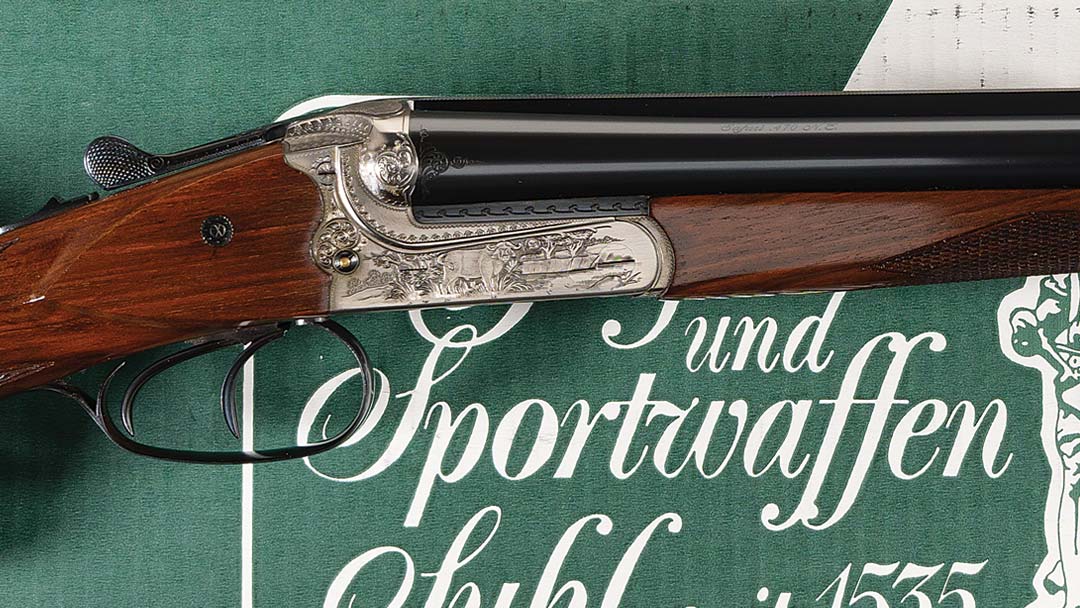
American born hunter and author Peter Hathaway Capstick was particularly fond of the .470 Nitro Express, referencing the round frequently in his 1977 work, ‘Death in the Long Grass.’ Of all the dangerous game he hunted across the savannas and bushveld of East and Southern Africa, Capstick considered elephants the most deadly, noting the number of “lonely little rock-piled bush graves” he’d encountered “with inscriptions stating simply that the occupant was guilty of indiscretion with jumbo.”
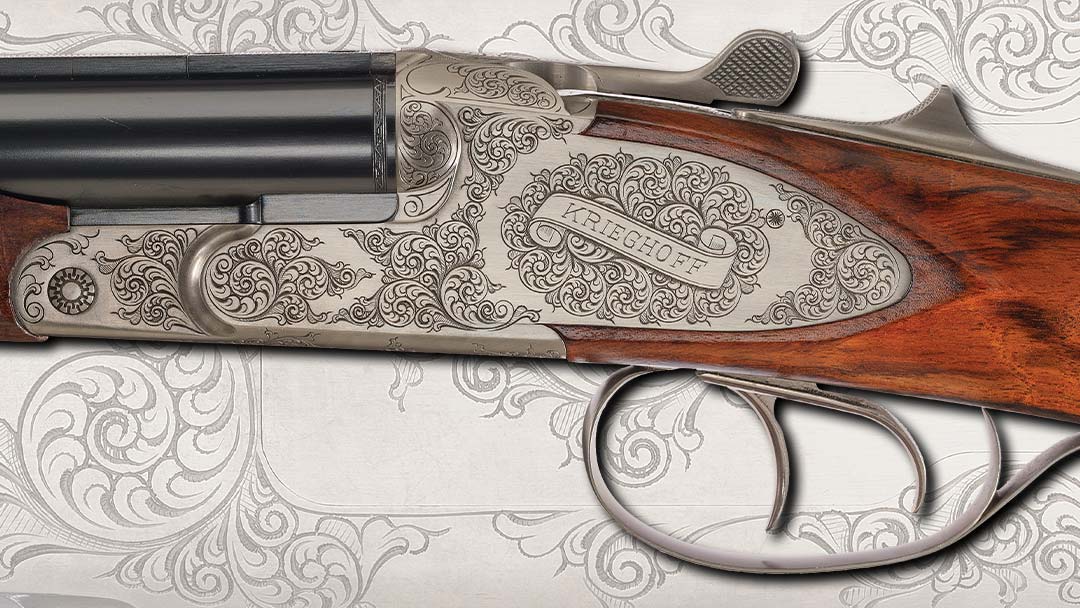
The .475 Nitro Express was another popular elephant rifle round. In the January 1928 publication of ‘The American Rifleman’, an article titled ‘Elephant Rifles’ by W.M. Garlington discusses firing the .475 NE, a 500-grain, bullet with “up to 2,100 pounds of muzzle velocity” and “5,000 pounds of muzzle energy.”
When firing the hefty cartridge, the author describes the muzzle blast and concussion as more jarring than the recoil itself, though notes that when facing elephants, “The excitement caused by the presence of such dangerous brutes, and the concentration of the facilities on the business at hand entirely diverts the attention from these two disturbing elements.”
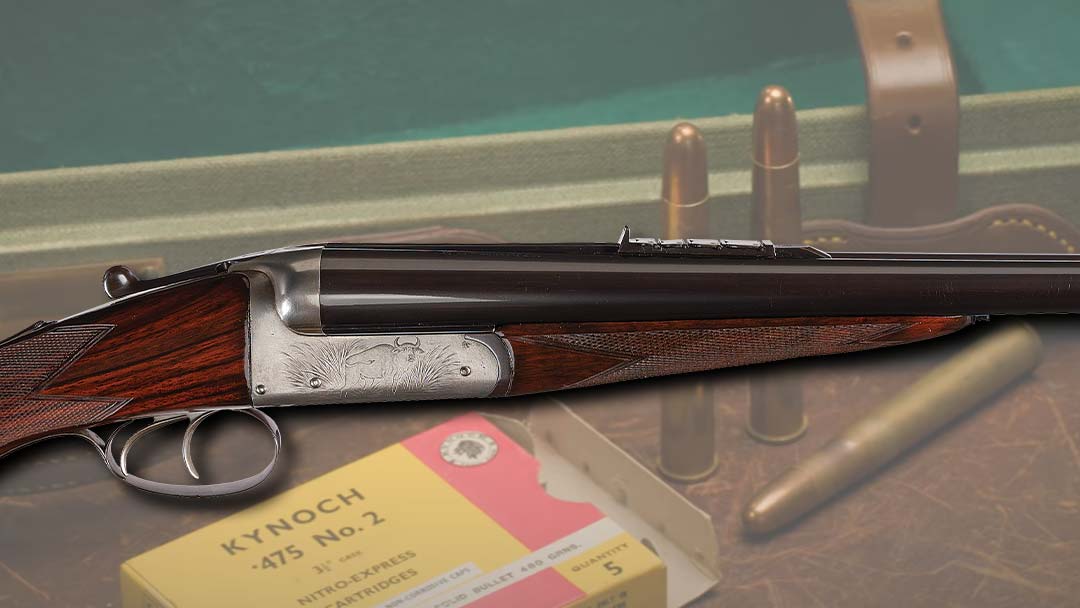
The .375 Holland & Holland Magnum became another popular elephant rifle round. Dubbed the “Queen of the Medium Bores” by writer and outdoorsman Jack O’Connor, .375 H&H offers a powerful, dependable hunting option with comparatively manageable recoil. Today, .375 H&H is the minimum recommended cartridge for most dangerous game in many African countries.
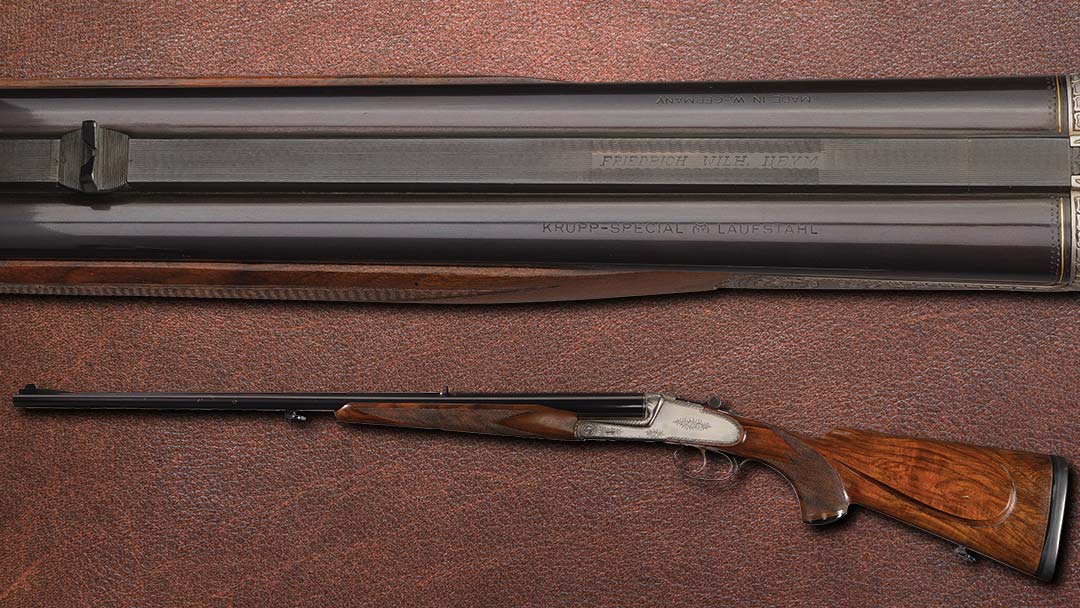
Prolific African hunter John “Pondoro” Taylor gave the .375 H&H Magnum a glowing review, writing, “I’ve had five of these rifles—two doubles and three magazines—and have fired more than 5,000 rounds of .375 Magnum ammunition at game. One of them accounted for more than 100 elephant and some 411 buffalo, besides rhino, lions and lesser game.”
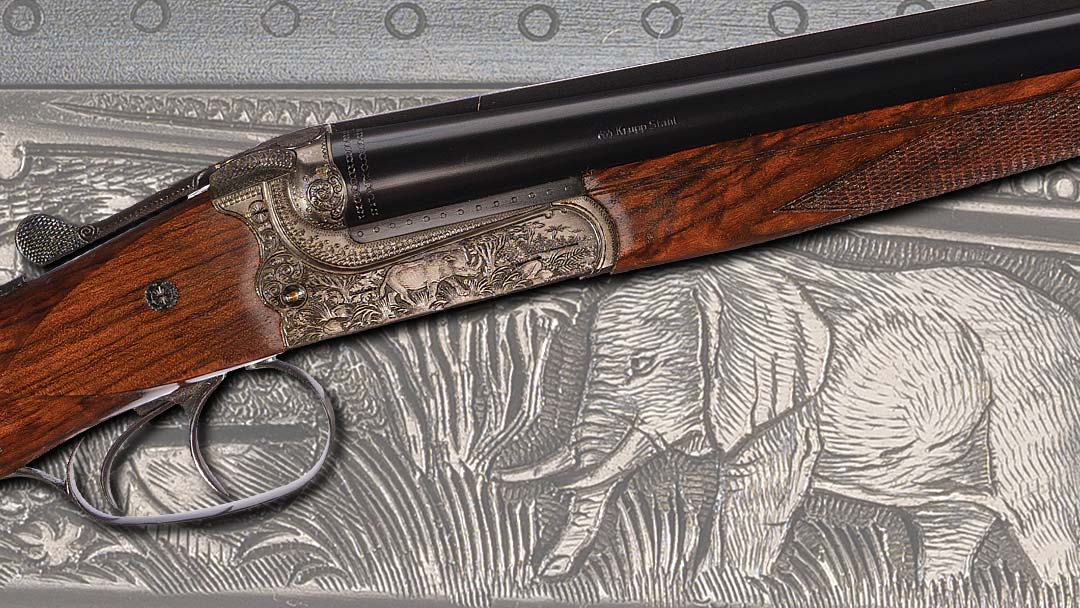
The Bolt Action Elephant Rifle
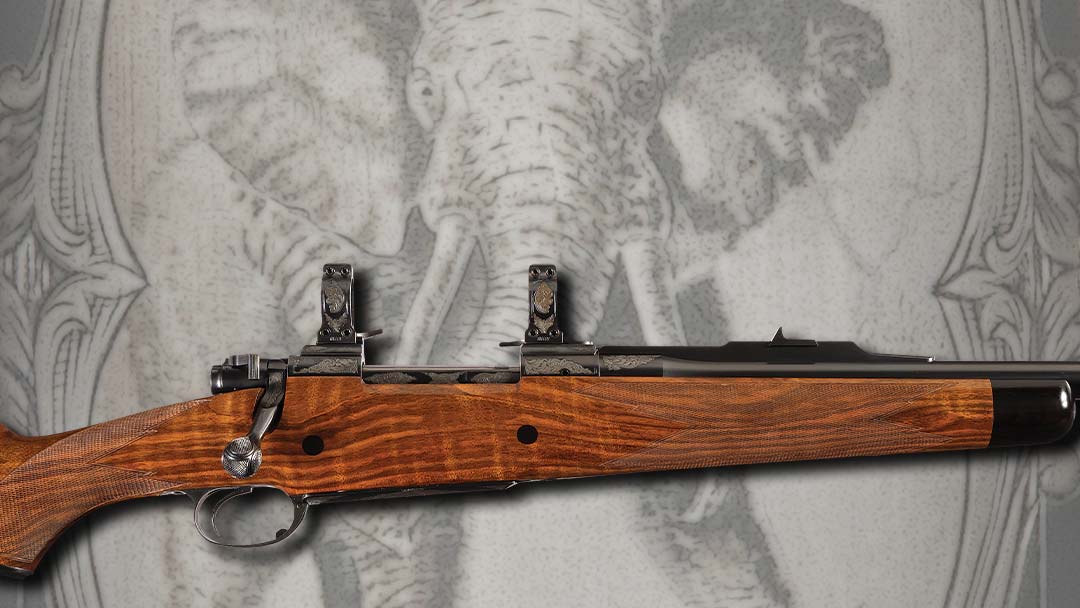
The early 20th century also saw the bolt action rifle making its mark in African hunting circles, serving as a more affordable alternative to the double rifle. With new big game cartridges developed for the platform, the bolt action offered reliable stopping power, extended range, greater capacity, and durability.
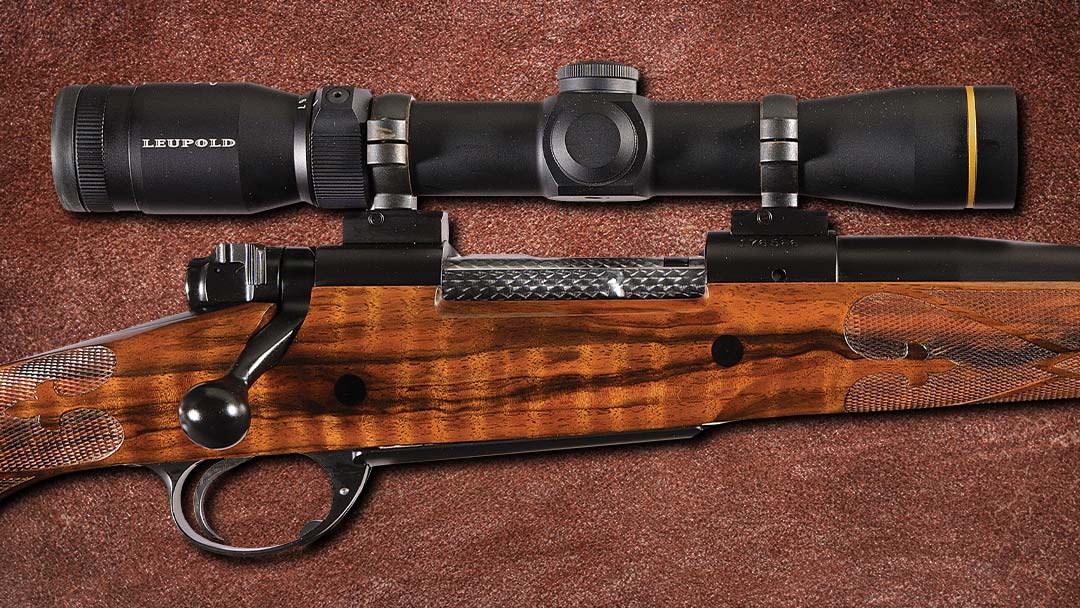
Elephant hunter Karamojo Bell favored more modest cartridges like the 6.5×54 Mannlicher Schoenauer and .276 Rigby, but not all hunters possessed the experience or shot placement needed to bring down elephants with these rounds. William Steven Rainsford warned of greenhorns plastering their prey with twenty or more bullets, writing, “Accidents keep happening because anyone who can borrow a gun and take out a license fancies himself capable of elephant hunting, taking little notice of wind or cover as they do.”
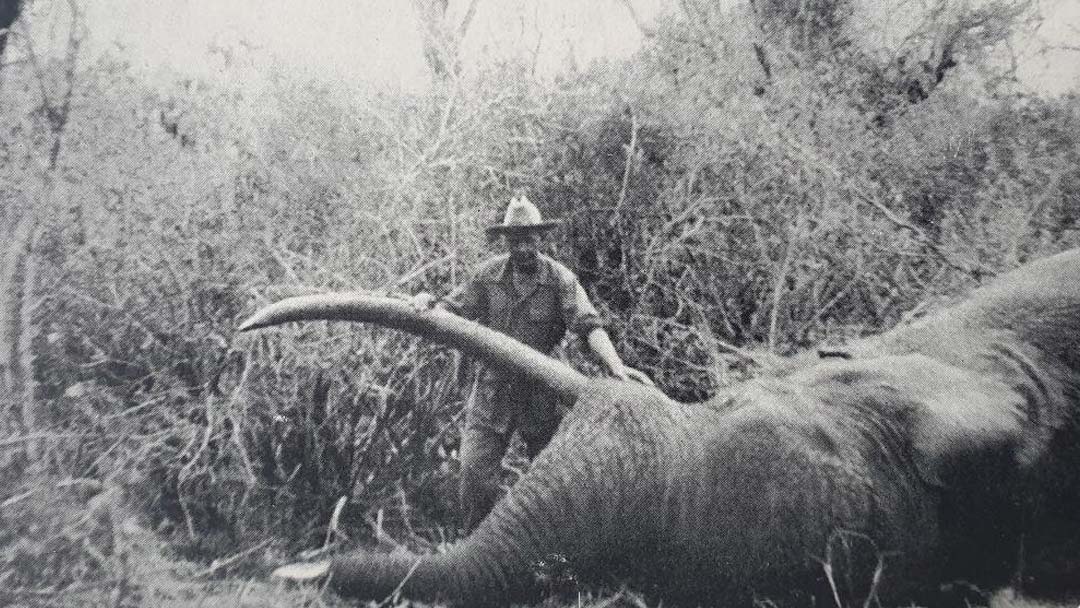
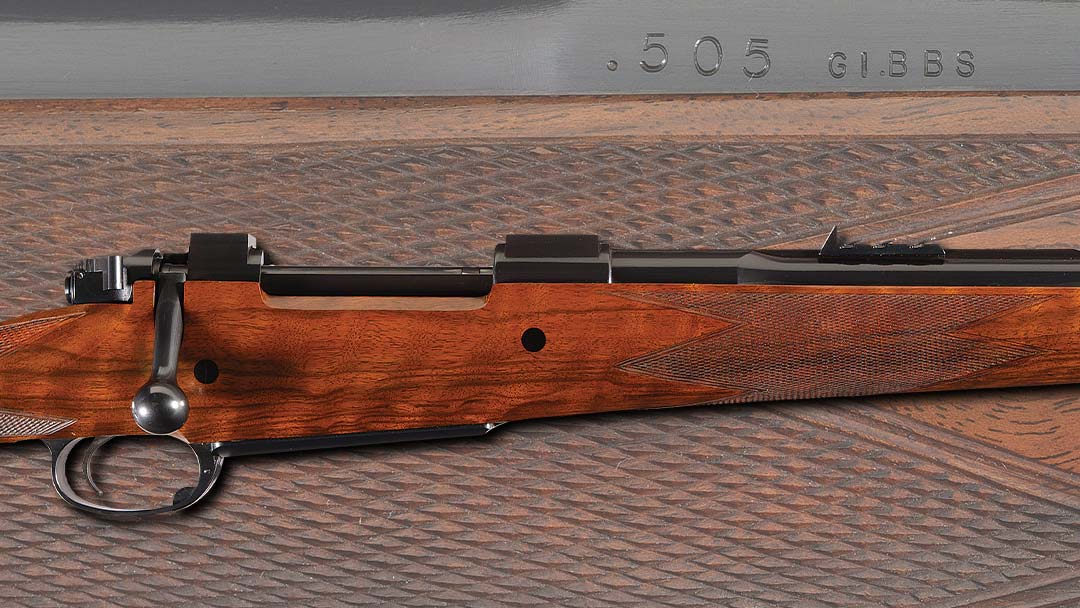
Developed in 1911, heavyweight rounds like the .505 Gibbs were embraced by professionals like Sir Samuel Baker, John A. Hunter, and Bror Blixen. In Hemingway’s short story, ‘The Short Happy Life of Francis Macomber,’ the English guide Robert Wilson carries a rifle chambered in the sturdy round. Wilson considers the .505 Gibbs ideal for taking “an elephant, a rhino, or a really big male lion” and muses, “if the .505 were any larger, you would have to call it a cannon. It is simply the most powerful game rifle there is.”
The .404 Jeffery hit the market in 1905 and became one of hunter’s Kai-Uwe Denker’s most favored elephant rifle rounds. As mentioned, shot placement was vital when taking Africa’s largest game with such a caliber. In ‘The Land of the Lion,’ William Steven Rainsford advised hunters to aim, “Full in the middle between the tusks the ball must strike, in order to kill, and there must be behind it the driving power of a good charge.” Rainsford also recommended “The shoulder, or just behind the kink of his big foreleg is the easiest mark and quite deadly enough. There lies the great heart, quite as big as a large water bucket, and any man who keeps his wits about him, and fires from broadside, can hit it.”
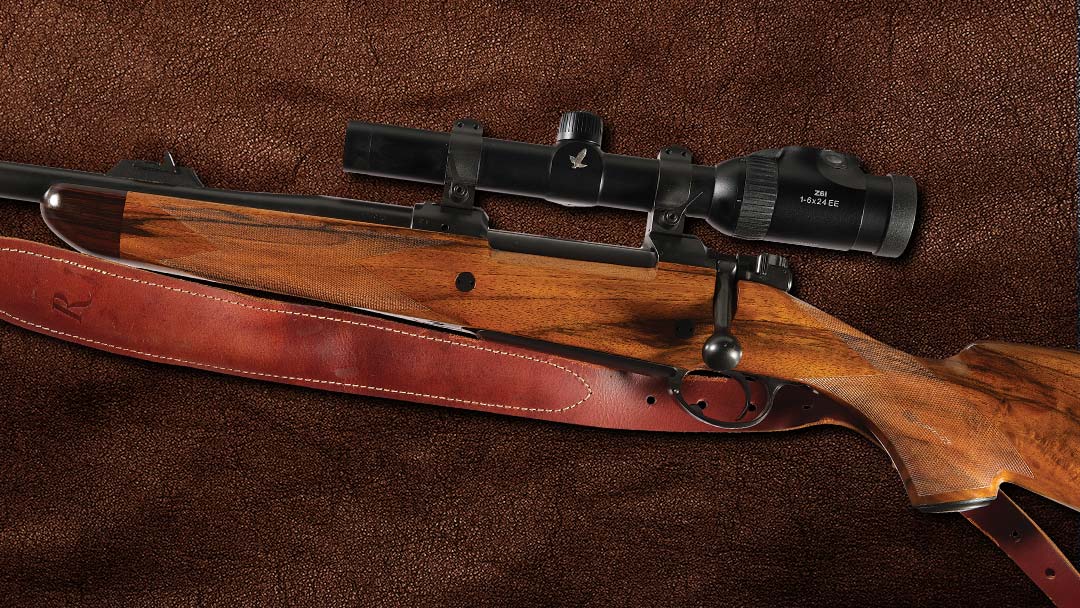
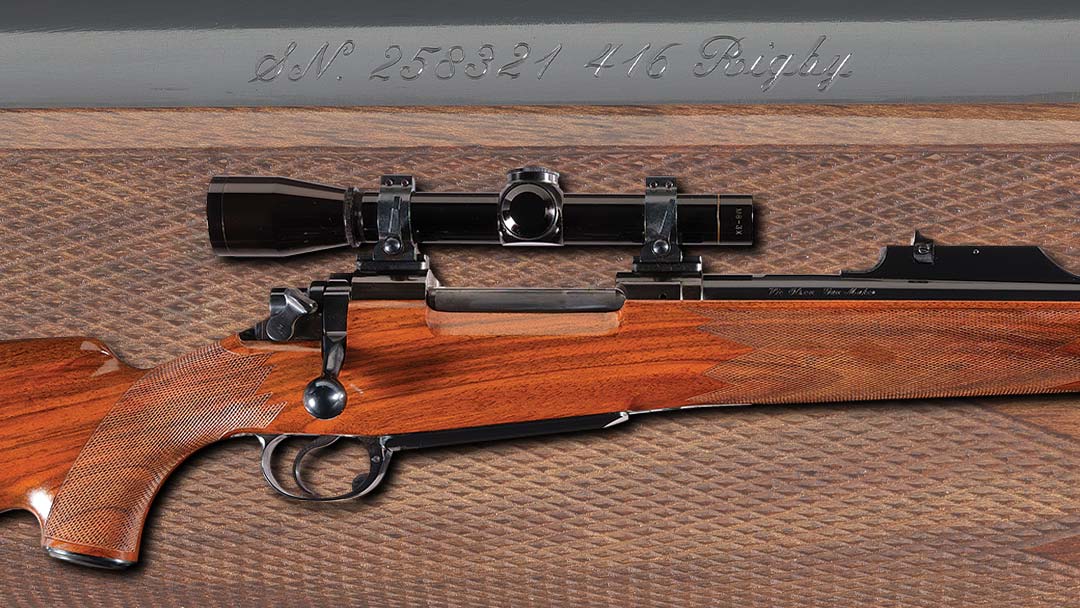
Introduced in 1911, the .416 Rigby fell under the radar for decades. The cartridge found new life in the 1950s thanks to Robert Ruark’s ‘Horn of the Hunter’, which relays the safari the author undertook with the famous guide Harry Selby. When a safari rig ran over the barrels of Selby’s double rifle, the hunter began using a bolt action chambered in .416 Rigby. As Selby recounted, “After using the .416 Rigby on two safaris, I never looked back on my rifle preference — I had no intention of returning to a double gun.”
The Elephant Rifle Today
By mid-century, South Africa’s elephant numbers had dwindled due to sustained hunting pressure. Conservation measures introduced in the 1970s helped reverse declining wildlife populations and sparked a steady revival in Africa’s hunting industry. Many legendary hunters were also committed conservationists, and their writings continue to inspire efforts to protect the continent’s wildlife and landscapes for future generations.
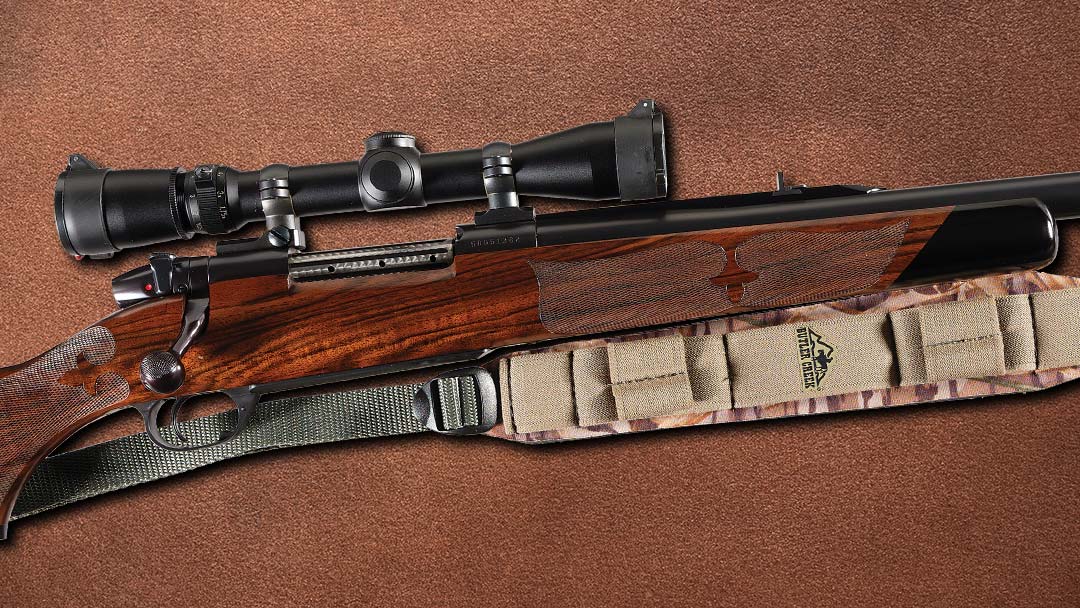
Today’s elephant rifles can be found chambered in everything from the comparatively modest .375 Holland & Holland to the imposing 4 bore and 2 bore. Renowned European gunmakers remain dedicated to the double rifle, incorporating modern materials and construction methods to merge old-world craftsmanship with contemporary sensibilities.
Whether double rifle or a bolt action, a sporting arm can last generations if properly cared for, and hunters who dream of fielding a hand-crafted classic can find some of the most exceptional masterworks from decades past at Rock Island Auction Company.
Elephant Guns for Sale and More
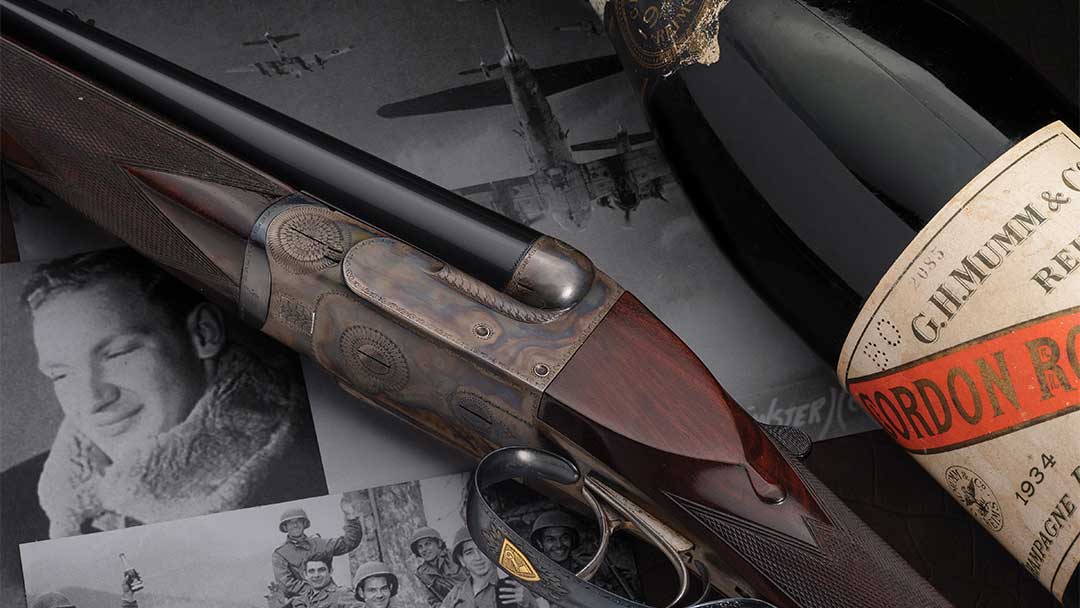
As Peter Hathaway Capstick observed, “The problem of elephant control has long been handled by a good man with a big rifle.” Whether hunting the 7-ton giants of Botswana or the mighty cape buffalo of Tanzania, carrying a big stopper in a time-tested cartridge can make all the difference. For collectors, shooters, arms enthusiasts, and sportsmen with the grit to confront the world’s most dangerous game, Rock Island Auction offers a fine range of heavy hitting double rifles and bolt actions from every era.
To receive more gun blogs and gun videos on legendary hunting arms, subscribe to the Rock Island Auction newsletter, where we cover topics ranging from flintlock rifle hunting, single shot icons like the Hawken rifle, the Sharps, the Trapdoor, the Ruger No. 1, and Browning’s 1885, lever gun classics like the Winchester 1886 and 1894, and the Marlin Model 1894 and Model 39, the evolution of the 10 gauge shotgun, 16 gauge, and the 28 gauge, the invention of the .357 and the rise of handgun hunting, the history of the survival gun, the combination gun, the drilling, the paradox gun, the punt gun, and more.