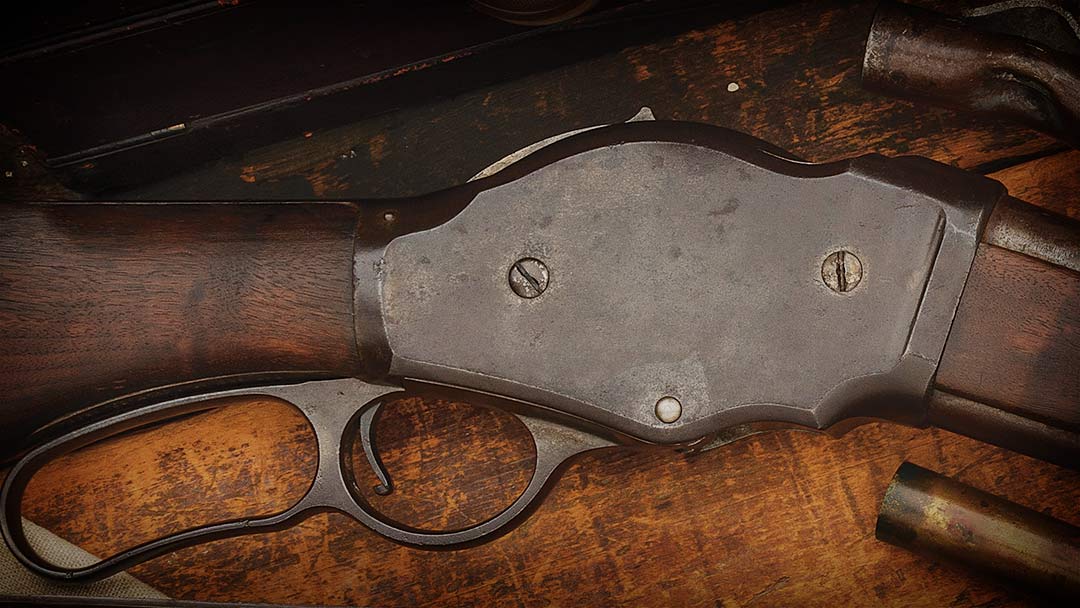
20 years after the founding of Winchester Repeating Arms Company, the Connecticut gunmaker released its most impressive rifle yet. The Winchester Model 1886 set the standard for large caliber lever guns and offered hunters and frontiersmen enough firepower to take on the most dangerous North American game.
Rock Island Auction Company’s October 4 -6 Sporting & Collector Auction in Bedford, Texas features some of the finest antique and curio Winchesters, including a handsome range of Winchester Model 1886 rifles and carbines. Click on the images throughout this article to learn more about this impressive platform and its frontier contemporaries.
Road to the Big Game Repeater
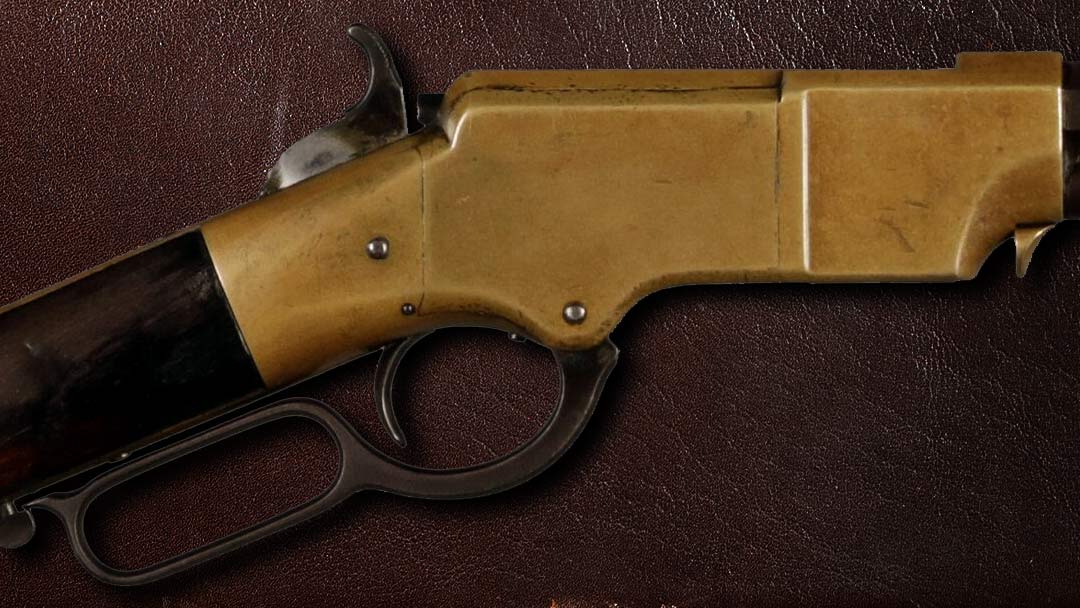
Patented in 1860, the Henry rifle was designed around a low-powered .44 caliber rimfire cartridge. The Henry’s successor, the Winchester Model 1866, continued to chamber this modest round, but the metallic cartridge was rapidly evolving.
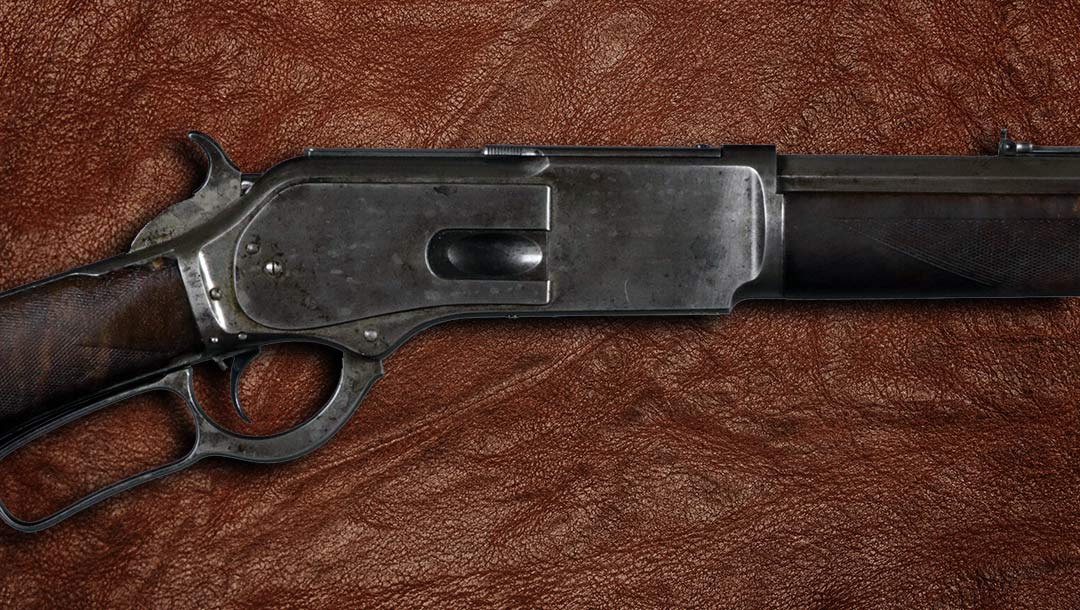
Winchester’s Model 1873 offered a significant upgrade with its iron frame, stronger action, and ability to chamber the new .44-40 Winchester Centerfire round. The popular model, later dubbed “the gun that won the West,” was a fine firearm, but its pistol-sized cartridges weren’t equipped to bring down large game like big bore single shot rifles such as the Sharps, Remington rolling block, and Springfield Trapdoor platforms.
Winchester’s next model, the 1876, was a scaled-up version of its predecessor. Like the Model 1873 and its earlier iterations, the Winchester 1876 used a toggle-link lockup. Its receiver was larger and stronger, allowing the model to handle rifle cartridges like .45-75 WCF and .50-95 Express, but the gun was still unable to chamber the wildly popular 45-70 Govt round.
Marlin Fire Arms Co. entered the market in 1881 with the first true big game lever action rifle. Originally introduced in .45-70 Govt. and .40-60 chamberings, dealers out West advertised the Marlin Model 1881 as “the Buffalo gun.” This market niche would elude Winchester until they discovered a young gunmaker from Ogden, Utah with experience in big bore rifles.
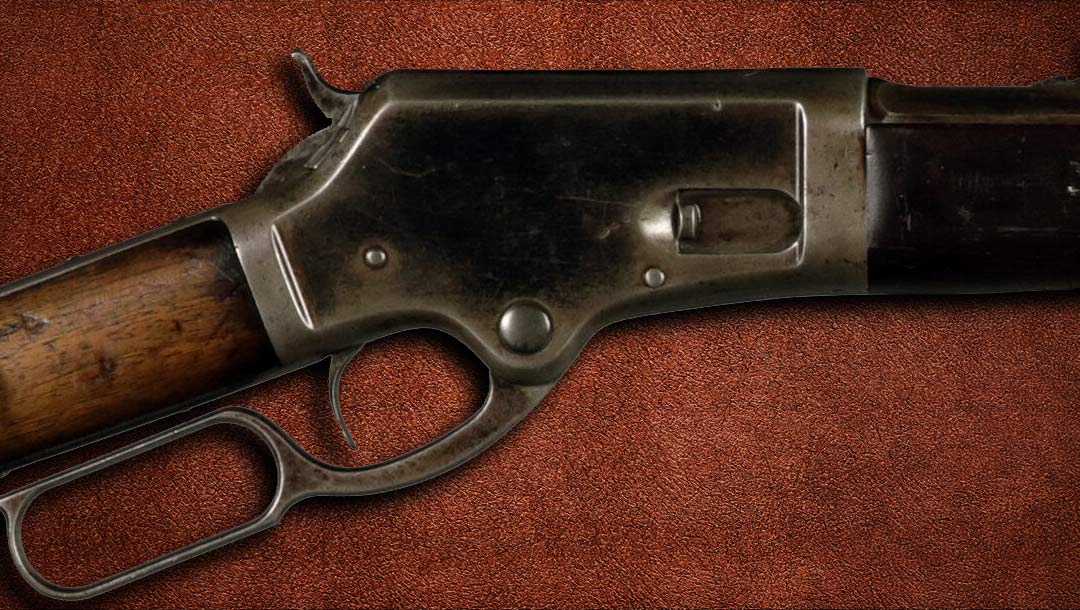
John Browning and the Winchester Model 1886
In 1883, Winchester’s Vice President and General Manager Thomas G. Bennett visited John Moses Browning in Ogden and negotiated a deal that led to Winchester purchasing the rights to manufacture Browning’s single shot rifle patent. Browning had also been working on a concept for a big bore lever gun, which Bennett followed with great interest.
Browning patented the design on October 14, 1884, then traveled to New Haven, Connecticut to demonstrate a prototype of his new lever rifle to Mr. Bennett. The exact price Bennett offered Browning for the patent is uncertain, but John Browning once stated that Winchester paid him “more money than there was in Ogden at the time.”
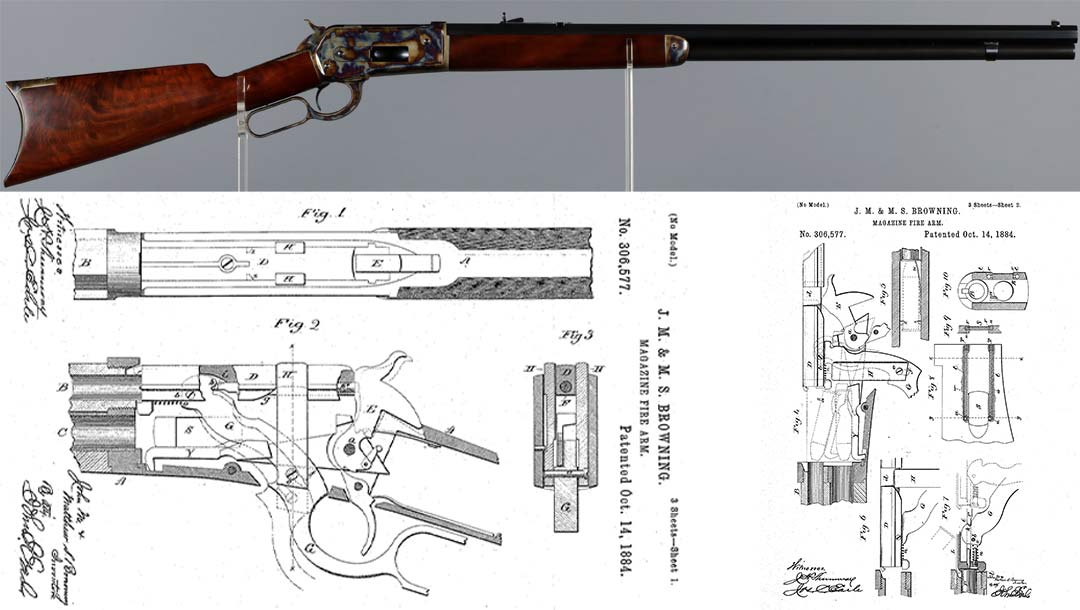
Browning’s prototype would be refined by Winchester designers, including former Colt Superintendent William Mason. The toggle-link system employed by earlier Winchester models was both too weak to chamber the largest rifle cartridges and also physically constrained by geometry. The Winchester 1876 already weighed more than nine pounds, so scaling the design up further would have been impractical.
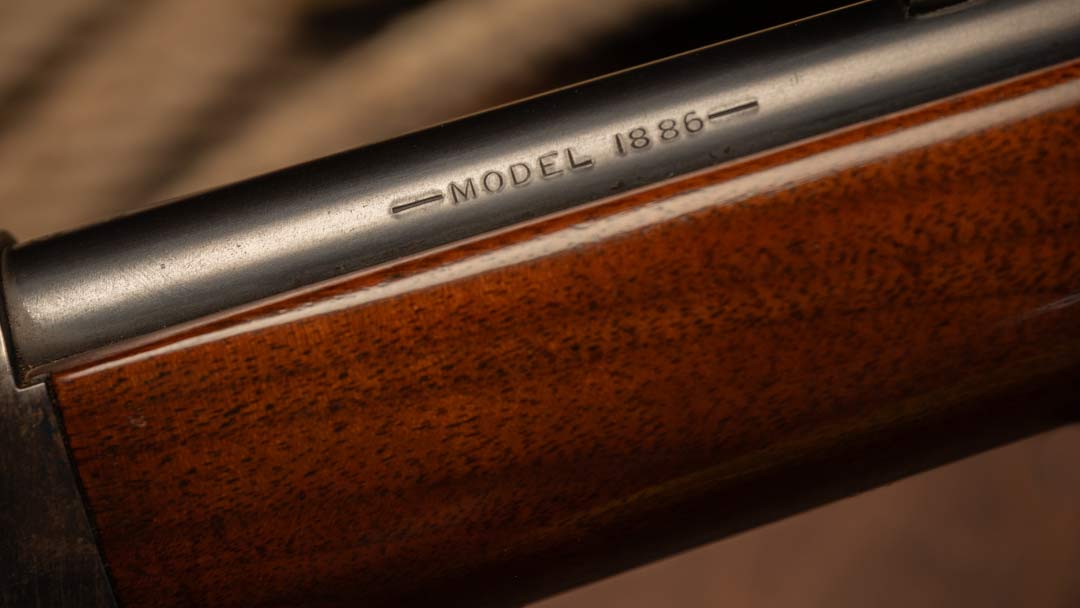
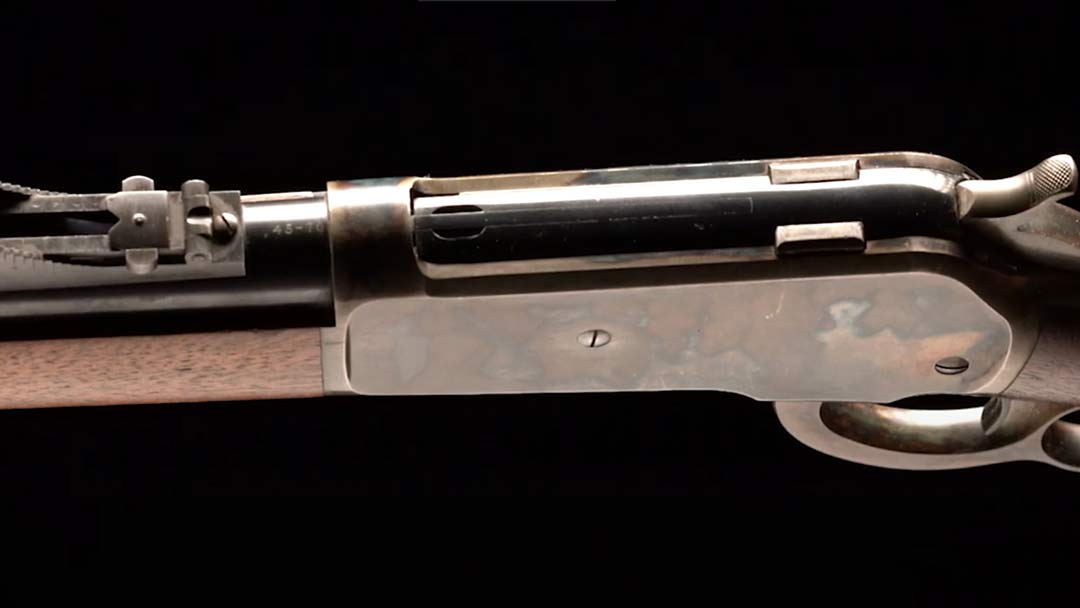
The Model 1886 needed to be long enough and sturdy enough to handle the .45-70 Govt. yet light enough for a hunter to field afoot. Browning’s design, inspired by the success of the falling block system found on many single shot breechloaders, employed dual vertically sliding locking lugs to seal the breech bolt against the chamber. This allowed for a powerful rifle with a shorter, streamlined frame. Winchester describes the design in their 1886 catalog as follows:
“The gun is locked by two bolts, having a motion like the old Sharp’s breech block, which show on the top of the gun when it is closed. In this position the locking bolts lie one on each side of the breech bolt, each fitting into its slot in the frame on the one side, and into a similar slot in the breech bolt on the other.”
Birth of the Winchester Model 1886
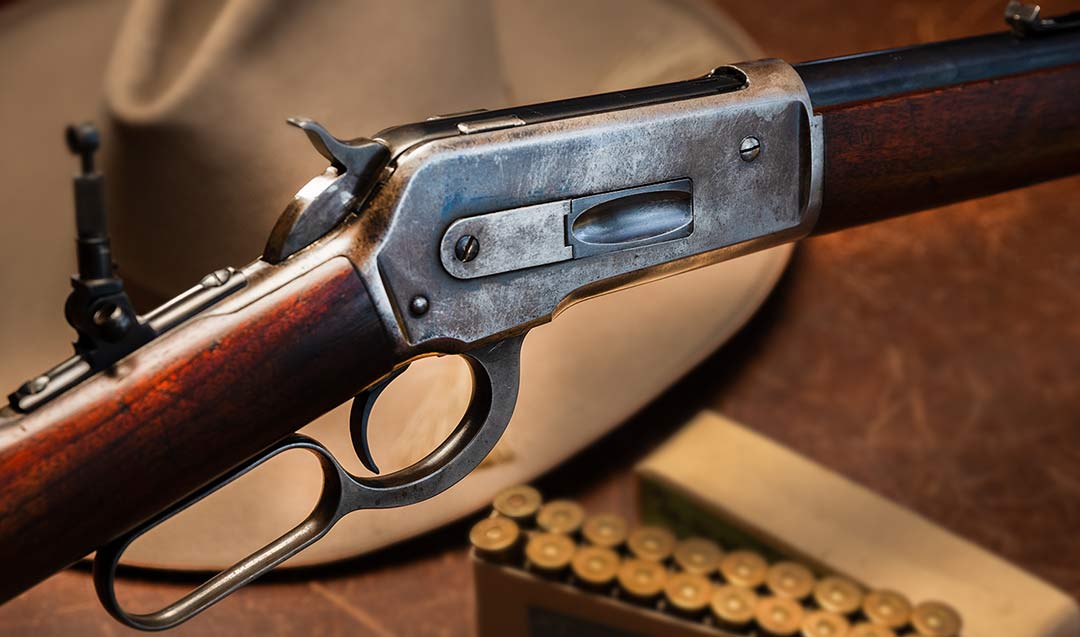
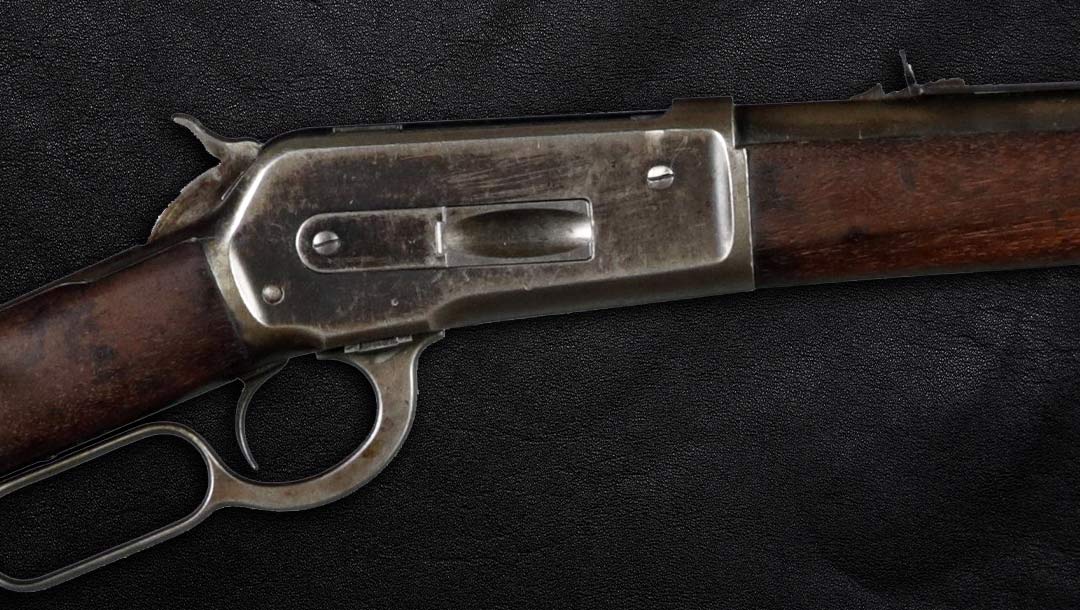
The Winchester 1886 was a top-eject lever gun with a smooth, powerful action. Distinct outward characteristics included a full oval loading gate and a solid frame that lacked a side plate, elevator, and dust cover.
“The New Winchester Model of 1886” appeared frequently in ads across the country by November and December. In late 1886, W.F. Sheard, a sporting goods dealer in Livingston, Montana, was advertising round barrel Winchester 1886 rifles for $20. The Winchester Model 1873 and Model 1876 were offered for $14 and $15 dollars, while the Marlin Model 1881 was sold at a comparable price point to the Winchester 1886.
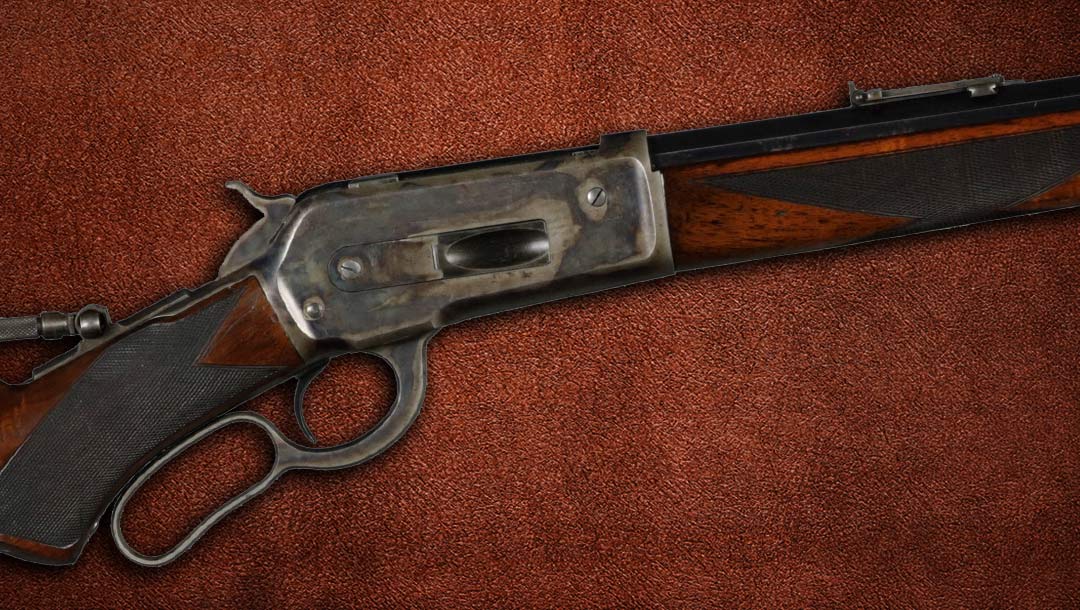
Serial number 1 of Winchester’s new model was presented to Captain Henry Ware Lawton in September of 1886 by Lieutenant George Emerson Albee, a Civil War veteran, exhibition shooter, and designer for Winchester. Lawton had played a key role in capturing Geronimo, and Albee’s connection to Winchester almost certainly helped him obtain the first production Winchester Model 1886 rifle. Not surprisingly, this iconic Winchester is one of the most expensive guns to ever sell at auction.
Winchester 1886 Variants
Like other Winchester lever guns, the Model 1886 was offered in a wealth of styles, including options for special stocks, grips, sights, triggers, and fancy features like inscription, engraving, checkering, and nickel, silver, or gold finish. The costly add-ons were comparatively rare for the model, which was widely viewed as an everyman’s working gun.
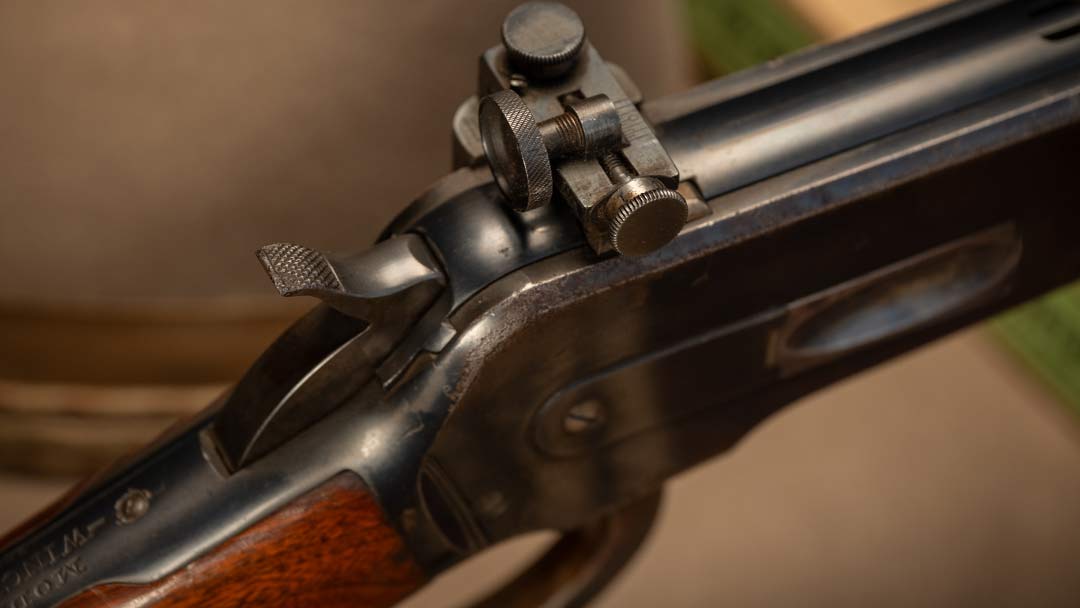
Early Winchester Model 1886 models featured a standard 22 inch barrel length for the carbine, 26 inches for the rifle, and 30 inches for the extremely rare musket variant. Takedown models were offered in half and full-length tube magazines. A round barrel was standard across all variants, with an octagon barrel selling at a premium.
The Winchester Model 1886 was sold in rifle, carbine and musket configurations. The musket was made in smaller numbers than any other Winchester 1886 variation with just over 350 produced. Featuring a steel block front sight that served as a mount for a socket bayonet and a military style folding leaf rear sight, most of these rare Winchester 1886 muskets were manufactured for export.
The Winchester 1886 and 45-70
The Winchester 1886 had been specifically designed for its ability to chamber large cartridges like the .45-70 Govt. This selling point was heavily pushed in early advertising. In the company’s 1886 catalog, the first line reads: “This Gun is adapted to the 45-75 Government Cartridges with 405 or 500 grain bullet, and to 45-90-300 or 40-82-260 Cartridges especially made for it.”
.45-70 Govt. was effective, plentiful, and reasonably affordable. The previously mentioned Montana sporting goods retailer, W.F. Sheard, was advertising .45-70 Govt. for $2.75 per box of 100 rounds, equivalent to .92 cents a round in today’s dollars.
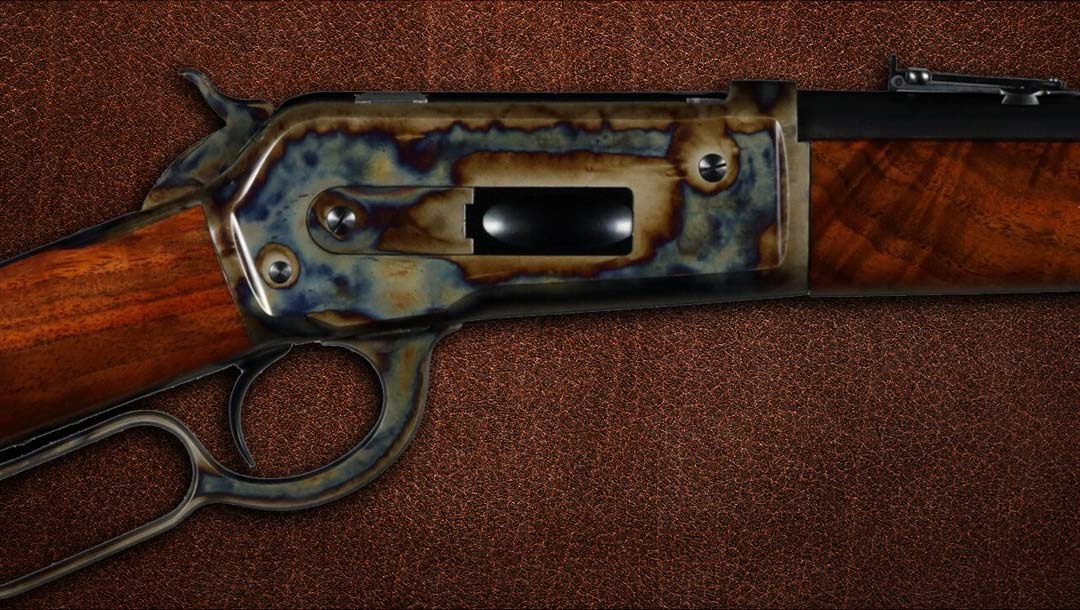
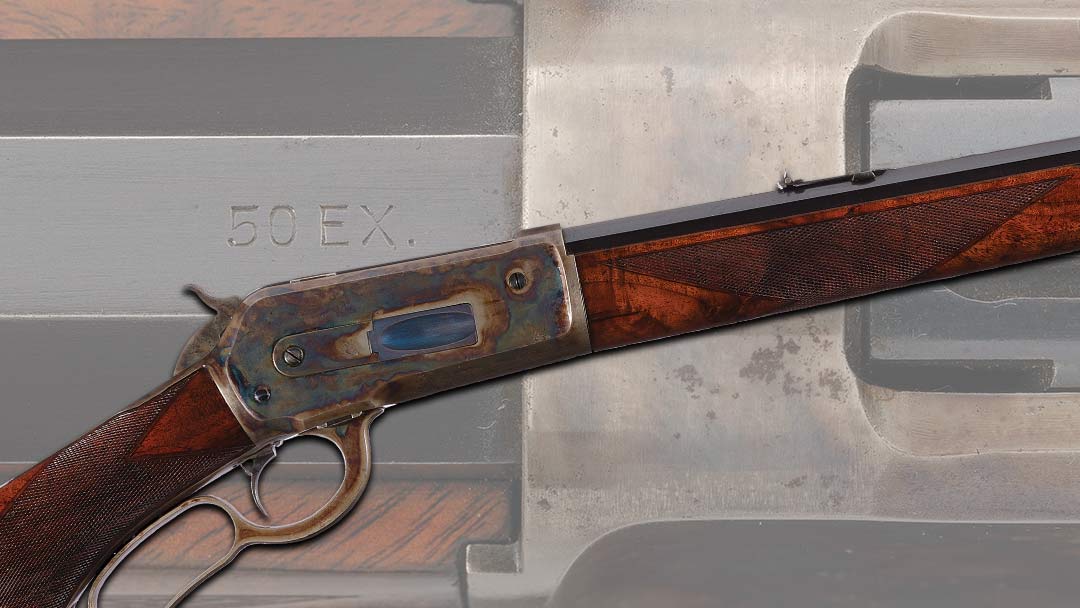
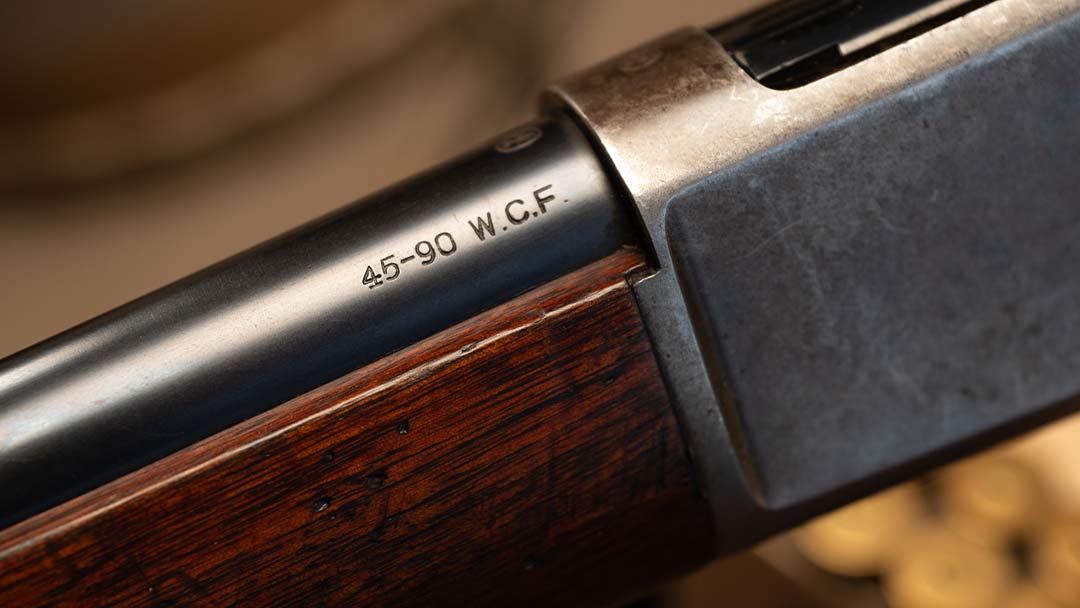
The Winchester 1886 was offered in ten factory chamberings. In addition to being paired with powerful cartridges like .45-90 WCF and .40-82 WCF, the mighty 1886 was capable of handling monsters like the .50-100 Express buffalo round, the most powerful factory black powder lever action cartridge ever produced.
The Winchester 1886 in the Field
In their October 28, 1887 issue, the Kansas Weekly Bulletin reviewed the new Winchester, noting, “These guns are made especial for large game and before the season is over we expect to hear of some wonderful work on deer.”
The same year, ‘Chasse et Pêche au Canada’, a hunting and fishing journal by Quebec native James MacPherson Le Moine, offered similar praise to the Winchester 1886, writing, “Its lightness and freedom from recoil is a great desideration to the Easter sportsman.”
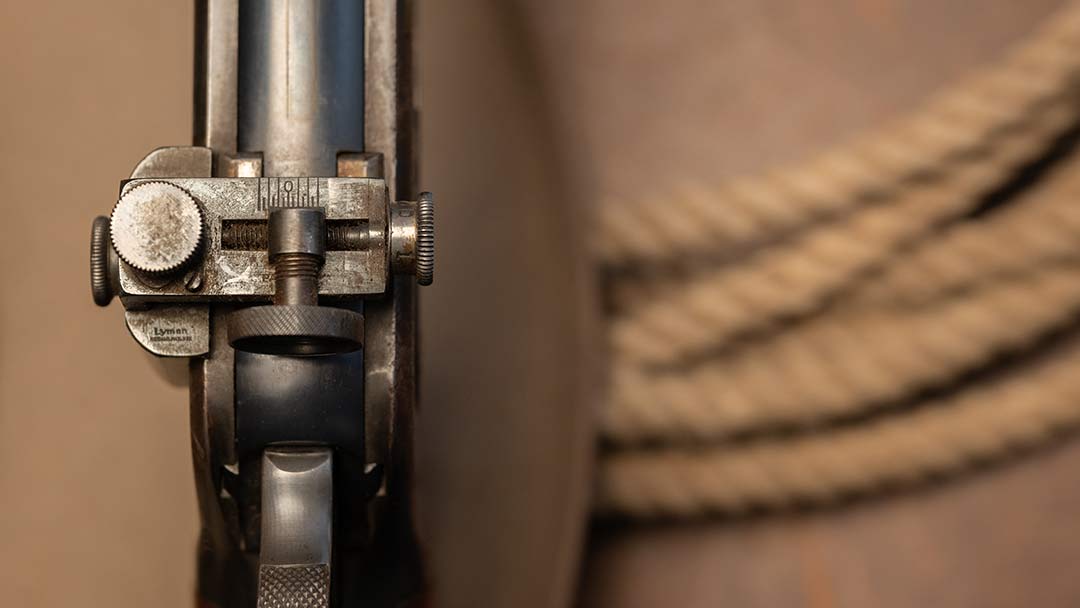
Though not designed for a top-mounted rifle scope, the Winchester 1886 was well-suited to hunting in the American West, offering the power needed to take down grizzly, elk, moose, and buffalo. In ‘Adventures with Indians and Game: Twenty Years in the Rocky Mountains,’ author William A. Allen recounts his experiences hunting with his Winchester 1886 and holding his own alongside his companions and their single shot rifles.
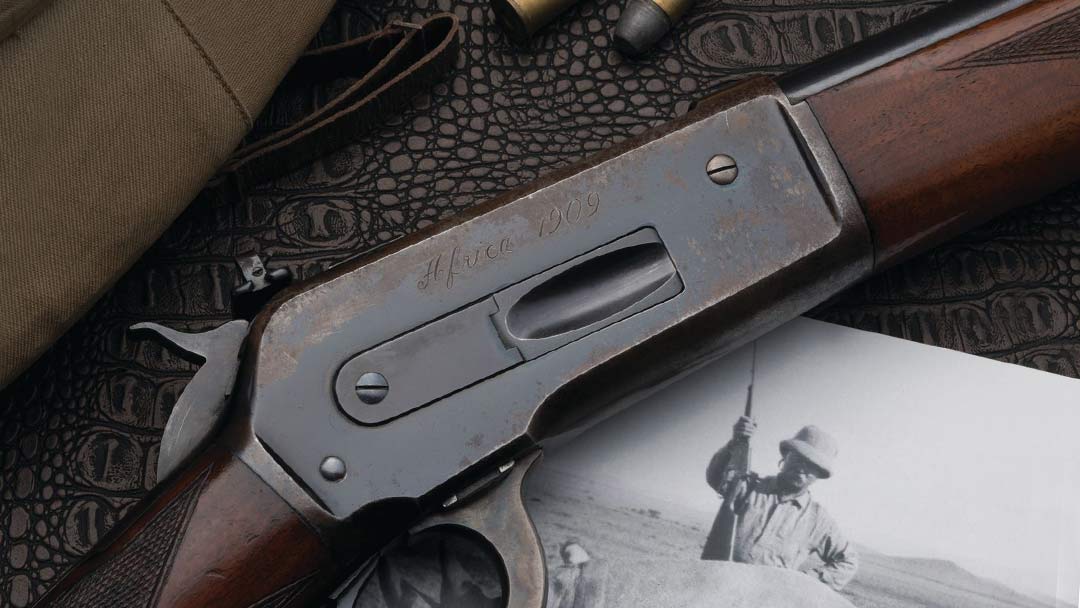
Teddy Roosevelt’s Winchester 1886, serial number 9205, became the future president’s primary sporting rifle from 1887 until 1894. Roosevelt’s Model 1886 included numerous custom features like a deluxe pistol grip stock, Monte Carlo cheek piece, and a shotgun buttplate. Roosevelt sent his rifle back to the Winchester plant five times to be refit and refinished. He also gifted the Winchester 1886 to a number of his friends and hunting companions.
The Winchester 1886 also saw its share of use by militaries, militias, and law enforcement. The Citizens’ Guard of Hawaii, operating at the turn of the 20th century, was outfitted with the Model 1886. The Texas Rangers and Pancho Villa’s irregular military forces carried the model. And members of the British Royal Flying Corps employed Winchester 1886 rifles chambered in .45-90 Sharps incendiary cartridges during WW1 for use against German airships.
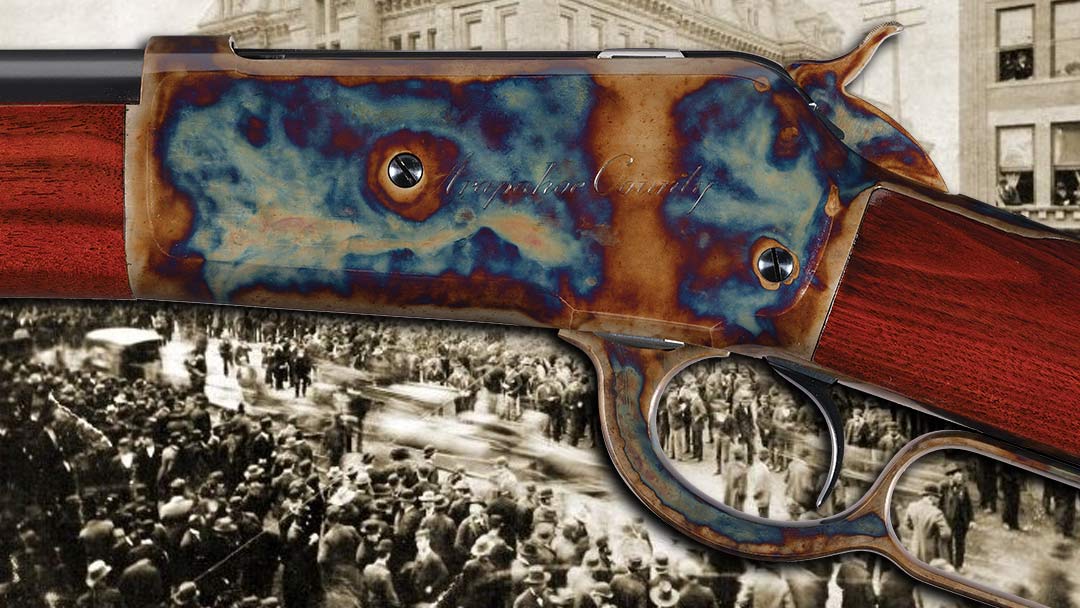
The example pictured below is one of 52 Winchester Model 1886 rifles bearing the inscription “Arapahoe County” on the left of the receiver and ordered in response to Denver, Colorado’s “City Hall War,” a series of clashes between the governor and Denver’s city government.
The Winchester 1886 Goes Smokeless
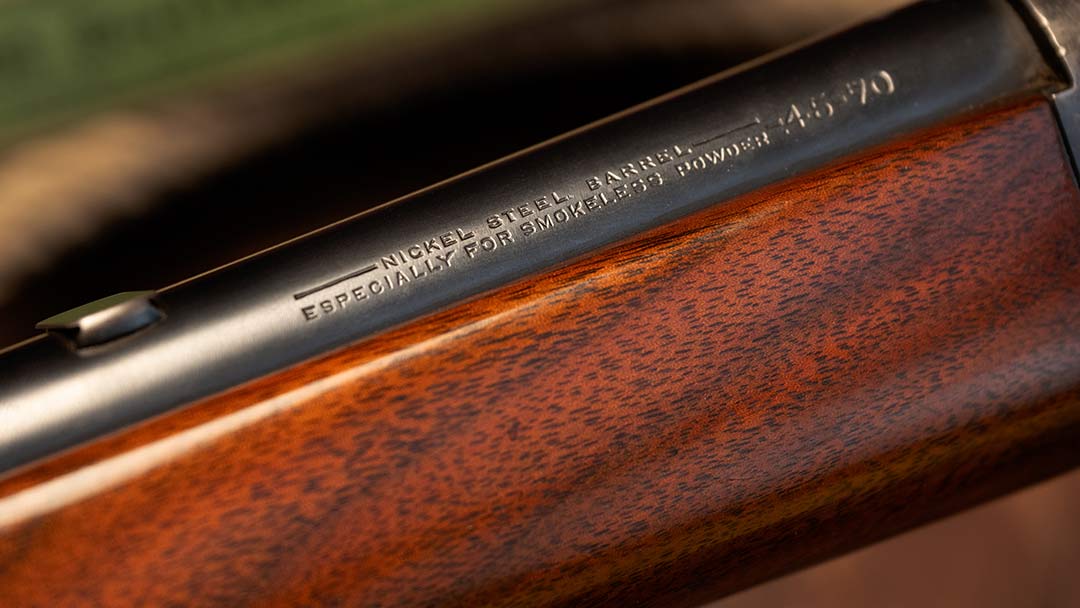
Browning’s design proved so robust that the Winchester 1886 was easily adapted with a nickel steel barrel to allow the platform to fire smokeless powder cartridges that became popular near the turn of the 20th century. Another change was introduced around 1902, somewhere after serial number 122,000, when the Model 1886’s standard casehardened receiver and lever was replaced with a blue finish.
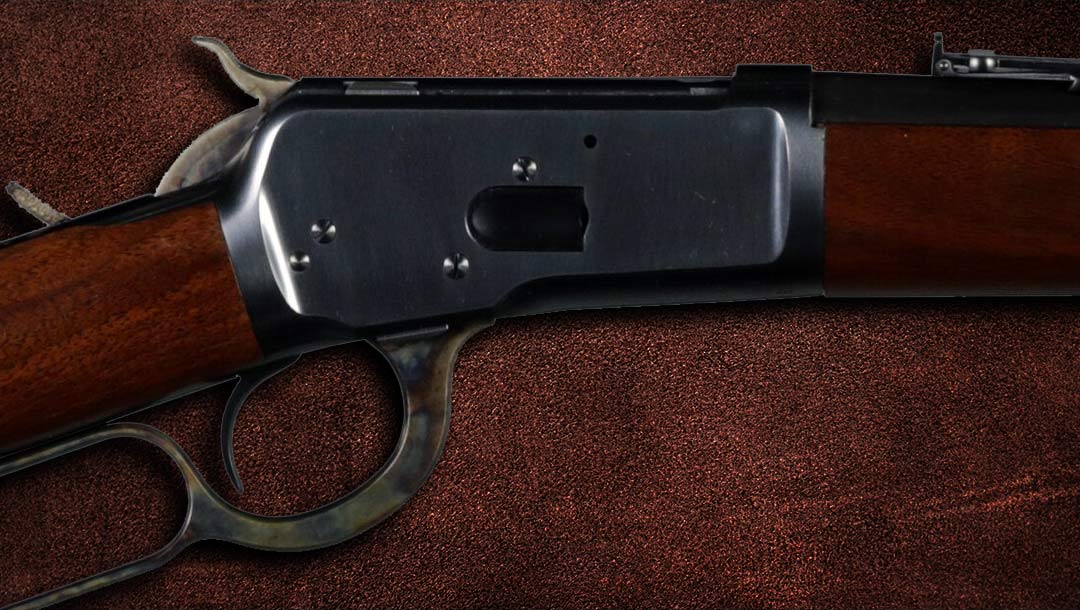
The Winchester Model 1892, Browning’s scaled-down version of the Winchester 1886 designed for low-powered revolver cartridges, made a similar transition into the smokeless era.
Winchester 1886 Legacy
The original Winchester Model 1886 was produced until 1935. The gun’s production total reached just under 160,000. While this figure fell well short of popular platforms like the Winchester Model 1894, the Model 1886 was a modest success in its market niche and continued to be manufactured until 1935.
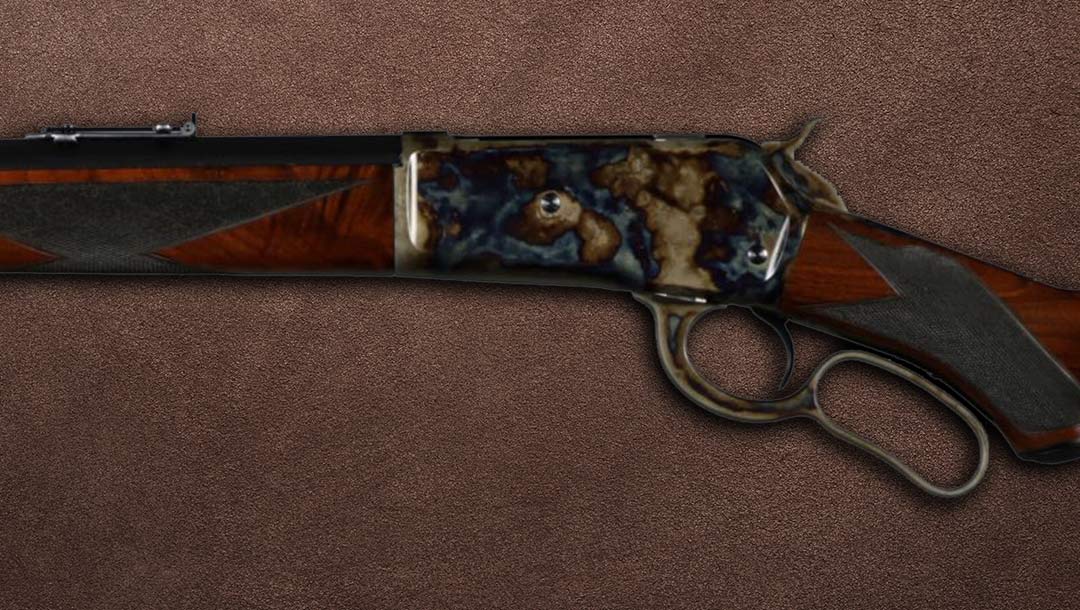
The Winchester 1886 faced competition from the Marlin lever gun line and the Savage 99, the latter employing a rotary stacked magazine that could chamber Spitzer cartridges. The Model 1886 was a costly gun to produce as well, and the increasingly popular bolt action rifle offered a more affordable platform for big game hunting. The Great Depression finally ended the 1886 for good, but Winchester already had a successor planned with the Model 71.
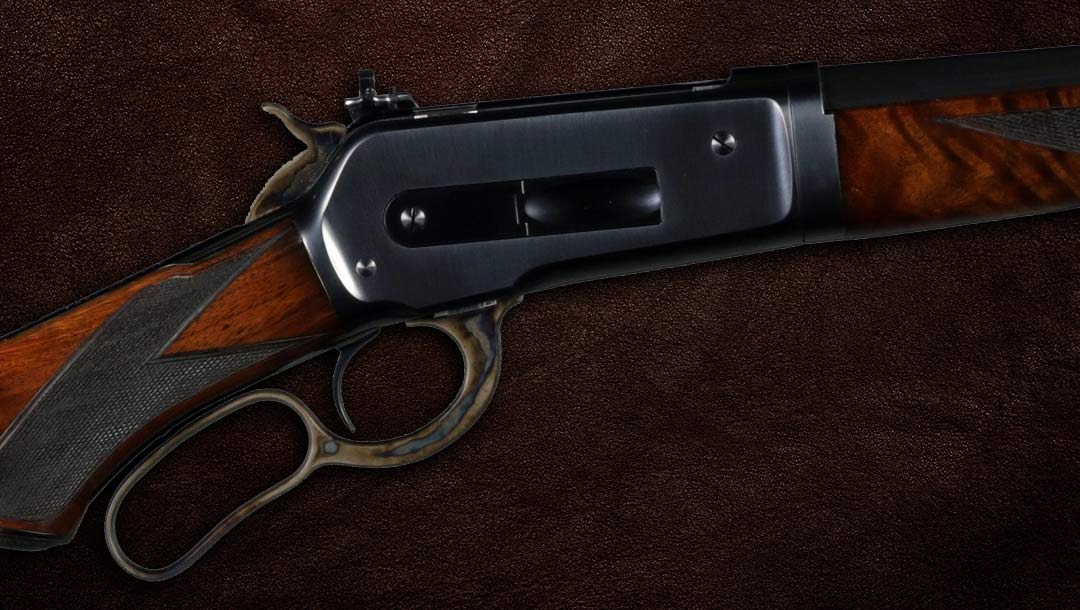
Winchester Model 71
The Winchester Model 71 started production in 1936, 50 years after the debut of its Model 1886 predecessor. Despite their mechanical similarities, few parts were interchangeable between the two platforms, as the Model 71 was designed to reduce manufacturing costs. The Model 71 was specifically chambered for the .348 WCF cartridge, a powerful round based on the black powder .50-110 Express.
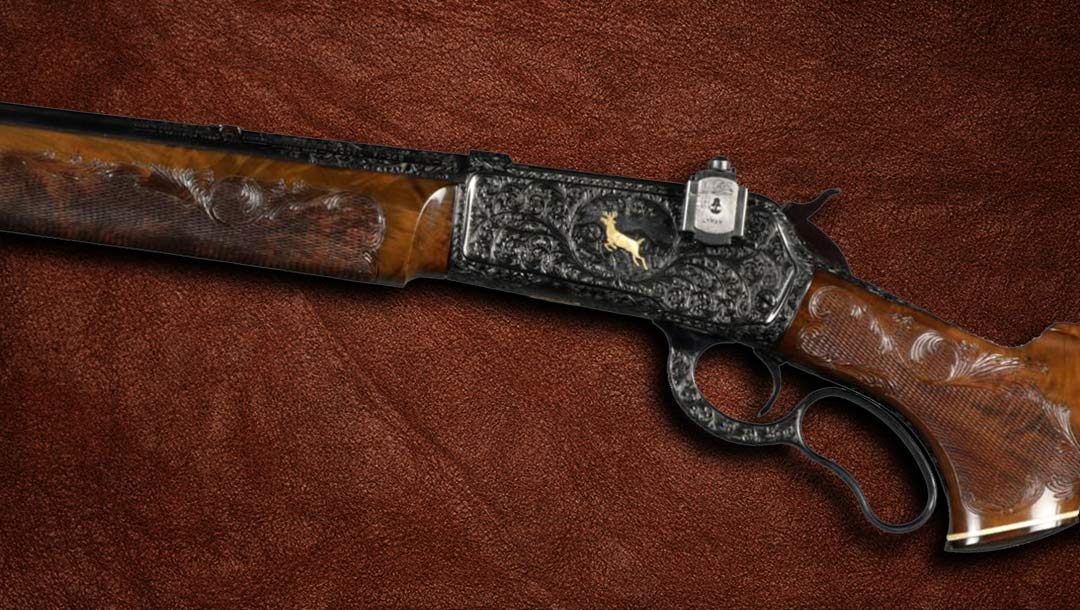
Sales numbers were modest, and production of the Winchester Model 71 was halted during WW2 and resumed again in 1947. By that time, bolt action ammunition was rapidly evolving. The popularity of scopes was also increasing, and the Model 71’s simplified design was still more expensive to produce than its big game competitors. The gun was discontinued in 1958 after an estimated production run of 47,254.
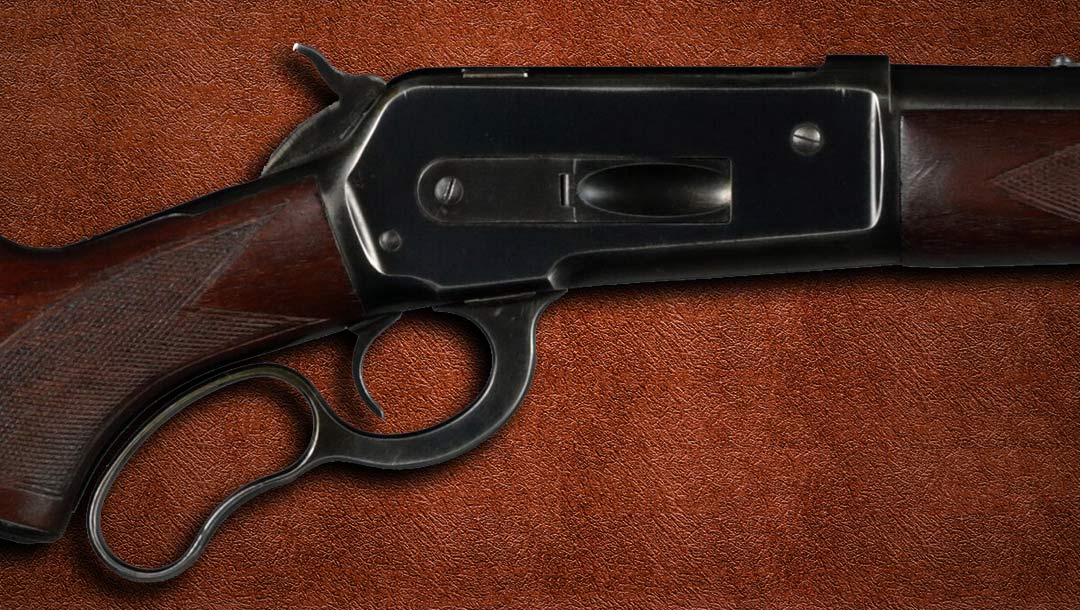
The Winchester 1886 Today
For the 100th anniversary of the Winchester 1886, Browning Arms partnered with Miroku Corporation of Japan for a Model 1886 commemorative run. The gun became a regular part of Browning’s lineup, and was at last reintroduced to the Winchester family in 2020.
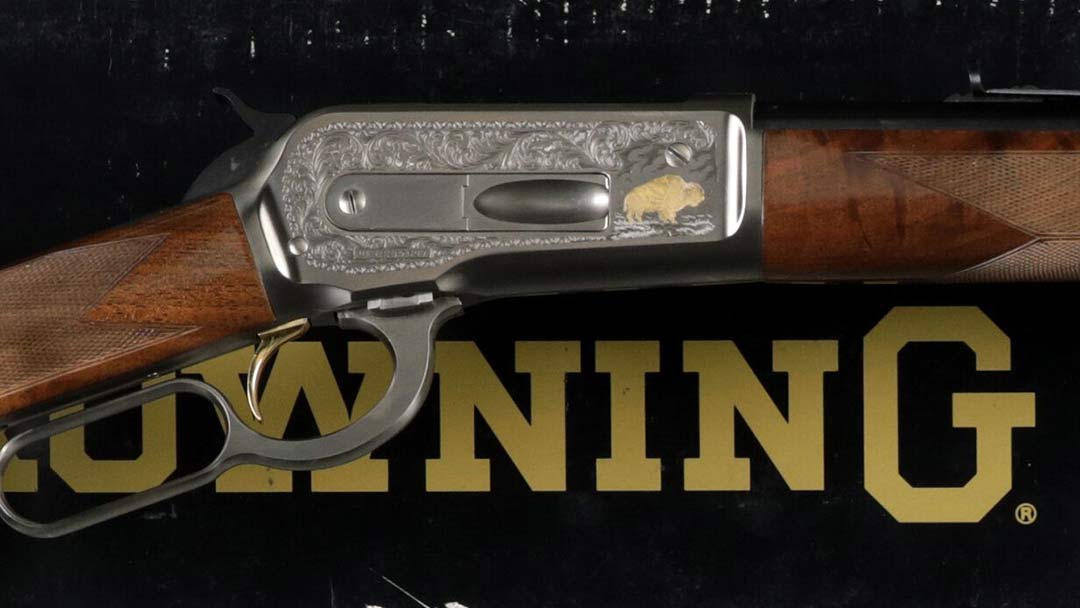
Pedersoli, Uberti, and Chiappa have also produced modern reproductions of the Winchester 1886. While these firearms are a fantastic way for shooters to experience the classic Model 1886 platform, there’s nothing like owning a genuine antique or curio example of Winchester’s big game hunting specialist.
Winchester 1886 Prices
In the 1880s, the Winchester 1886 could be purchased for as low as $20, a premium firearm for its era. Today, the Model 1886 is one of the most coveted firearms in the collecting pursuit, commanding ever-more impressive prices at auction. This isn’t a surprise to arms enthusiasts, since 19th century Winchester lever guns are right up there with antique Colt revolvers in terms of collectability, and the Winchester 1886 was designed for the Wild West.
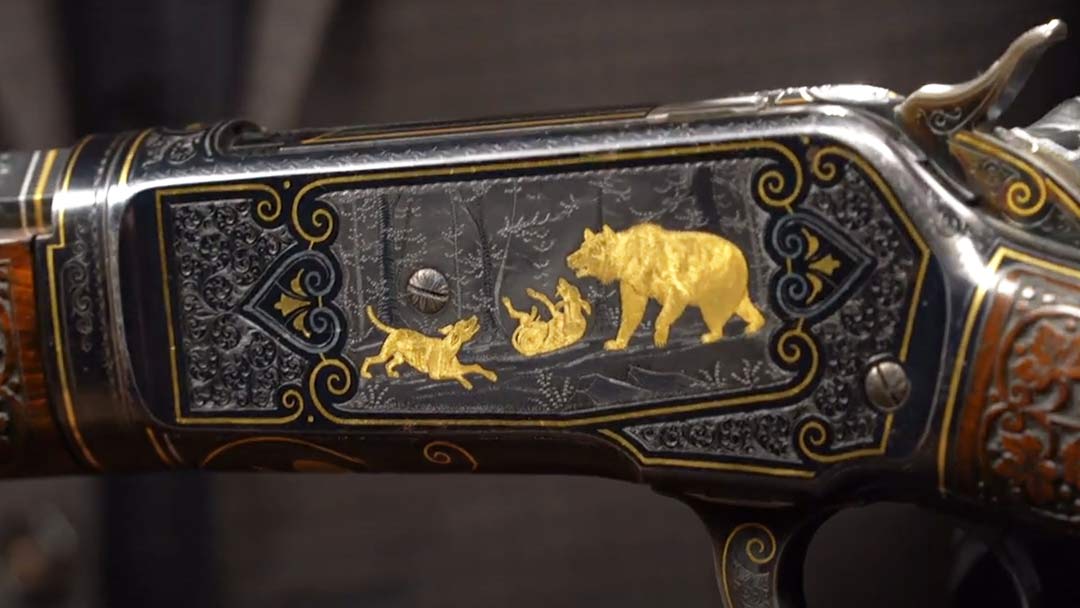
Two of the top ten guns ever sold at Rock Island Auction Company are Winchester 1886 rifles, like the breathtaking John Ulrich signed, engraved, and inlaid example pictured above. Rare special features, engraving, high condition, notable provenance, and documentation can greatly increase the value of a Winchester 1886, and factory records for the model are more complete compared to some of its predecessors.
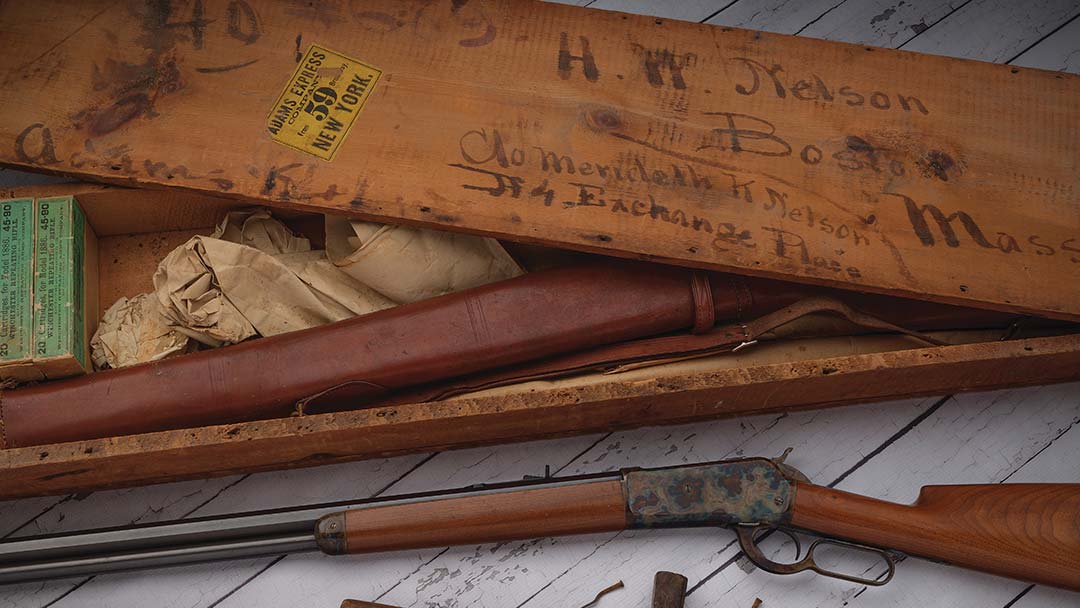
Winchester Model 1886 for Sale
In terms of power and engineering, John Browning’s first lever gun design more than lived up to its promise as a working man’s big game repeater. Rock Island Auction Company offers an unparalleled selection of Winchester Model 1886 rifles and carbines for sale in its Premier and Sporting & Collector Auctions, where original examples of this frontier classic can be obtained at every collecting aspiration.
Subscribe to the weekly Rock Island Auction newsletter to receive new gun blogs and gun videos that cover other historic hunting icons in the Winchester family, including the Model 1887 and Model 1901 lever action shotguns, the Model 21 side-by-side, , the Model 1897 and Model 42 pump shotguns, the Model 1895 lever rifle, the Model 70 and Model 52C bolt action rifles, and more.