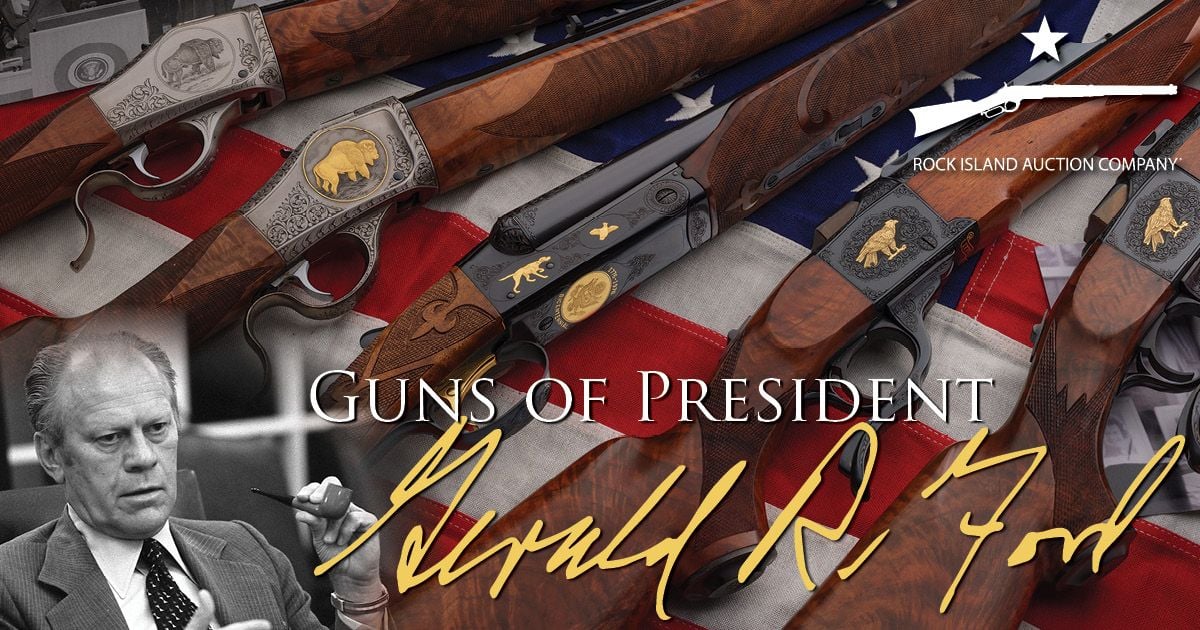
President Gerald Ford, who helped heal the nation from the Watergate scandal as the only president to enter office without being elected or through the death of a president, had a zeal for the outdoors.
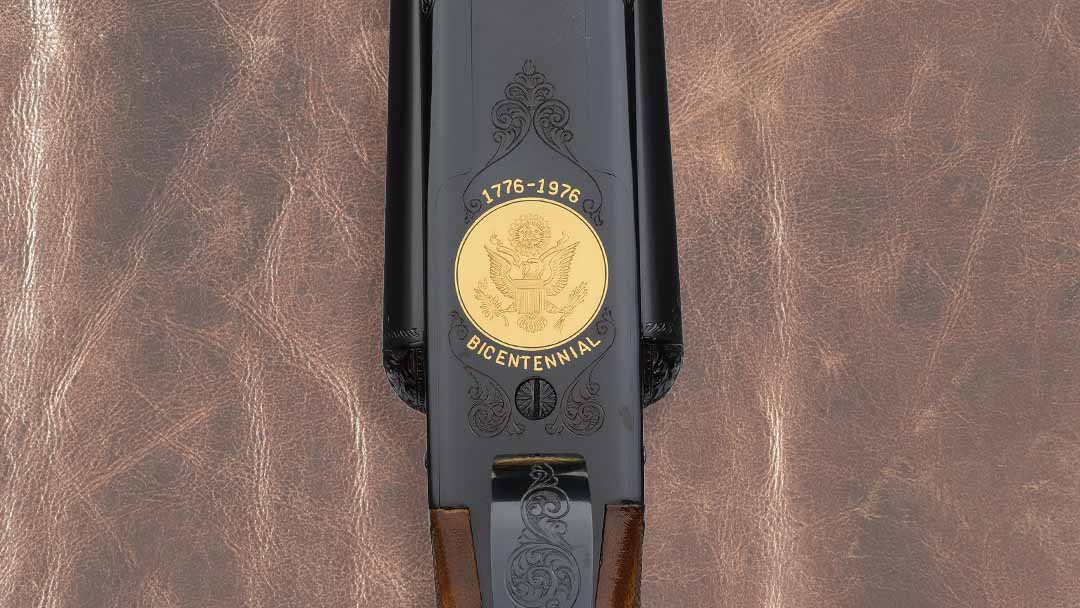
Ford, the 38th president, learned to fish from his stepfather, earned his Eagle Scout badge from the Boy Scouts, and in his autobiography recalled a photo of himself as a youngster dressed “like an early frontiersman.” He and his wife, Betty, were part-time residents of Vail, Colo., where he was an avid skier. Ford was the only president who served as a ranger for the National Park Service. As president during the bicentennial year of 1976, Ford was presented fine, engraved sporting arms from Winchester, Browning and Ruger.
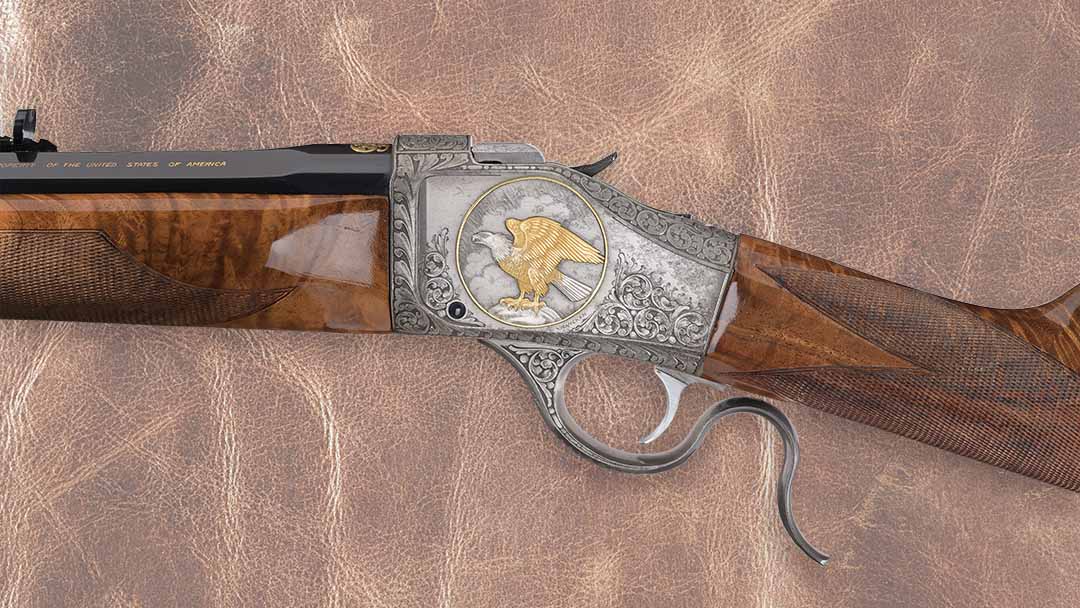
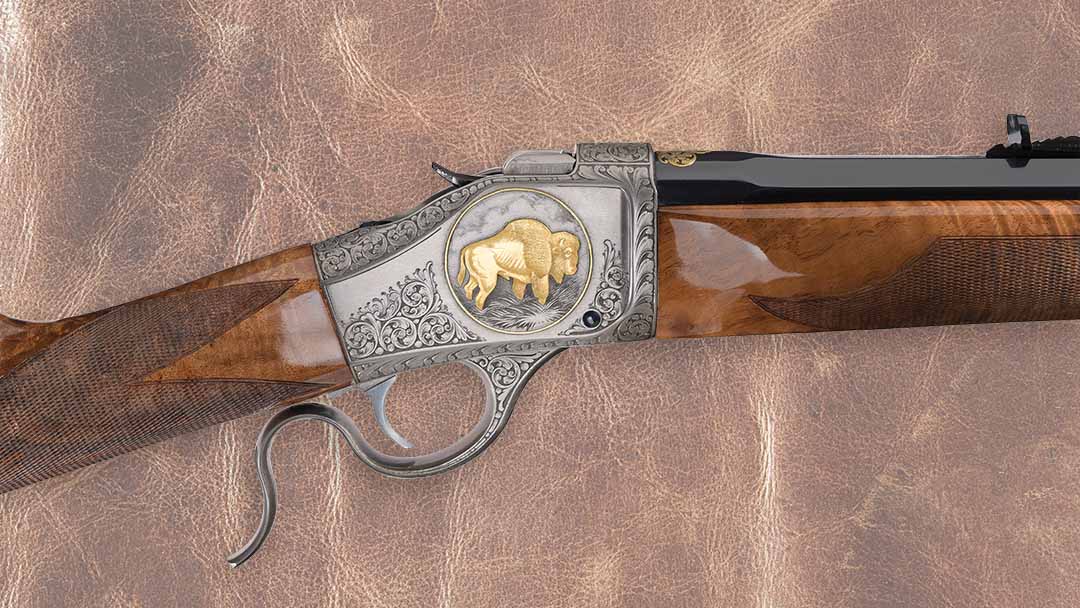
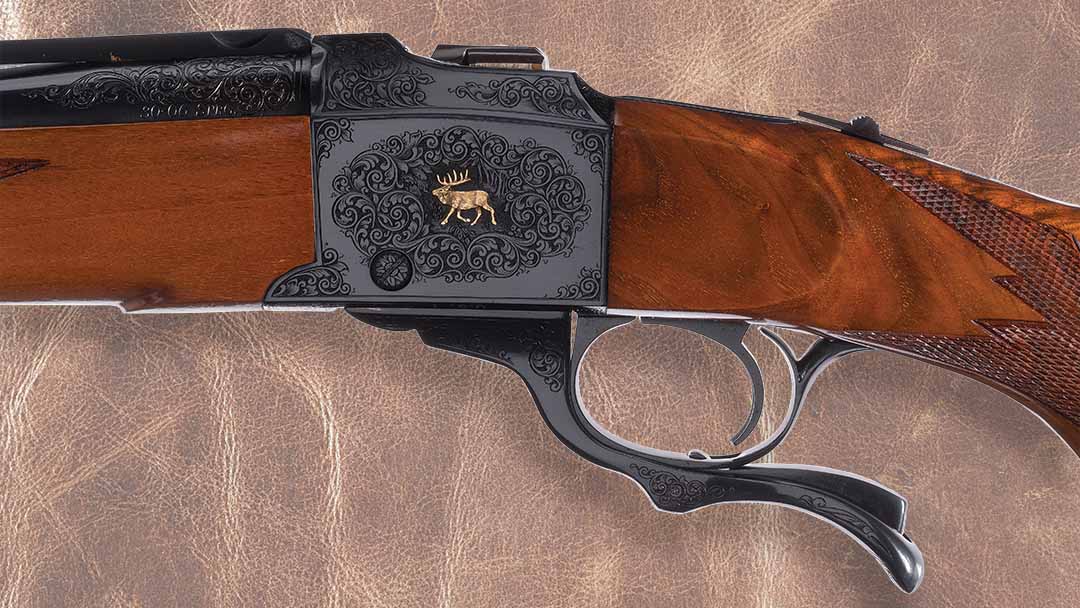
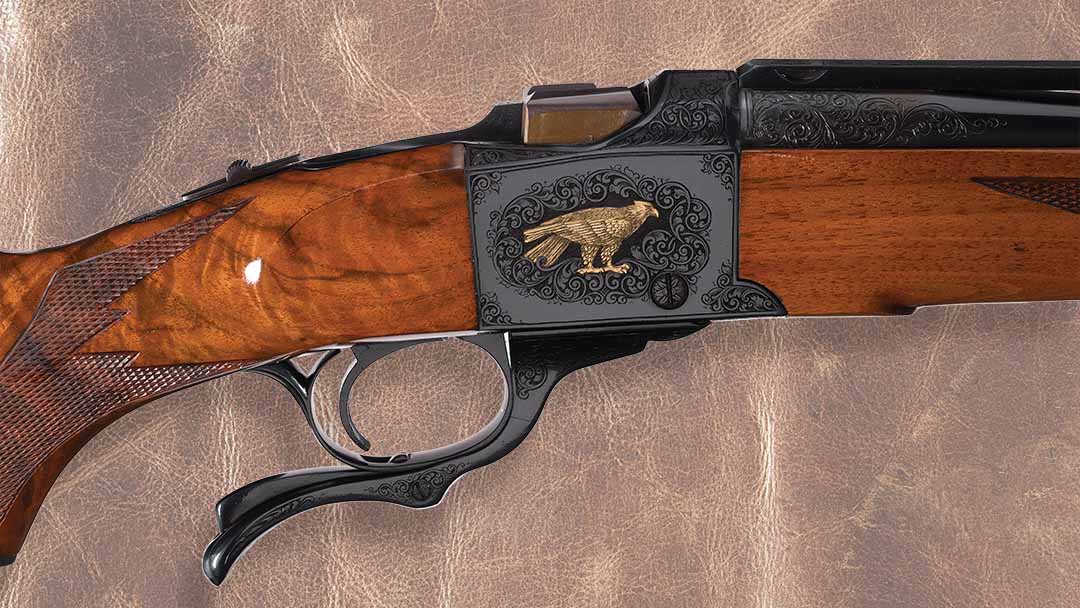
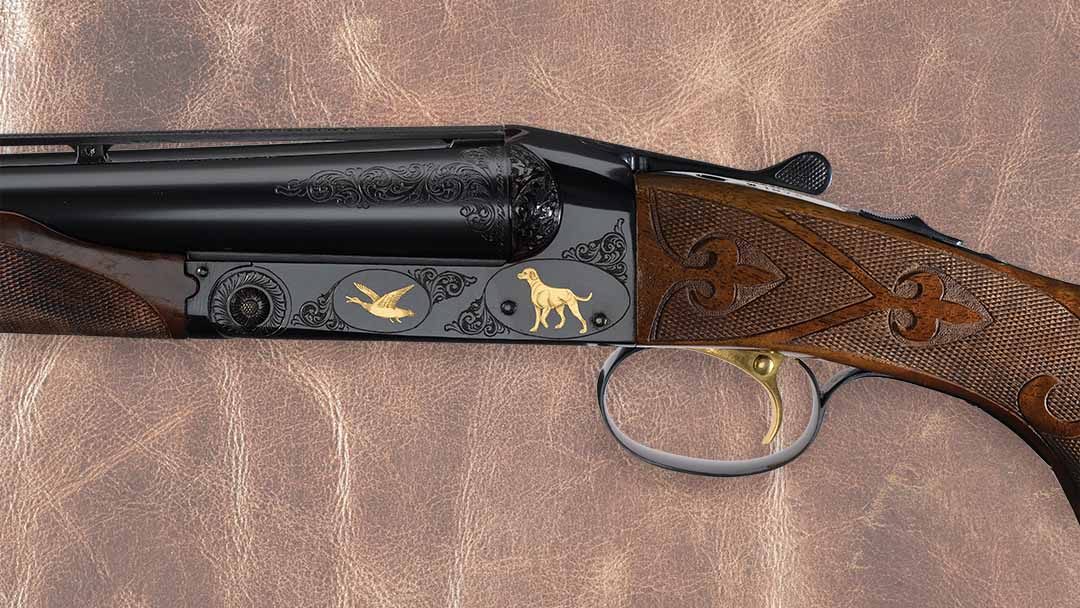
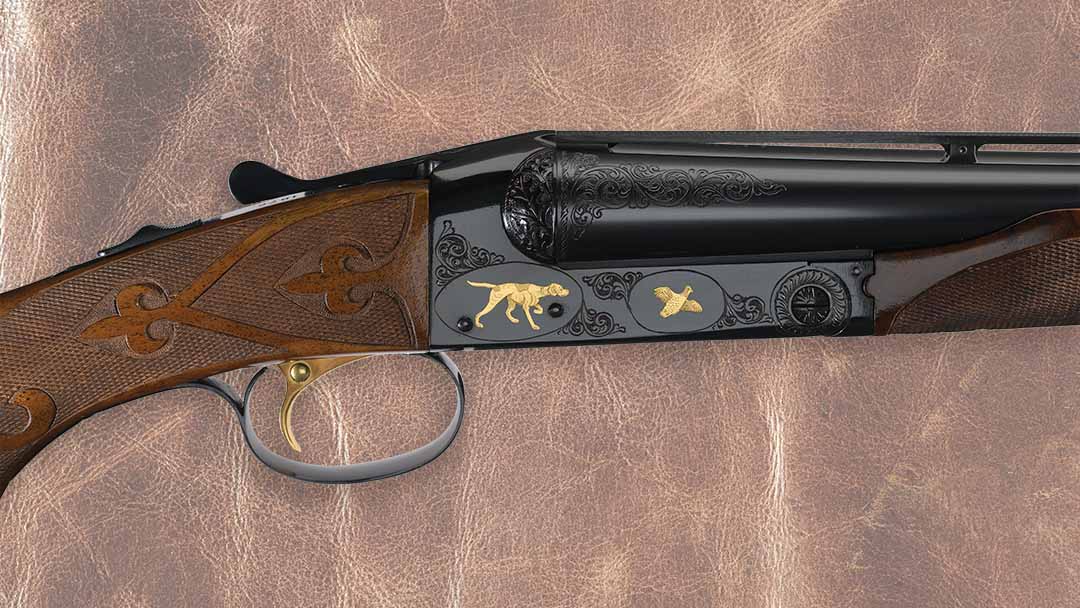
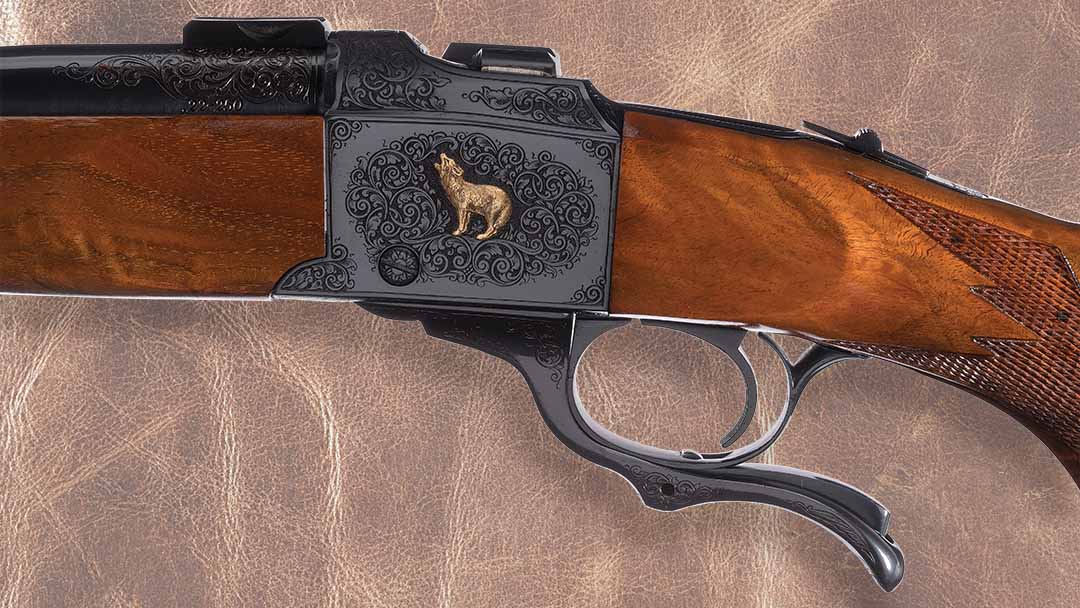
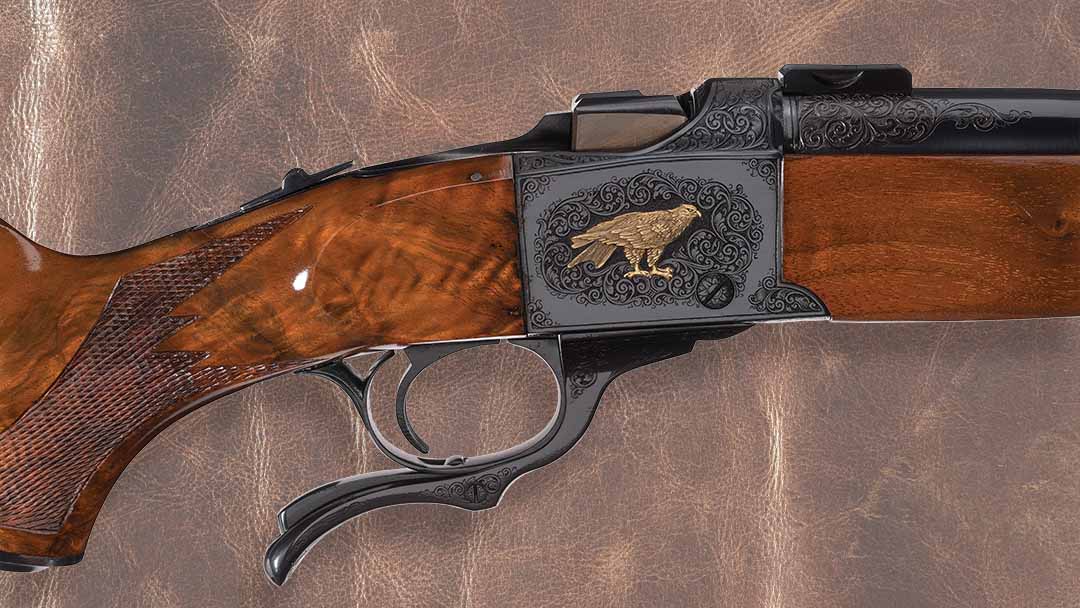
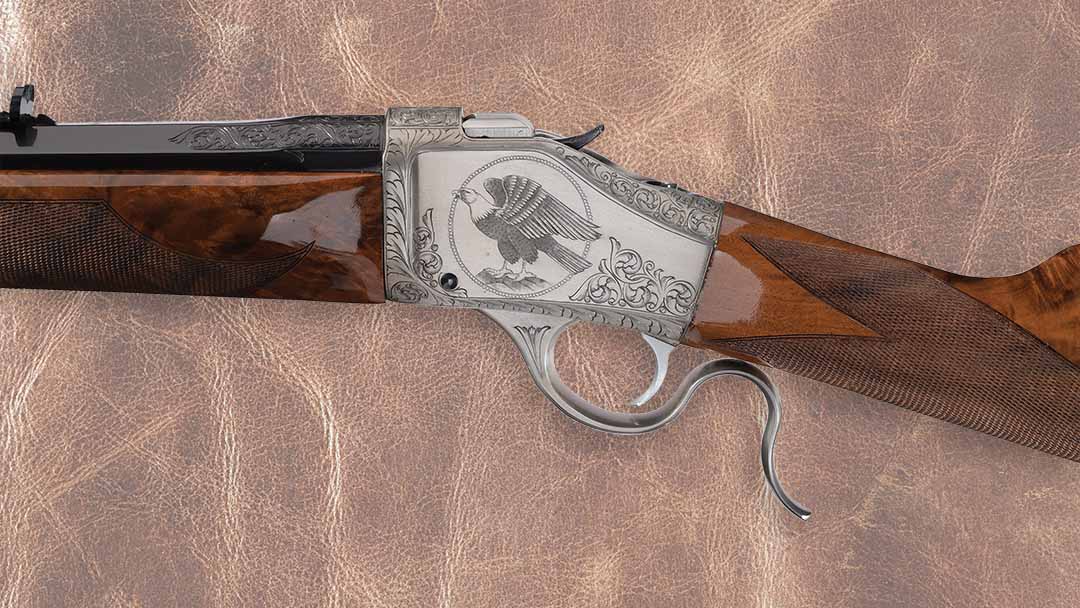
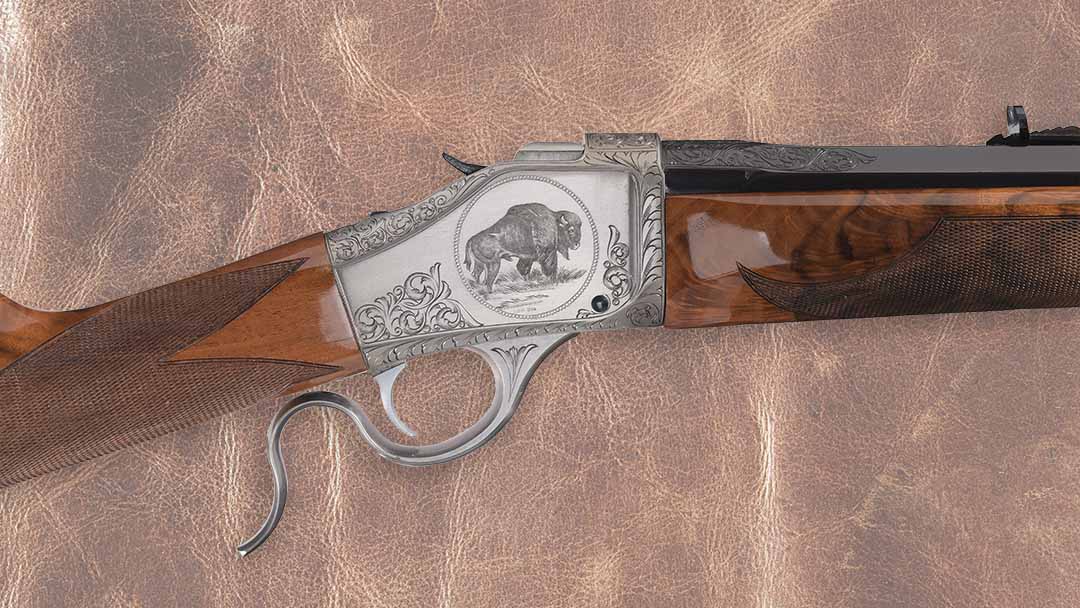
Those guns — an engraved and gold inlaid Winchester Model 21 double barrel shotgun, a pair of factory engraved game scene pair of Browning Model 1885 single shot rifles and a pair of factory engraved Ruger No. 1 Bicentennial single shot rifles, will be available in Rock Island Auction Company’s May Premier Auction.
Gerald Ford, Richard Nixon and Watergate
Ford served In Congress from 1949 until becoming vice president in 1973. A popular legislator, he rose through the ranks to serve on the House Appropriations Committee, Defense Appropriations Subcommittee, as well as the Warren Commission that investigated the John F. Kennedy assassination. Well-liked on both sides of the aisle, he declined offers to run for the Senate or as governor of his home state of Michigan.
His chief ambition was to become Speaker of the House and he was serving as House Minority Leader when Spiro Agnew resigned as vice president following his conviction for tax evasion. President Richard Nixon asked the advice of Congressional leaders on whom to appoint and heard unanimously that it should be Ford, who would require confirmation by both the House and Senate.
By August 1974, Watergate was overwhelming the White House as Nixon tried to do damage control. Three trusted Congressional Republicans told Nixon he’d lost their support, and Ford announced in a cabinet meeting that he wouldn’t offer any further public support, pushing him toward resignation. Ford was sworn in Aug. 9, 1974 as the only unelected President of the United States eight months after his appointment as vice president.
Speaking after his swearing in, Ford said, “My fellow Americans, our long national nightmare is over. Our Constitution works. Our great Republic is a government of laws and not of men. Here, the people rule.”
A month later, Ford announced a full, free and absolute pardon for Nixon of any offenses against the United States committed between Jan. 20, 1969 and Aug. 9, 1974. The pardon was controversial and likely factored into his re-election loss in the 1976 election, but Ford never second-guessed his decision.
Young Gerald Ford
Ford was born Leslie King in Omaha, Neb. in 1913. His mother soon divorced his abusive father and moved to Grand Rapids, Mich. To live with family. There, she met Gerald Ford, who she married. His stepfather adopted young Leslie and renamed him Gerald Ford Jr.
The family struggled financially as young Gerald grew up, taking jobs while excelling at athletics. He captained the state champion high school football team and played varsity basketball and ran track as the United States sank into the Great Depression. He played football at the University of Michigan where he was named the Wolverines most valuable player as a senior offensive lineman. He received offers to play for the Detroit Lions and Green Bay Packers but didn’t see a future in professional football. He took a coaching position at Yale while considering law school.
National Park Ranger, Gerald Ford
Ford learned about being a National Park ranger from a former classmate who had worked at Yellowstone one summer. In 1936, Ford landed a job at Yellowstone. He welcomed tourists, gave tours to VIPs and helped feed the bears.
At the time, bear feeding was promoted and tourists flocked to scheduled feedings. Ford, late in the afternoon would load garbage onto a flatbed truck and take it to a designated feeding area. He wrote of the task, “Tourists watched the feeding ritual in a fence-enclosed area from the banks of the pit and I stood on the flatbed truck, rifle in hand, to make sure that the bears kept away from their audience.”
That was the only summer he worked at Yellowstone, returning to the University of Michigan the next summer to take law classes. He eventually was allowed to coach at Yale and attend law classes, earning his juris doctorate and returning to Grand Rapids where he practiced law.
Gerald Ford Goes to War
Despite his burgeoning law practice, when World War 2 started, Ford joined the Navy in 1942, starting his service as a fitness instructor. The future president wanted in the fight and was soon ordered to U.S.S. Monterey, a soon to be commissioned light aircraft carrier, where he served as assistant gunnery officer and later moved to the bridge as a navigator.
Ford earned 10 battle stars for engagements like Okinawa, Wake, the Philippines and the Gilbert Islands. Just before Christmas 1944, the Monterey was caught in a typhoon and while out on deck, Ford was swept off his feet and nearly went overboard only to be saved by a two-inch lip on the flight deck intended to keep dropped tools on the deck in heaving seas. He was discharged in February 1946 with the rank of lieutenant commander.
As a Congressman on the Defense Appropriations Subcommittee, Ford visited Vietnam in 1953, and in the late 1960s he believed North Vietnam could be defeated. Handed the task of ending the United States’ presence in Vietnam, he ordered the evacuation of U.S. personnel and South Vietnamese who wanted to leave the country as the North Vietnamese advanced to Saigon. Final evacuations were April 28, 1975.
“It was the saddest hour of my time in the White House, sitting in the Oval Office and watching those last Americans being finally evacuated from Vietnam. To see United States troops kicked out, literally, was a hard thing for a President to swallow, and hard for most Americans to swallow,” Ford wrote.
Gerald Ford Survives Assassination Attempts
President Ford, on visits to California survived two assassination attempts within three weeks of each other in 1975. Lynette “Squeaky” Fromme failed to chamber a round in her M1911 and never got a shot off on Sept. 5 as he entered the state capitol in Sacramento. She was only a few feet away from the president.
On Sept. 22, Ford was in San Francisco to speak to the World Affairs Council when Sara Jane Moore fired two shots at him with a .38 caliber revolver. Both shots missed the president but one hit a taxi driver who was standing inside the hotel where Ford spoke. After the first shot, a Vietnam veteran grabbed her arm before she fired again. The taxi driver survived.
Gerald Ford Guns for Sale
Rock Island Auction Company has had the pleasure of selling presidential guns from Theodore Roosevelt, John F. Kennedy, Abraham Lincoln, Chester Arthur and Ulysses S. Grant and a sword of Andrew Jackson’s. These weapons are extremely rare and getting the chance to acquire one seldom occurs.
The United States’ only unelected president, Gerald Ford’s tenure was brief but remarkable, healing a nation reeling from Watergate and bringing American’s lengthy and divisive role in Vietnam to an end. Heaping presidential history onto remarkably embellished sporting arms – a Winchester Model 21 double barrel shotgun, a pair of Browning Model 1885 single shot rifles and a pair of Ruger No. 1 single shot rifles – make them tremendous opportunities for collectors. These historic presentation pieces to the 38th president will be available in Rock Island Auction Company’s May 17-19 Premier Auction in Bedford, Texas.