
Save all week at Chase Tactical. Their Cyber Monday Sale kicks off today and runs through 12/04. Use code CYBERMONDAY23 to save 23% sitewide! ChaseTactical.com
Collectible Firearms for Serious Gun Collectors

Illinois has some of the largest whitetail deer in the country, by some accounts only second to our neighbors to the north in Wisconsin. For many Illinoisans, deer hunting is a time-honored pastime and a way to put meat in the freezer and food on the table for their families.
For many years, Illinois hunters have been restricted to hunting deer with bows, shotguns, muzzleloading rifles, revolvers, or single shot pistols. That changed recently. Under Public Act 102-0932 effective Jan. 1, 2023, Illinois is finally allowing rifles for deer hunting again for the first time since 1957, but there are limits on what can be used both in terms of the allowed cartridges and the rifles being limited to single shot only.
New Hunting Laws for Illinois Deer Season 2023
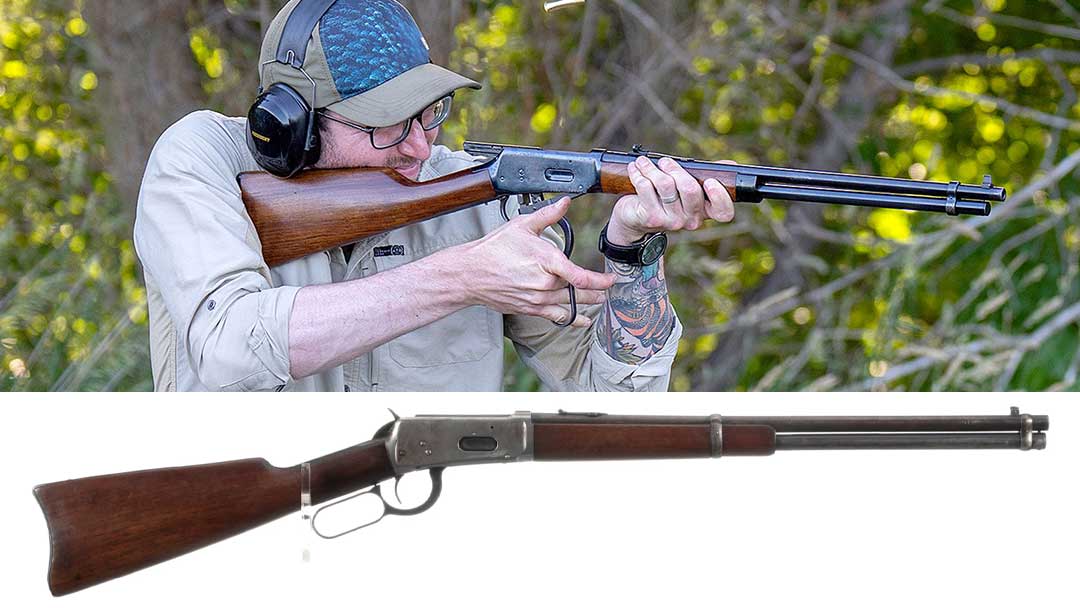
As a fan of muzzleloading and single shot rifles, the new Illinois deer hunting changes aren’t a huge issue for me, but the rules still don’t allow me to take out my .30-30 lever action. In fact, .30-30 isn’t allowed at all because the Illinois deer hunting act specifies: “a bottleneck centerfire cartridge of .30 caliber or larger with a case length not exceeding one and two-fifths inches, OR a straight-walled centerfire cartridge of .30 caliber or larger. Both must be available as a factory load with the published ballistic tables of the manufacturer showing a capability of at least 500-foot pounds of energy at the muzzle. Full-metal jacket bullets may not be used to harvest deer.”
The approved cartridge list for Illinois deer season 2023 allows for everything from 9 mm Parabellum to .500 Nitro Express 3-inch, so the limitations imposed border on being completely arbitrary. The cartridge list even notes that 9 mm Luger is light and may only wound whereas .500 Nitro Express 3-inch and some of the other “express” type cartridges are overkill and “May result in overpenetration and downrange safety concerns.”
So why are these weak and overpowered cartridges on the list for Illinois deer hunting, but not much more suitable cartridges like the .30-30? I don’t get it, and based on popular feedback, I’m not alone. Regardless, there are plenty of modern cartridges on the list that are rated as excellent for deer, but as a fan of the classics, I’m most interested in something like the .44-40 W.C.F., .38-55 W.C.F., or .45-70 Govt. that are also considered excellent deer hunting cartridges.
Classic 19th Century Single Shot Rifles for Deer Hunting in Illinois
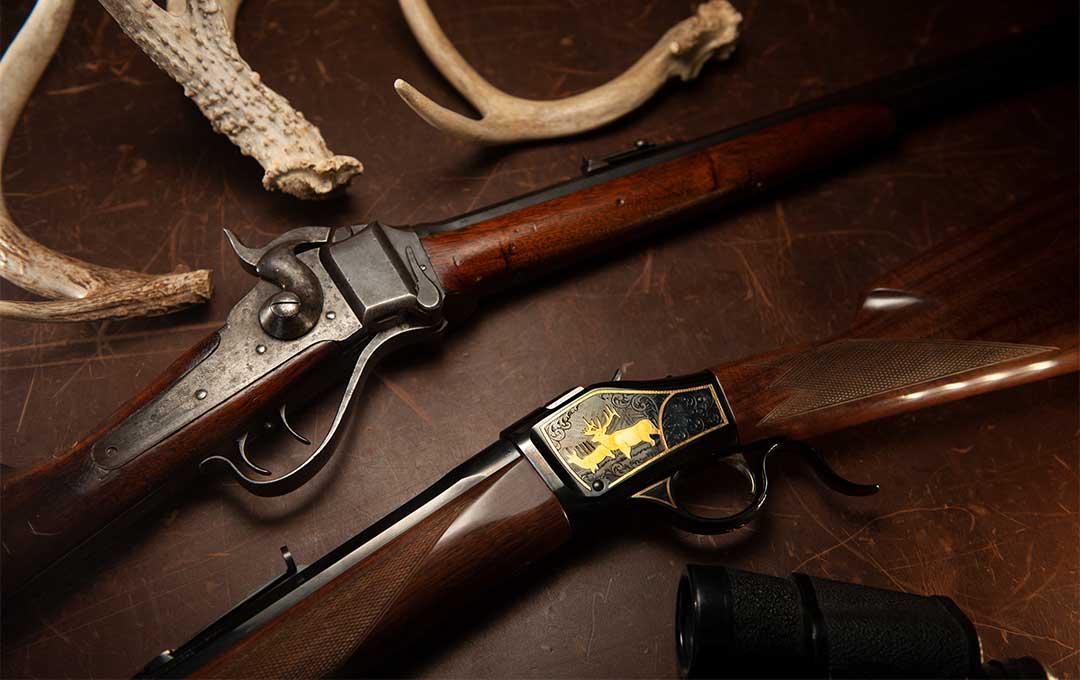
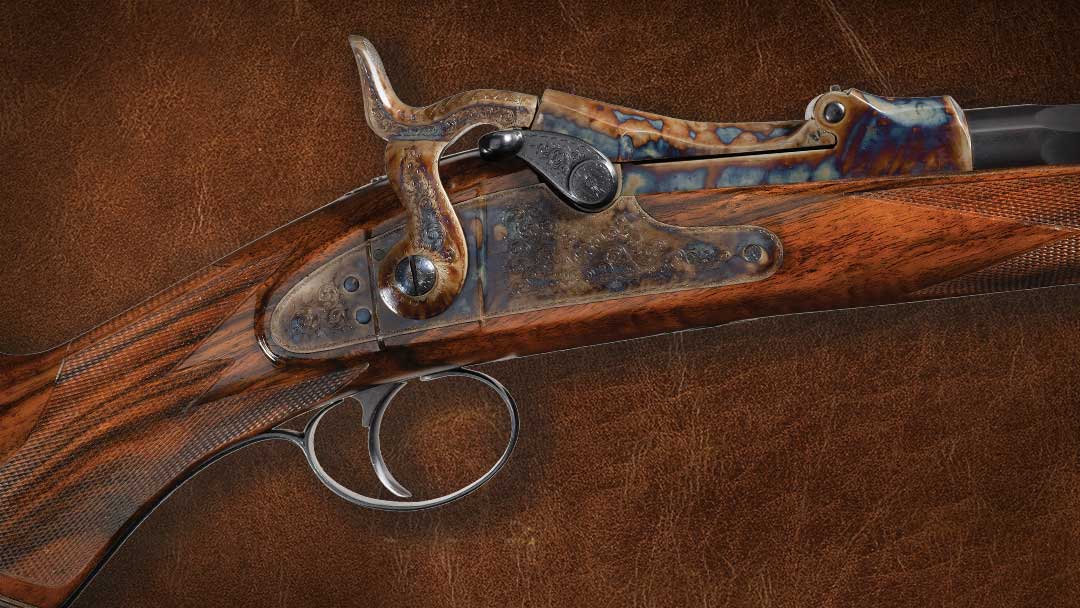
I’m a big fan of classic single shot rifles, so Illinois allowing single shot rifles for deer hunting season is a good excuse to pick up a new rifle. As a member of the cataloging team at Rock Island Auction, I get to examine a ton of original, antique, single shot rifles every year and have certainly found several models I would love to own. In addition to original single shot rifles in condition nice enough to shoot, we regularly have reproductions of classic single shot rifles in our Sporting & Collector and Arms & Accessories sales. Sometimes the reproductions are actually more expensive than the original single shot rifles.
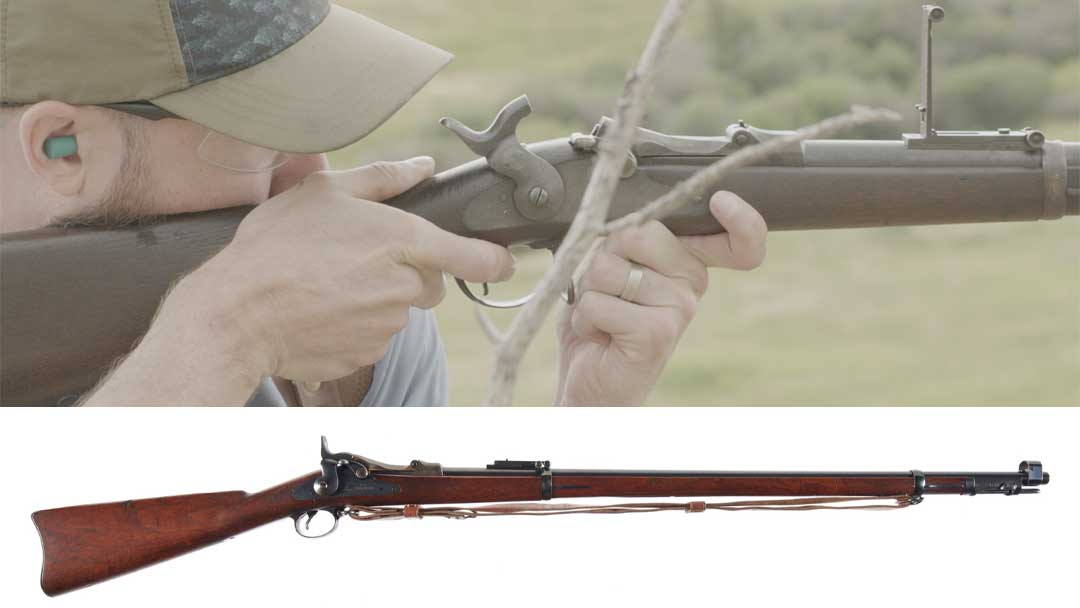
Of all the classic single shot rifles, the various sub-models of the U.S. Springfield Trapdoor rifles in .45-70 Govt. are probably the most widely available. We’ll have several racks of them available in most of our Sporting & Collector Firearms Auctions and smaller numbers in our other auctions as well.
Many of these rifles have excellent bores, and the locks and breechblocks of the ol’ warhorses of the late 19th century Indian Wars tend to function very well. If you are wanting a Springfield Trapdoor for primarily deer hunting, you can find rifles and carbines with replacement parts or that have been refinished for less and still have a reliable rifle. That said, even all original trapdoors in high condition aren’t particularly expensive.
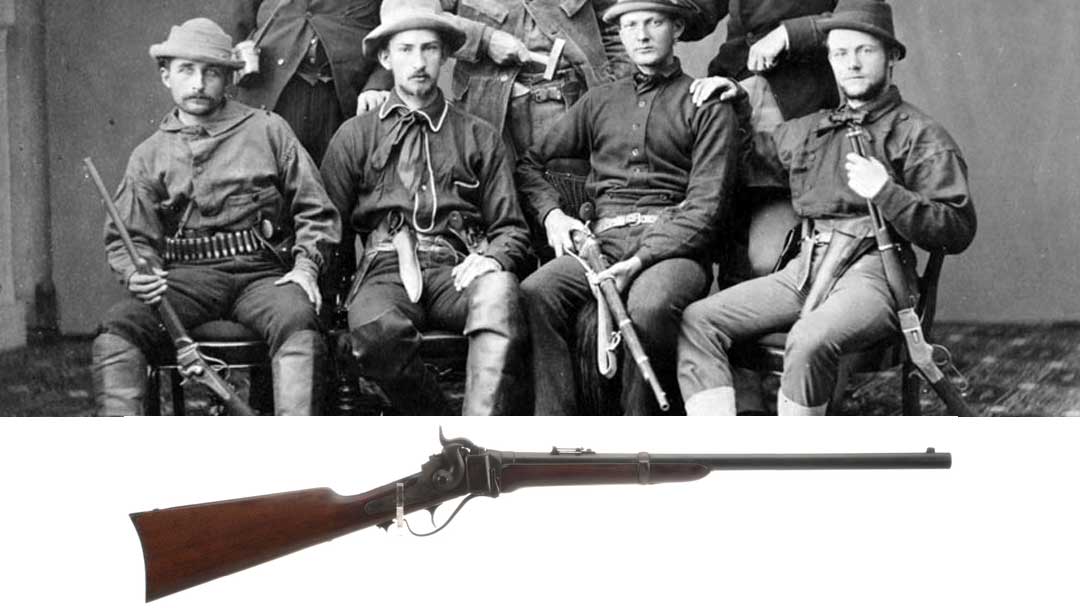
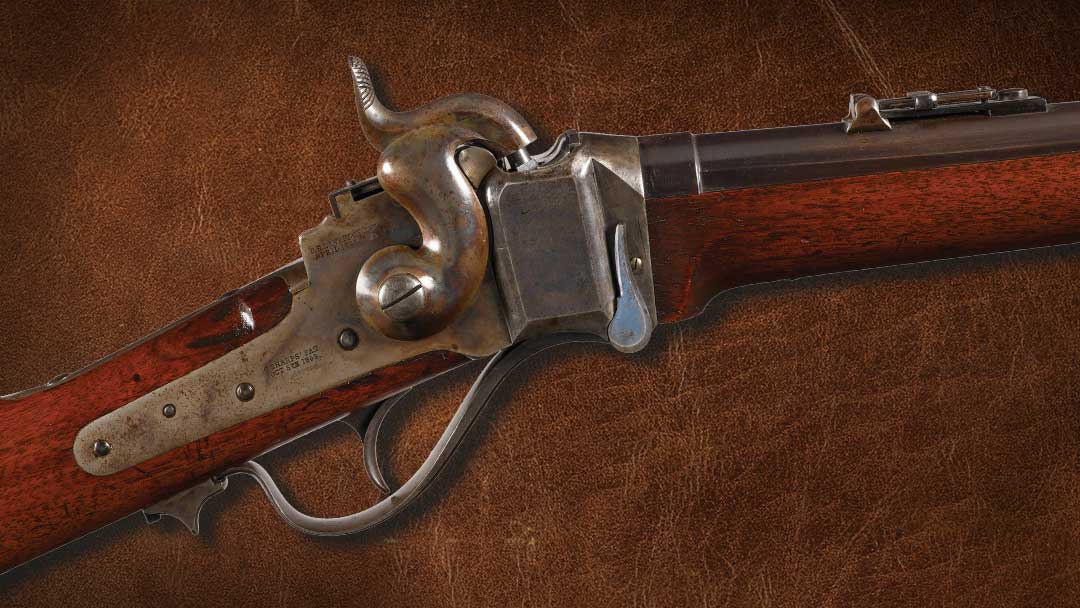
Another single shot rifle design out of the 1870s American West that is widely available is the Sharps Model 1874. They were very popular among hunters in the West in the late 19th century. In addition to the originals, today Pedersoli, C. Sharps Arms, Shiloh Sharps, and others all make reproductions in a variety of configurations, including Quigley Down Under style long barreled rifles. A Sharps Model 1874 single shot rifle is high on my wishlist.
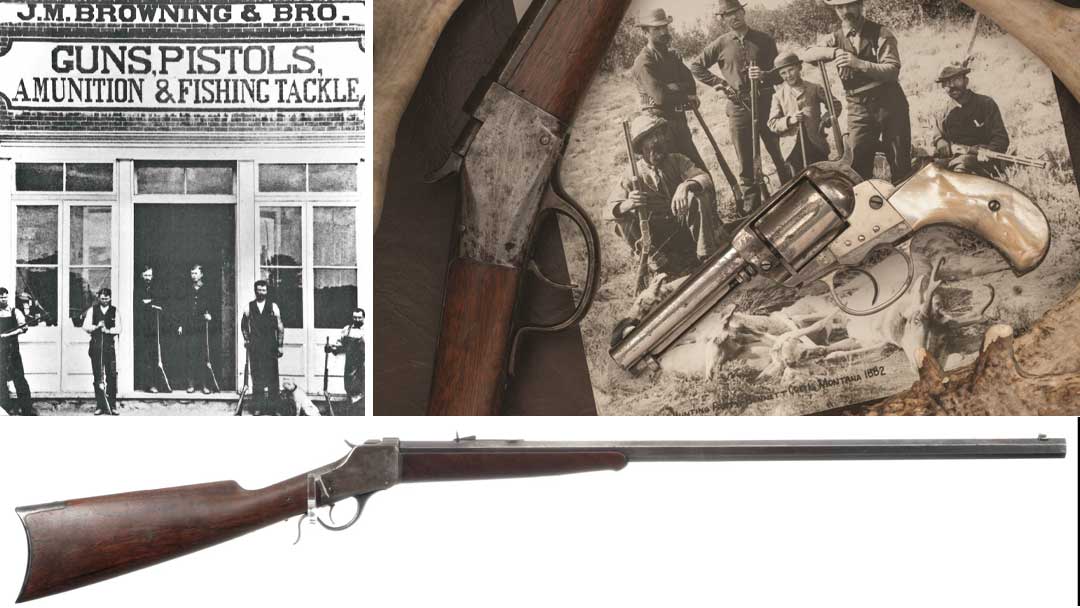
Other viable options for classic 19th century single shot rifle designs suited for deer hunting include the classic Winchester Model 1885, the first firearms designed by legendary gunsmith John Moses Browning, the classic Remington Rolling Block, the Stevens falling block rifles, and one of my favorites: the Ballard. Ballards were used in the Civil War and remained popular in the late 19th century. John Marlin and the Marlin Firearms Co. produced the Ballard in a wide variety of variations.
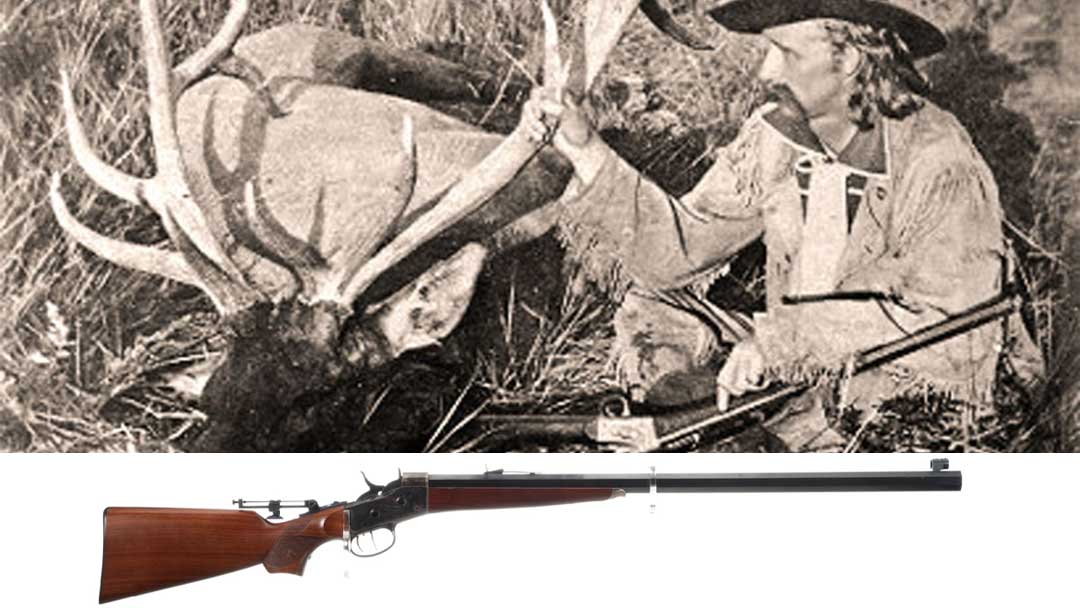
With their frontier styling, the No. 5 Pacific and No. 5 ½ Montana single shot rifles have always interested me. Originals can be hard to come by although Rock Island Auction regularly has some available, sometimes including custom-rebuilt rifles with like-new bores and excellent reproduction from companies like Wyoming Armory and Ballard Rifle & Cartridge Co.
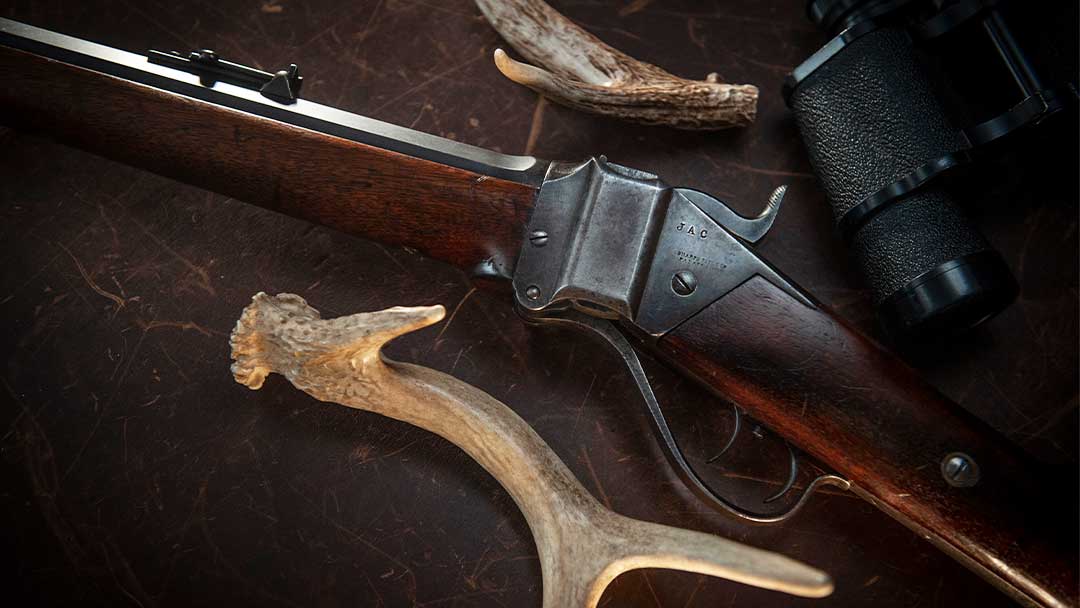
Lever Actions as Single Shot Rifles for Deer Hunting in Illinois?
The new rulings for Illinois deer season in 2023 only allow for single shot rifles, BUT I can still shop for a new lever action because the law also allows for repeating rifles modified to be single shot only such as by “removing internal magazine springs and followers, using a plug to block the magazine tube,” or other similar modifications.
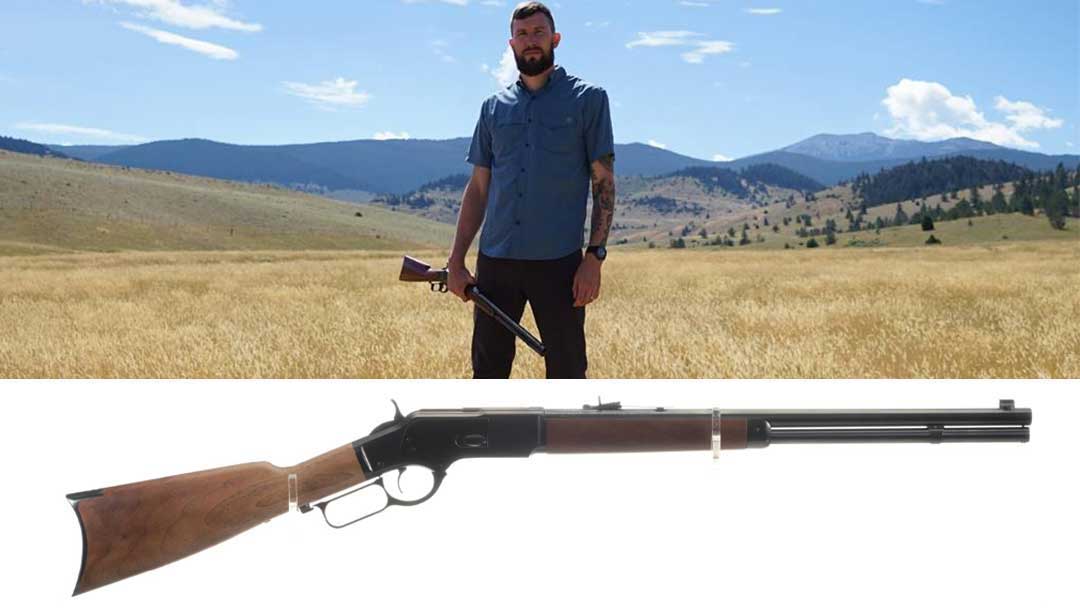
The rules do not allow you to have the gear on you to quickly turn it back into a repeater, so if I say get an Uberti Model 1873 in .45 Colt, I’d have to leave the follower and magazine tube spring at home while out hunting, but I could switch it back fairly easily. Bolt action rifles would be even easier to use if they have magazines that can be removed and/or replaced with single shot “sled” magazines.
I’m far more interested in a classic lever action than a bolt action hunting rifle. I’ve owned and shot bolt guns over the years, but the classic lever guns are more up my alley, probably because of all the time I spent watching Silverado as a kid (still my favorite western). Who can forget Danny Glover duel wielding his “Henry” rifles?
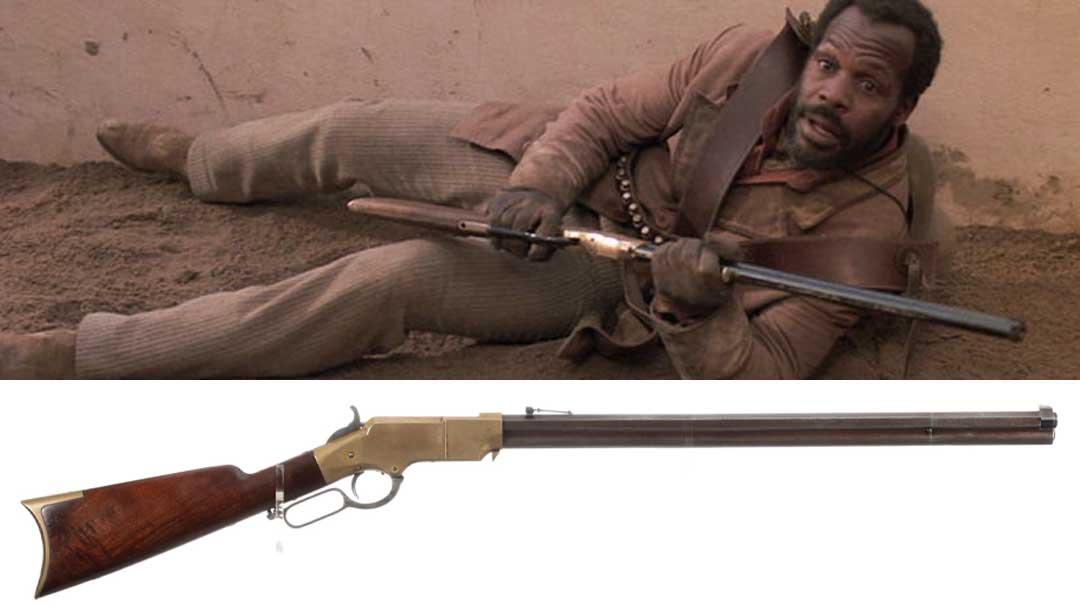
There are a lot of original and reproduction classic lever actions available today. While Marlin has made some nice rifles over the years, I’m still partial to Henrys and Winchesters. Under the 2023 ruling for Illinois deer hunting, using an original Henry is off the table, but a Henry by Uberti or the Henry Repeating Arms Co. is definitely an option. Removing the magazine spring is easy with a Henry which would convert it to a single shot.
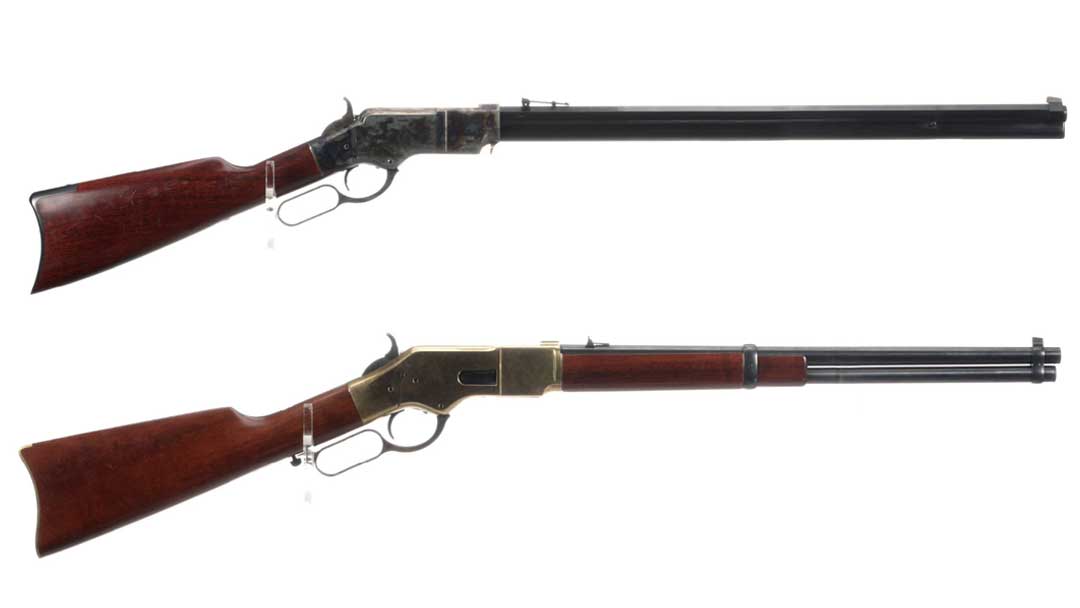
In addition to a Henry, a Winchester Model 1873 is at the top of my list for lever actions. My ideal ‘73 would be a rifle in .44-40 with a 24 inch part octagon or full octagon barrel, traditional iron sights, a pistol grip stock, and a crescent buttplate. Though available, an original might be hard to justify to my wife for deer hunting, but I’ve seen several Uberti’s here that fit the bill, and they are fine-looking rifles that shoot well.
20th Century Single Shot Rifles for Illinois Deer Hunting
If you are more of the practical type or if you prefer a scope on your deer hunting rifle, many of the late 20th century and new single shot rifles are already set up for scope mounting. Harrington & Richardson’s break action single shot rifles were very popular and affordable options in the past, Thompson Center Encore rifles remain popular, and the Henry Repeating Arms Co. continues to offer utilitarian single shot rifles in a variety of calibers.
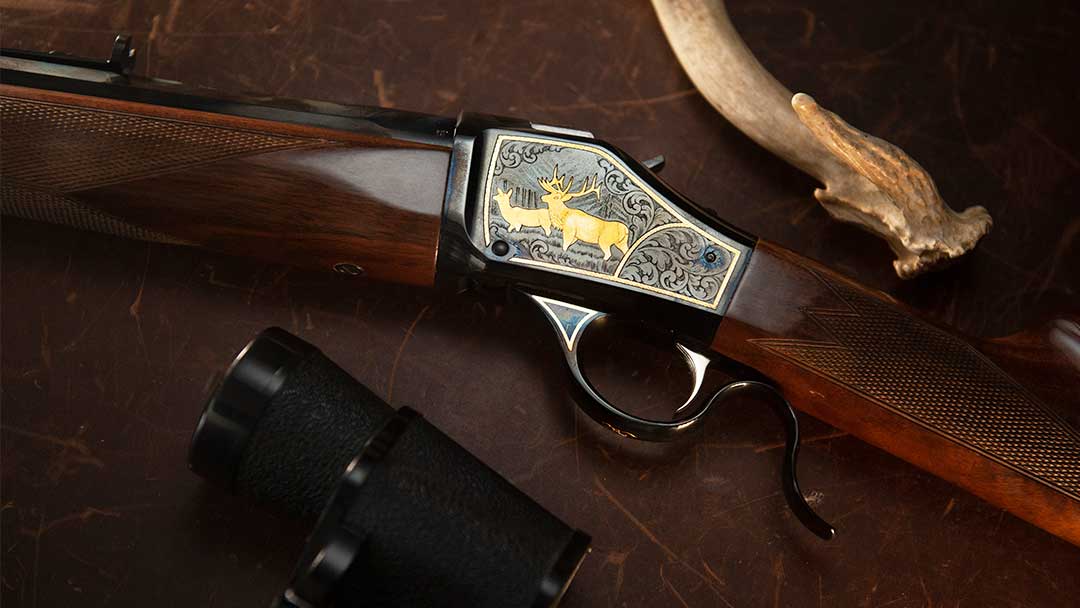
If looking for something fancier and with some classic 19th century styling for deer hunting season, the Ruger No. 1 would definitely fit the bill. It has been made in many calibers over the years, including several that are legal for deer hunting in Illinois in 2023.
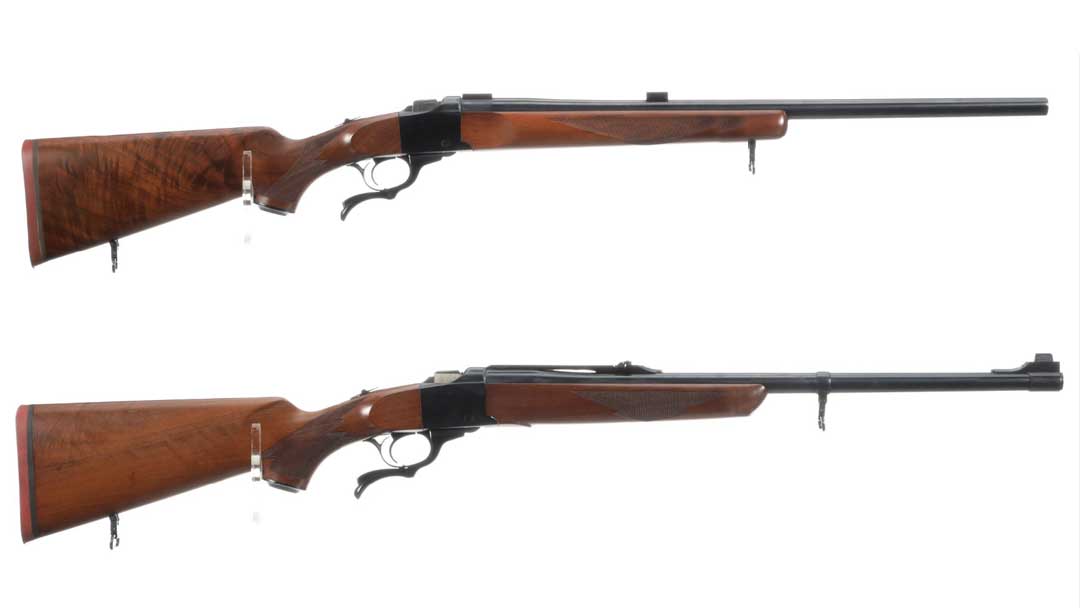
If you are in the market for a new hunting rifle, check out our upcoming auctions. We have the originals like the Kentucky rifle and Winchesters as well as classic hunting rifles of the 20th century plus modern favorites. At Rock Island Auction we are sure to have a rifle for hunting anything on the continent from squirrels to bison.

Buying and Selling a Single Shot Rifle
Rock Island Auction Company is the world’s leading auction house for antique and collectible firearms. Any given sale may include many different single shot rifles over varying ages from early antiques to modern-day masterpieces by contemporary artisans and even more affordable factory-built options that are great for learning to shoot and hunt.
Subscribe to the Rock Island Auction newsletter to receive new gun blogs and gun videos every week on all things firearms. We offer topics ranging from antique gun values and antique gun collecting tips, early lever action guns like the Volcanic repeater and the Spencer carbine, articles on muzzleloading communities like the NMLRA, and pieces that focus on famous vintage gun genres featured in popular films such as the Last of the Mohicans and True Grit.

Senator Kennedy Classified ‘UFO’ Briefing Today

On Tuesday, congress received a classified briefing on the numerous objects that have been shot down over the last week after penetrating U.S. airspace. Pentagon officials announced Sunday that an object floating over Lake Huron was shot down, becoming the fourth object to be shot down by the U.S. Air Force since Biden ordered the military to take out a so-called Chinese surveillance balloon that had traveled across the United States earlier this month.
During the classified briefing lawmakers were told the first balloon was different from the other three objects.
After walking out of a classified briefing today on UAP/UFO activity over the United States, Senator John Kennedy oddly told reporters that his take away was that people should “Lock your doors tonight”.
They really seem to be going into overdrive to push the next wave of fear campaign!
Kennedy went on and claimed the so-called UFOs have been flying over U.S. for years but only in the last two weeks has the government begun shooting them down. He also admitted that the government still has not recovered whatever it is they shot down. He demanded the White House comes clean on what they know.
“We can’t find the remnants, except for the spy balloon,” Kennedy told reporters. He said the debris from the downed objects fell in “very difficult terrain” where low temperatures and weather has hindered U.S. and Canadian retrieval teams. “The only thing I feel confident saying right now is that if you are confused, you understand the situation perfectly,” Kennedy said.
The Full Press Statement
Sen. Tom Cotton, R-Ark., told reporters that Biden should directly address the American people about what’s happening.
“So, as usual, we had another classified briefing in which we learned nothing that I didn’t already know. As a member of the Intelligence Committee and Armed Service Committee over that matter, that one couldn’t learn from reading your newspapers and watching your news channels,” Cotton told reporters. “That’s why I want to stress again, President Biden owes the American people an explanation. President Biden should speak on camera directly to the American people today.”
What are UAPs?
An unidentified flying object (UFO) was recently renamed by US officials as an unidentified anomalous phenomenon (UAP). In October 2022 NASA selected 16 people to participate in its independent study team on unidentified anomalous phenomena (UAP). Observations of events in the sky that cannot be identified as aircraft or as known natural phenomena are categorized as UAPs.
According to NASA, Unidentified anomalous phenomena are of interest for both national security and air safety and the study aligns with one of NASA’s goals to ensure the safety of aircraft. Without access to an extensive set of data, it is nearly impossible to verify or explain any observation, thus the focus of the study is to inform NASA what possible data could be collected in the future to scientifically discern the nature of UAP.
The NASA official responsible for orchestrating the study is Daniel Evans, the assistant deputy associate administrator for research at NASA’s Science Mission Directorate. As previously announced, the independent study team is chaired by David Spergel, president of the Simons Foundation.
“NASA has brought together some of the world’s leading scientists, data and artificial intelligence practitioners, aerospace safety experts, all with a specific charge, which is to tell us how to apply the full focus of science and data to UAP,” said Evans. “The findings will be released to the public in conjunction with NASA’s principles of transparency, openness, and scientific integrity.”
Are the media and the U.S. government Pushing a UFO storyline?
At least four so-called Unidentified flying objects have been shot down over the last week as airspace throughout the United States and Canada is reportedly being closed down to track what the media insists on calling UFOs. But how the hell did we get from Chinese spy balloons to the media seemingly trying to push the start of an alien invasion?
Read our full article and analysis and how we predicted this was coming here.
Review: Nitecore NU33 | Jerking the Trigger
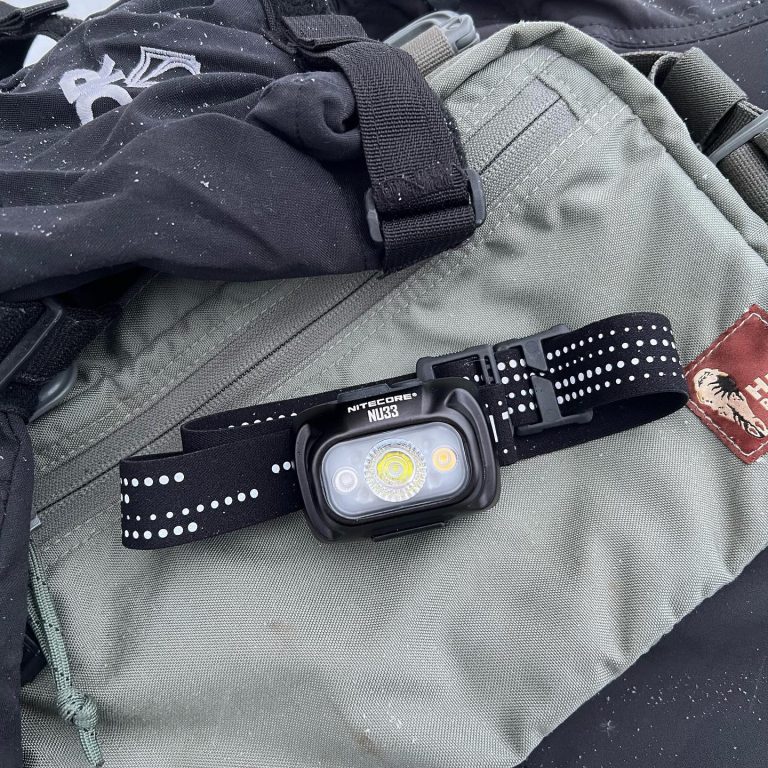
I have a long history with the NU series of headlamps from Nitecore. I have used a number of them, carry one daily in the winter, and have written about them on these pages before. When I was given the chance to check out one of the newer lights in the series, the NU33, I jumped at the chance.
Nitecore’s NU series of lights are all defined by a number of features and design elements. They feature integral USB rechargeable batteries. The lights are generally compact and lightweight while also featuring multiple outputs and, often, multiple types of outputs like white, high CRI, red, etc. They also tend to feature well-thought-out user interfaces. The NU33 checks all these boxes.
Overview
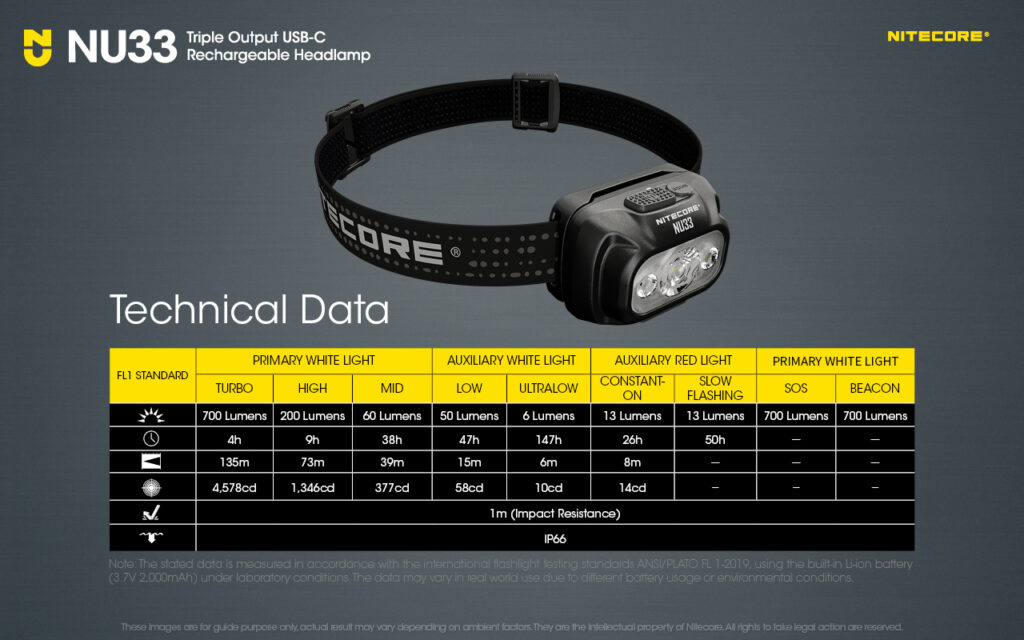
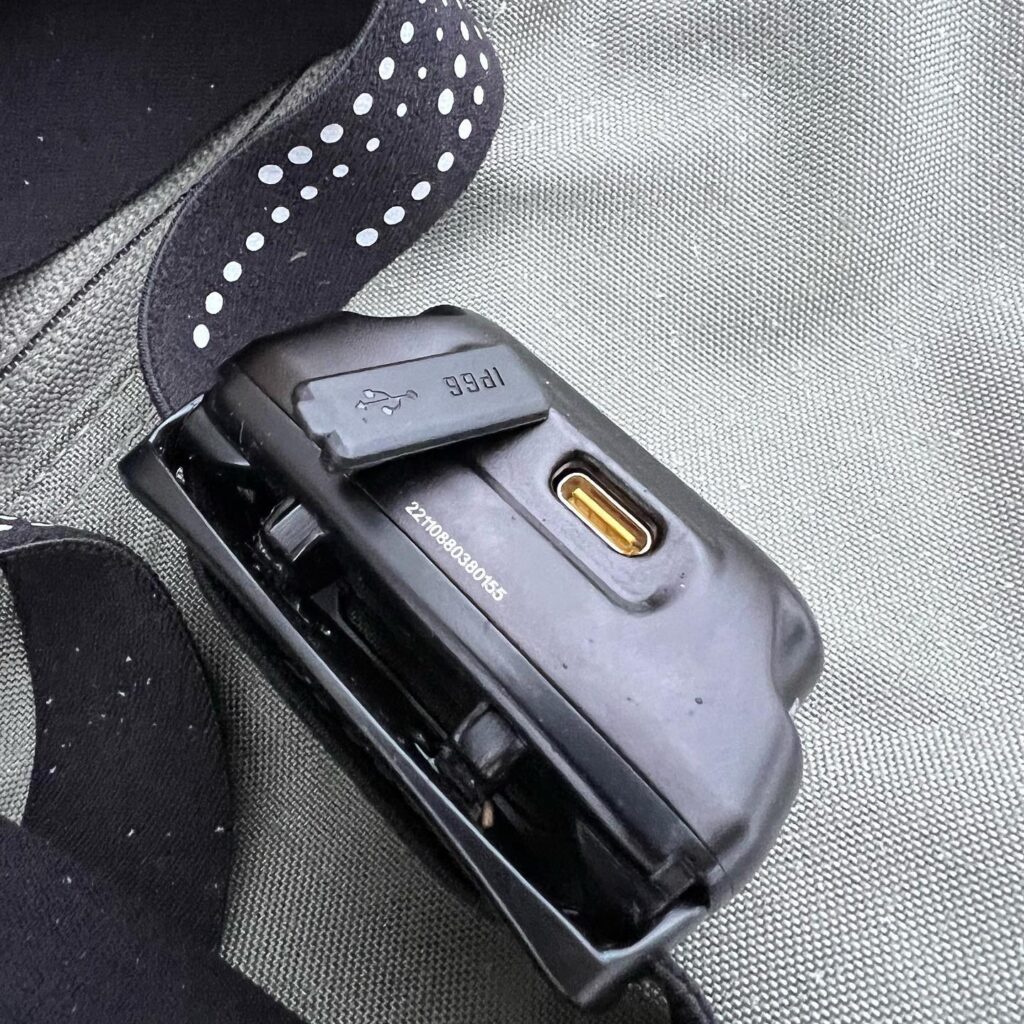
The NU33 weighs in at just 3.38 ounces on my scale. This weight includes its aluminum outer construction and integral 2000 mAh lithium battery. It is USB-C rechargeable which is a VERY welcomed change over previous headlamps in the NU series with Micro USB charging. It features three different lighting options: a central white LED, auxiliary high CRI white flood light, and red LED light. Outputs and runtimes are included in the image below.
Observations from Use
I’m not going to share charts, graphs, and pictures of light spots on white walls. Those things can be valuable but I don’t think they will tell the story of just how practical this light is. This light is not flashy in terms of lumen stats but it is exceedingly useful. The care that Nitecore put into making this light easy to live with is impressive.
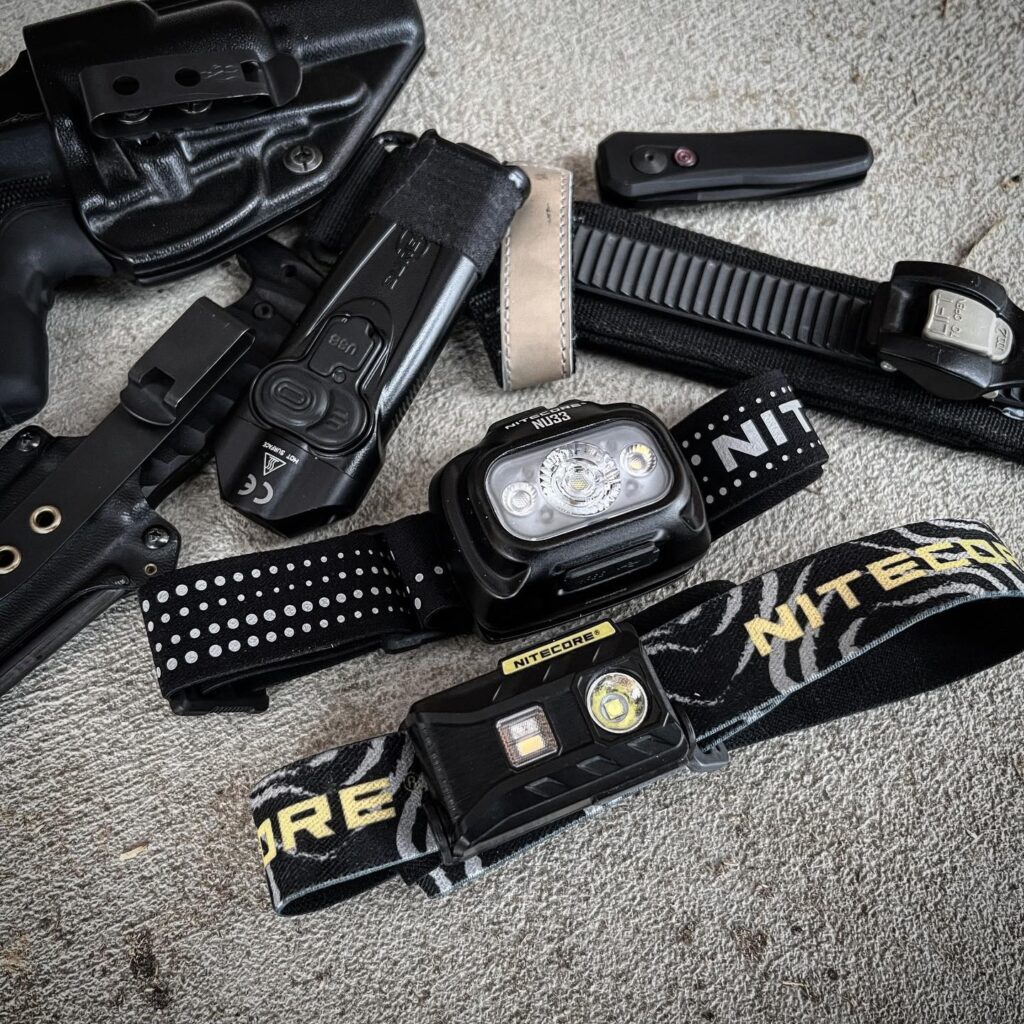
First of all, check out those runtimes. Nitecore was somewhat conservative with outputs in favor of runtime. As someone who uses a headlamp daily in the winter, I appreciate that. The main white light, in low mode, will provide 60 regulated lumens for a staggering 37 hours dwindling to about 38 hours according to the runtime graphs provided in the manual. To put that in perspective, it wasn’t that long ago that most headlamps topped out at 60 lumens and we were thrilled with that. It is very useful amount of light for a very long time.
Those lumens are made even more useful by the design of the lens/diffuser that Nitecore uses. It provides a perfectly smooth hotspot that throws well while illuminating a large area. Cleverly, the entire face of the light acts like a diffuser so that you have a light cast over a very wide area as well. This means that even with the light angled high to look as far ahead as possible, there is still light being cast at your feet. I have never seen another headlamp pull off this combination of hotspot for distance and diffused light for area lighting so well.
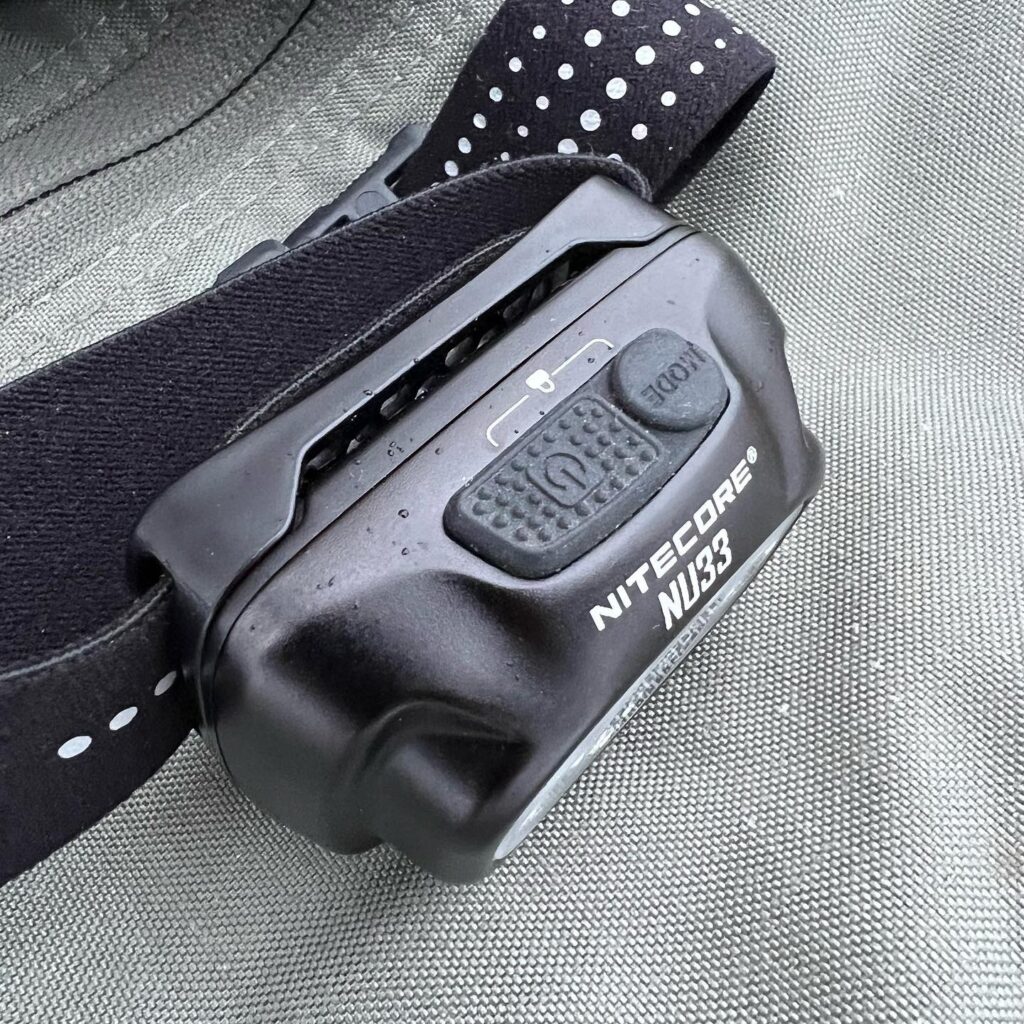
The auxiliary light modes, high CRI and red, are both useful. That usefulness is maximized by the fact that they are both directly accessible when the light is off meaning there is no need to cycle through the brighter modes, which is a truly great feature of a great UI.
The high CRI light is a feature that I grew to love on my NU25. It’s floody, with no hotspot, very easy on dark-adjusted eyes, and it renders colors faithfully which is handy for tasks like map reading. Best of all, it comes on at a nice, easy-on-the-eyes 6 lumens but can be bumped up to 50 lumens. I can tell you from experience that the low mode is more than enough to walk a dark trail or navigate a dark room and you can do this for 147 hours!
The red light could stand to be a little dimmer to be truly useful but it is available directly from “off” which is great. The red LED also offers a flashing mode which could be useful for those who intend to use this for early morning runs where you might be using this headlamp to be visible to drivers more than to see where you are going.
Switching back to discussing the main white light, the spacing on the 60, 200, and 700 lumen modes is excellent with each offering a large step up in brightness and also balancing run times. The 200 lumen setting is perfect for most uses with a generous 9 hour runtime. The 700 lumen mode has enough punch to really look a long way up the trail while still offering 4 hours of runtime which is noteworthy in a world where most lights offer a high output mode that runs for only about an hour. This sort of well-balanced separation between modes is easy to get wrong but Nitecore nailed it.
The front portion of the NU33’s case is made from anodized aluminum. This is nice for both durability and conducting heat away from the light. The body of the light is fairly compact considering the size of the battery that it houses which makes this light easy to carry and easy to wear. I also think Nitecore has improved the bracket design versus previous lights in the NU series like the NU20 and NU25 which have somewhat fragile brackets.
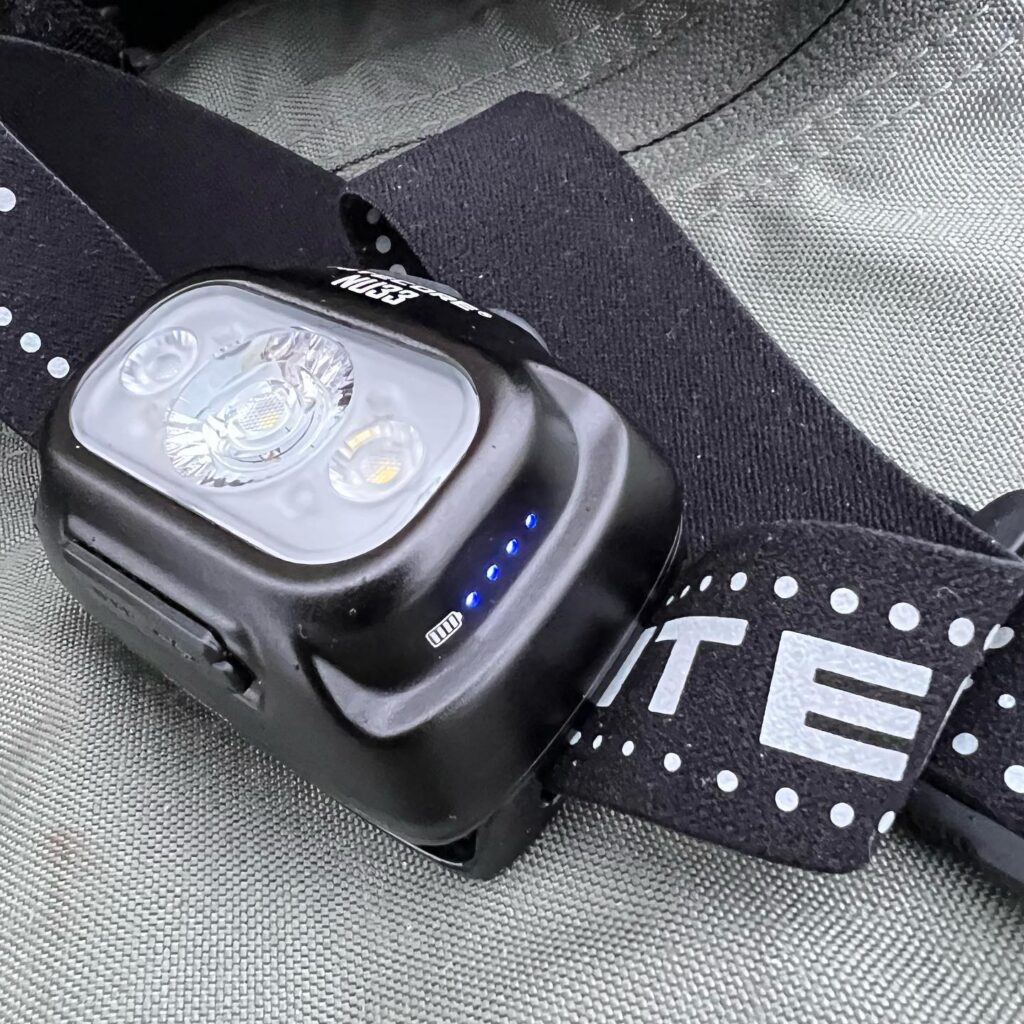
Previous offerings in the NU series of lights had battery meters but they weren’t as easy to use as the improved meter found on the NU33. Now, instead of having to count dim flashes, the battery level displays on a simple four level LED readout. It is far more foolproof.
I am gushing so far but there are improvements that could be made. For instance, many of the NU series headlamps have a clever silicone rubber bead applied to the inside of the head strap. This prevents sweat from dripping down and helps the strap really lock in place. This feature is curiously missing from the NU33 and I miss it. In addition to my gripes with the red light being too bright, I find it annoying that the light flashes brightly when locking the buttons to prevent accidental activation though I do appreciate that Nitecore provides an option to lock the switches to prevent accidental activation in a pocket or pack.
Wrap Up
I was already a fan of the NU series of headlamps and this NU33 has solidified my love of these lights. It takes everything that was great with the previous NU series lights and makes improvements to the UI, charging interface, and construction. It also offers excellent, useful modes that are well-spaced and easily accessible. Best of all, it goes hard on useful outputs with useful runtimes rather than chasing impressive lumen claims to print on the box.
This is a truly excellent headlamp that retails under $50!
Learn more at Nitecore.com
Purchase at NitecoreStore.com or Amazon
Collectible Firearms for Serious Gun Collectors

With a small professional military of less than 1,000, since the British previously had provided the defense until the 1860s, the newly formed Dominion of Canada relied on militias.
Militias were called on in 1885 to put down the North-West Uprising with the assistance of a Connecticut National Guardsman with a Gatling gun. When the United Kingdom fought the Boer War in 1899, more than 7,000 Canadians volunteered. When World War 1 broke out, the United Kingdom fought again, this time alongside the Canadian Expeditionary Force of 600,000.
In the early days of World War 1 when invasion by Germany was feared, militias took on the role of home guards, ready to defend the homeland. One of those militias, the Montreal Home Guard, ordered Savage 1899 lever action muskets. A few years later the gun would be designated the Savage 99.
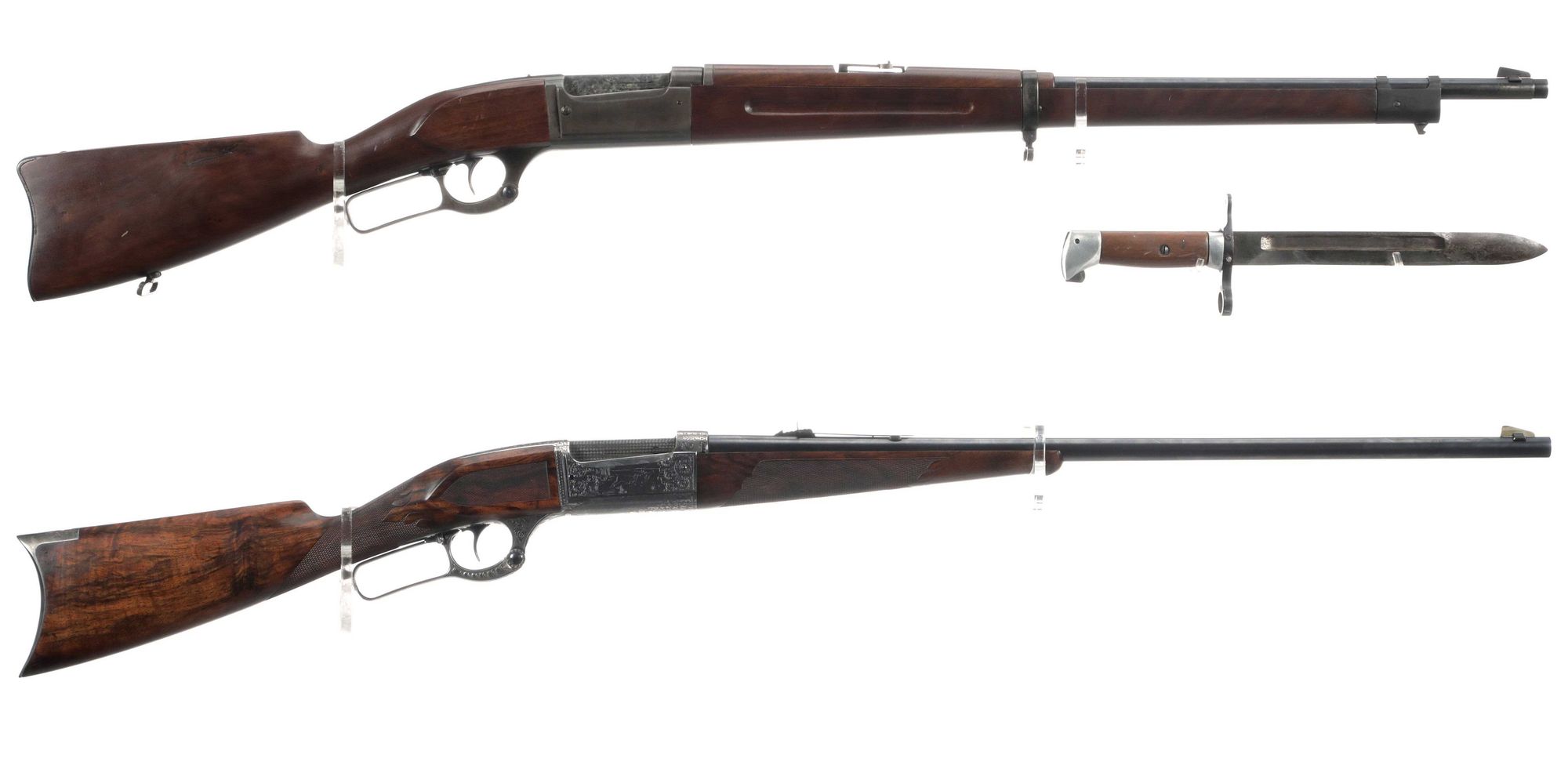
A Savage 1899 musket with a matching bayonet manufactured in 1915 and delivered to the Montreal Home Guard is on offer in Rock Island Auction Company’s Feb. 14-17 Sporting & Collector Auction.
Who Gets the Savage 1899?
Militias were popular in Canada at the dawn of the 20th century, but took on the appearance of social clubs at times. They offered events and extra-curricular activities like rifle associations with sponsored meets, bicycle corps, boxing clubs, and bands. A militia, the Victoria Rifles, bought the first Maxim gun for Canadian military use.
Militias provided “a clear affirmation of manliness” as gender roles were changing in the workplace, wrote historian Carman Miller. They also upheld a separation of the haves and have-nots as those who couldn’t afford the required equipment were quickly cut from activities, both martial and social.
It was into this environment that the Montreal Home Guard existed. The Montreal Home Guard was affiliated with the Quebec Savings and Trust Co. in Montreal with members ranging in age from 40 to 70, past military age. As fears of Germans reaching Canada’s shores increased, the members of the Montreal Home Guard had to be prepared. They could provide their own rifle or buy a Savage 1899.
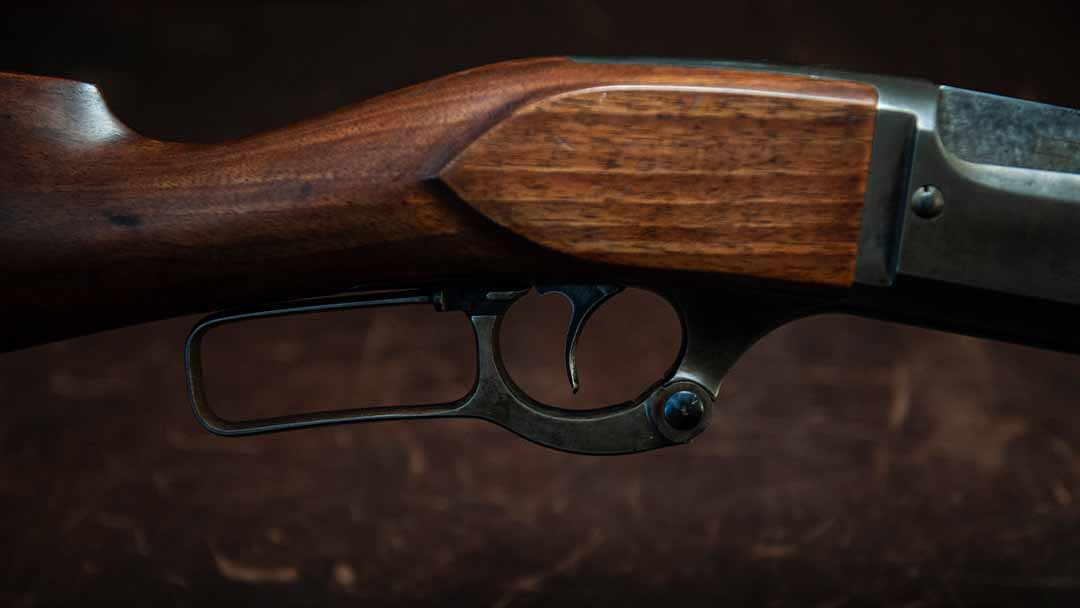
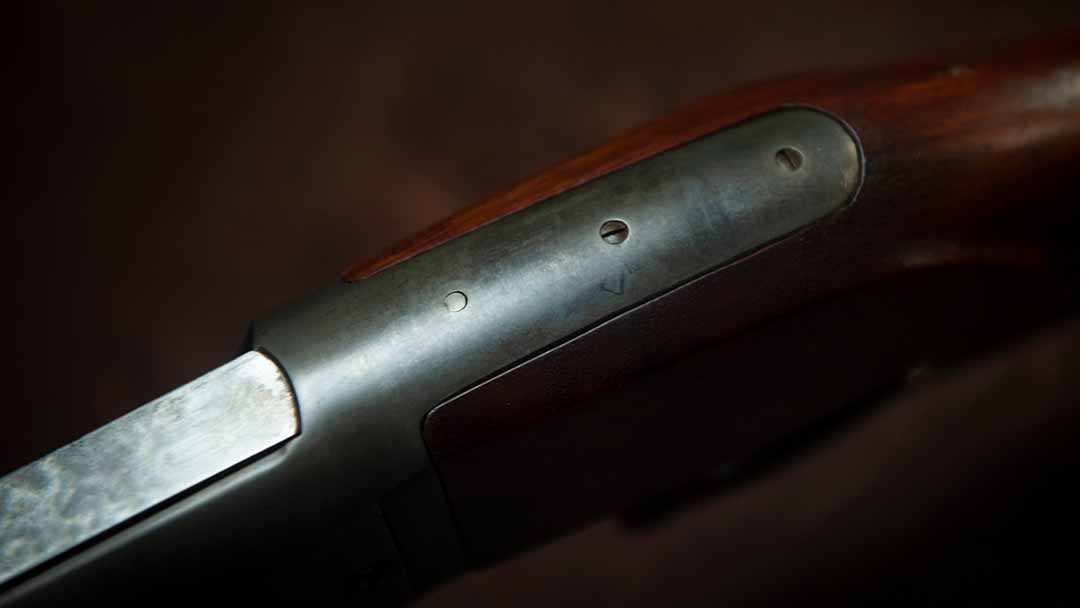
Members’ cost for a Savage 1899 musket, bayonet, and uniform was $35. Montreal Home Guard Savage 1899 muskets were stamped with the member’s name into the buttstock or engraved on the receiver. The owner’s number or purchase number must also be stamped into the butt plate to recognize it as a Montreal Home Guard Savage 1899. Between 800 and 1,000 rifles were likely shipped to the home guard, as records on the size of the shipment vary.
The Savage Montreal Home Guard musket is, of course, not a muzzleloader, but like the Winchesters that preceded it, instead refers to a factory configuration. Similar to Winchester muskets they were primarily determined by barrel length and the resultant changes to the stock and hardware. However, while commercial Savage Model 1899 muskets came with 28-inch barrels, those for the Canadian militia were equipped with the same 26-inch barrel as their standard sporting rifle counterparts. The Canadian “musket” Model 1899 featured an elongated forend (with finger groove) that ended in a metal cap with bayonet lug just a few inches from the muzzle, a hand guard on top of the barrel, and barrel band to bind the two together.
Behind the Savage 1899 and Savage 99
Arthur W. Savage was many things in his life: coffee plantation owner, cattle rancher, automobile and railroad investor, entrepreneur, and inventor. Inventing firearms is where he found his passion. He saw the importance and advantage of the newer smokeless gunpowder and designed guns that could withstand the pressures of the new propellant. Coming at the end of the lever gun renaissance, Savage developed the Model 1892 rifle, the first hammerless rotary magazine rifle. Without a visible hammer, the rifle provided a streamlined appearance. Savage presented it to the U.S. Army for adoption but lost out to the Krag-Jorgensen 1892.
Savage founded the Savage Firearms company in 1894, and he made improvements on his rifle, introducing the Model 1895. Two years later, the company was incorporated. The Savage 1899 built on the previous two models with the most notable changes being a squared off breech block and a cocking indicator. It was known for its reliability and for its revolving magazine that could hold 5+1 cartridges. The company offered to convert the Model 1895 into the Savage 1899 with a new breech-bolt, hammer indicator, sear, firing pin, hammer, extractor, and retractor for $5. A new Model 1899 was priced at $20.
Because it didn’t use a tubular magazine, the Savage 1899 could fire more aerodynamic spitzer rounds that were faster and flatter shooting, making the gun popular with hunters. Other lever action rifles had to use more blunt or flat-nose bullets in their cartridges to avoid accidental discharge because the tubular magazines put the bullet head against the adjacent bullet’s primer. The Savage’s sturdy receiver was also stronger than other lever gun designs and could handle higher pressures. It even featured a cartridge counter and cocking indicator. It’s a wonder it never surpassed the more established lever actions in the market.
Savage also tried to convince the state of New York to adopt the Savage Model 1899 for its National Guard, but was turned away again courtesy of New York politics (and a complaint from Winchester) which sent their soldiers to the Spanish-American war armed with Springfield Trapdoor rifles. The Montreal Home Guard was the only quasi-military organization to accept the Savage Model 1899. Arthur Savage sold his firearms business in 1905.
In the military trials of 1907 when the Army wanted to adopt a new handgun, Savage went up against Colt and four other gun makers. The companies were to provide 200 pistols each that were tested by the cavalry in 1908 and 1909. In 1911, the board convened for selecting a pistol, chose Colt and the legendary M1911 was born, leaving Savage to ponder another lost government contract.
Savage 1899 becomes Savage 99
During the world wars, Savage was part of the industrial war machine. During World War 1, Savage manufactured the Lewis machine gun for the United States, Canada, and the United Kingdom. Called on when demand for the Thompson submachine gun rose at the start of World War 2, Savage manufactured more than 250,000. The company made 2.5 million firearms during the world wars. Shortly after World War 1, in 1920, the company changed the gun’s designation from the Savage 1899 to the Savage Model 99 simply to be more modern.
In the years after the Great War, many of the Montreal Home Guard muskets were sporterized with shortened forends and the hand guard removed. The rifle lugs of the accompanying bayonets were ground off to convert them to hunting knives. That makes the Montreal Home Guard Savage available in the February Sporting & Collector Auction a scarcity for being intact and still accompanied by its bayonet.
Initially chambered in .303 Savage, by the end of its run 100 years later, the Savage Model 99 had been manufactured for more than a dozen different cartridge sizes. Small technical changes were implemented over the years, like a detachable magazine, varying sights, and receiver changes. The Savage 99 was produced in twenty-eight different versions, from a saddle-ring carbine to a military musket. It continued to be shipped until 2003.
Arthur Savage went west to pursue other business opportunities, among them oil speculating, gold mining, and growing oranges, but failed to find success. He founded a successful tire company and submitted the earliest U.S. patent for the radial tire. Still, the radial tire didn’t find widespread popularity until the late 1960s, well after Savage’s death on September 22, 1938, at the age of 81.
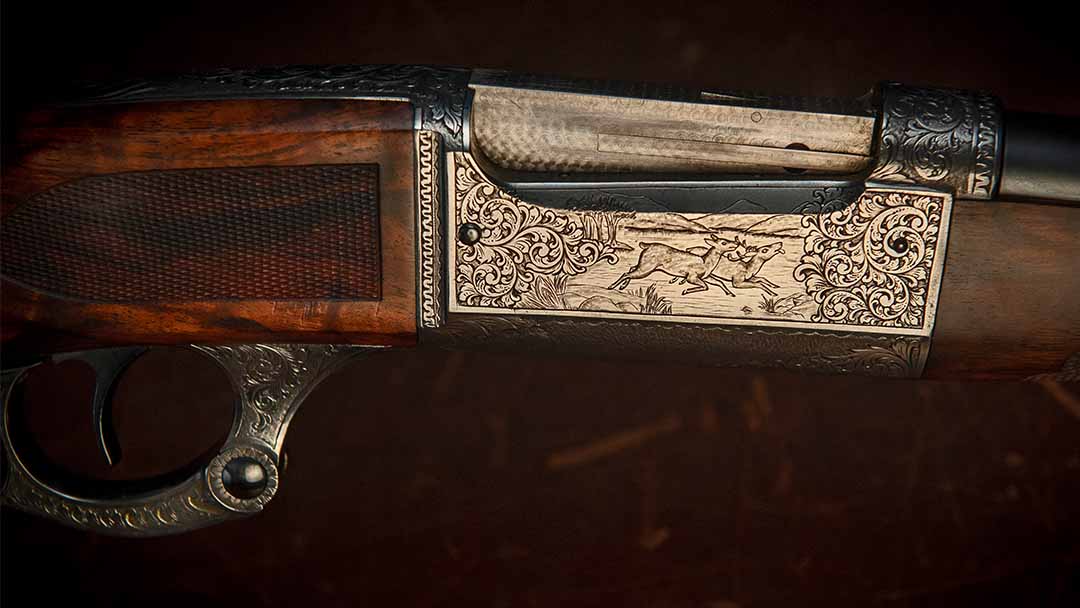
Savage 99 for Sale
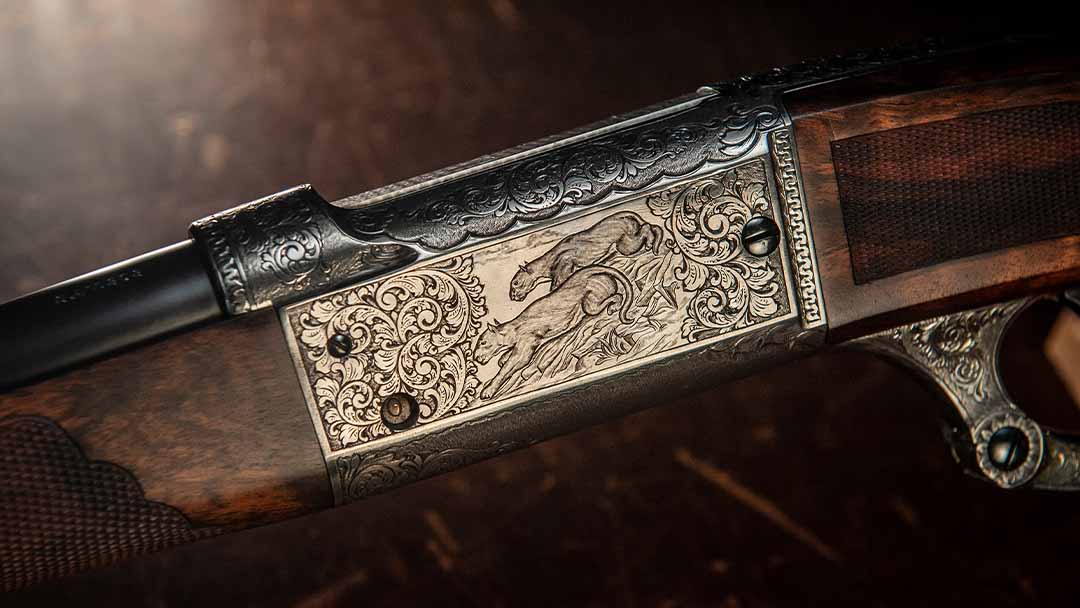
The rotary magazine rifle, Savage Model 1899 or, later, Savage Model 99, came on the heels of the lever action guns of the 19th century but found popularity that would sustain it into the 21st century. Beautifully engraved Savage 99 models have realized well into six figures at Rock Island Auction Company.
The Montreal Home Guard Savage Model 1899 available in Rock Island Auction Company’s Feb. 14-17 Sporting & Collector Auction offers a sweet maple syrup hint of Canadian history along with the opportunity to obtain a rare, early, and intact version of this interesting and popular firearm in its original configuration.
Sources:
‘Savage & Stevens Arms Collector’s History,’ by Jay Kimmel
‘The Ninety-Nine, A History of the Savage Model 99 Rifle,’ by Douglas P. Murray
‘The Montreal Home Guard,’ by Joe Koprash, Savage Shooters
‘The Savage Musket,’ by James R. Johnson
‘Review: Savage Model 99,’ by Craig Boddington, Guns and Ammo
Mass Shooting at Cielo Vista Mall in El Paso, Texas

At least four people have been shot, one fatally, in the vicinity of the food court and Dillard’s at Cielo Vista Mall in East El Paso, Texas.
“We have one person in custody. We do believe there could be one outstanding. That’s why the extensive search of the mall is being done right now,” said Sgt. Robert Gomez of the El Paso Police Department. “It was chaotic. People did flee. They were scared,” said Gomez.
The incident happened just after 5 p.m. on Wednesday when gunfire erupted in the food court at the Cielo Vista Mall. Police did not comment on a possible motive, but witnesses are claiming it was gang related.
Are you Prepared for the next Active Shooter Situation?
As I’ve pointed out in my book, The Ultimate Situational Survival Guide: Self-Reliance Strategies for a Dangerous World, these mass shootings and gang attacks are becoming an everyday occurrence in this country.
The Ghettoization of our culture is one of the biggest threats we face! If you are not preparing for social unrest, YOU ARE NOT PREPARED!


2022 OC Tactical Christmas Stocking

The OC Tactical Christmas Stocking isn’t a typical “tactical” stocking that is just something stocking-like but festooned with webbing, Velcro, and a drag handle. OC Tactical’s Christmas stockings are handmade from a rare, hard-to-find, or historic camo material, making a true collector’s item. The 2022 stocking is made with original, experimental DG3 Camo Fabric which one of several DG3 versions in the NSW program that eventually led to the AOR and current NWU patterns.
https://stores.octactical.com/dg3-camo-christmas-stocking/
Collectible Firearms for Serious Gun Collectors

The mighty 10 gauge shotgun is the largest and most potent legal waterfowling gauge in the United States today. Before the invention of smokeless powder, the 10 gauge side-by-side found favor with hunters, shopkeepers, and those tasked with defending stagecoaches and trains. Why did the 10 gauge fade from prominence, and how common is its current use?
What is the 10 Gauge Shotgun?
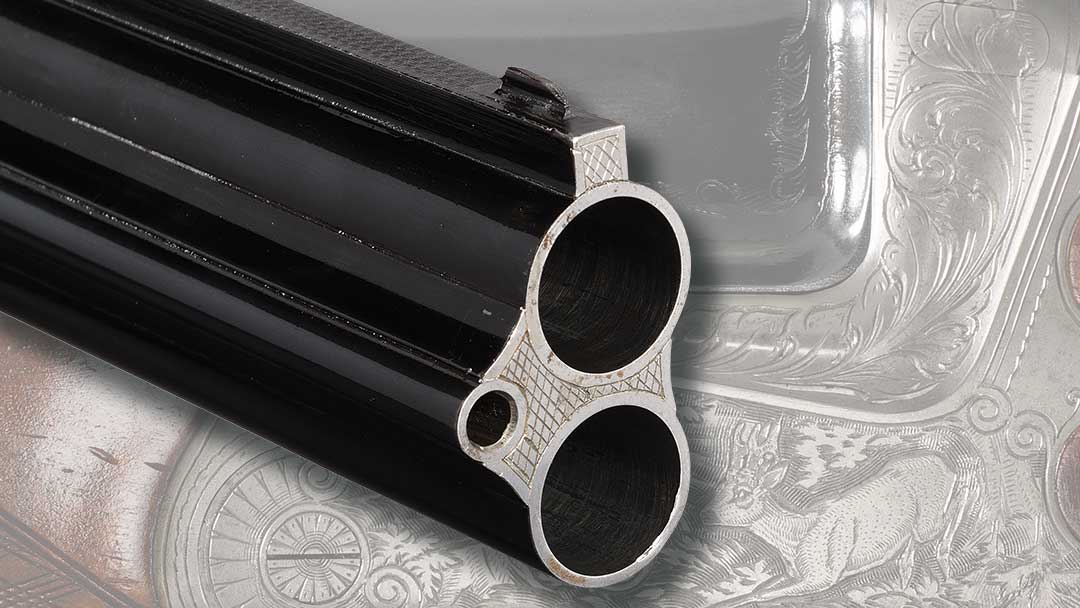
A 10 gauge shotgun refers to a scattergun with a bore diameter of about .775 inches before any chokes. The measurement system for shotgun gauges dates to at least the 18th century and referred to the number of bore-sized round balls that could be made from a pound of lead. The smaller the gauge, the wider the bore. For example, if twelve identical round balls were made from a pound of lead, the diameter of one ball would be used as the measurement for the barrel’s diameter and called 12 gauge. Similarly, ten 10-bore round balls would come from a pound of lead. Today, the 10 gauge is the largest bore shotgun publicly available in terms of size and chambering for which shells are still commercially manufactured.
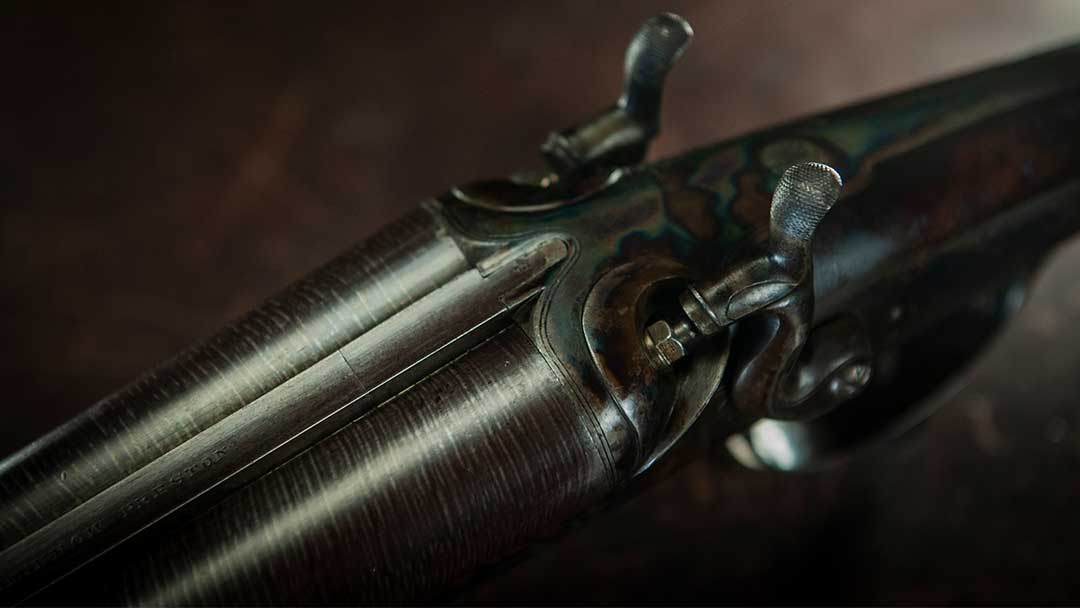
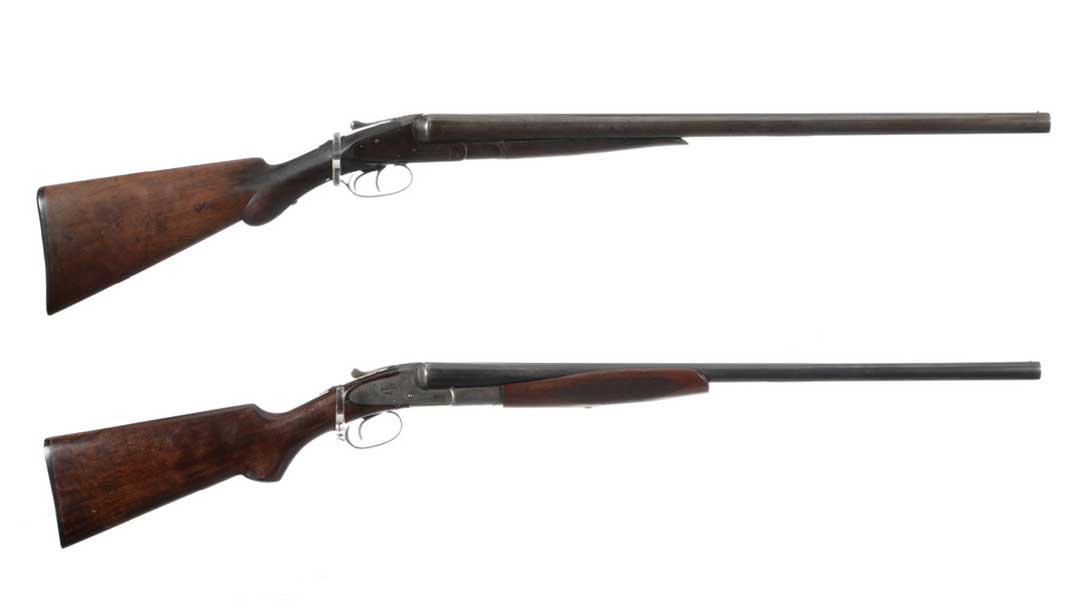
In many ways, the 10 gauge could be called the predecessor to all modern shotgun gauges, including the 12 gauge shotguns that dominate the current sporting market. The 10 gauge shotgun has been offered in every action available as the shotgun has evolved, from the flintlock muzzleloader, the break action double guns favored across the Wild West, the lever action, the pump, the over/under, the autoloader, and the somewhat obscure bolt action shotgun.
Reign of the 10 Gauge Shotgun
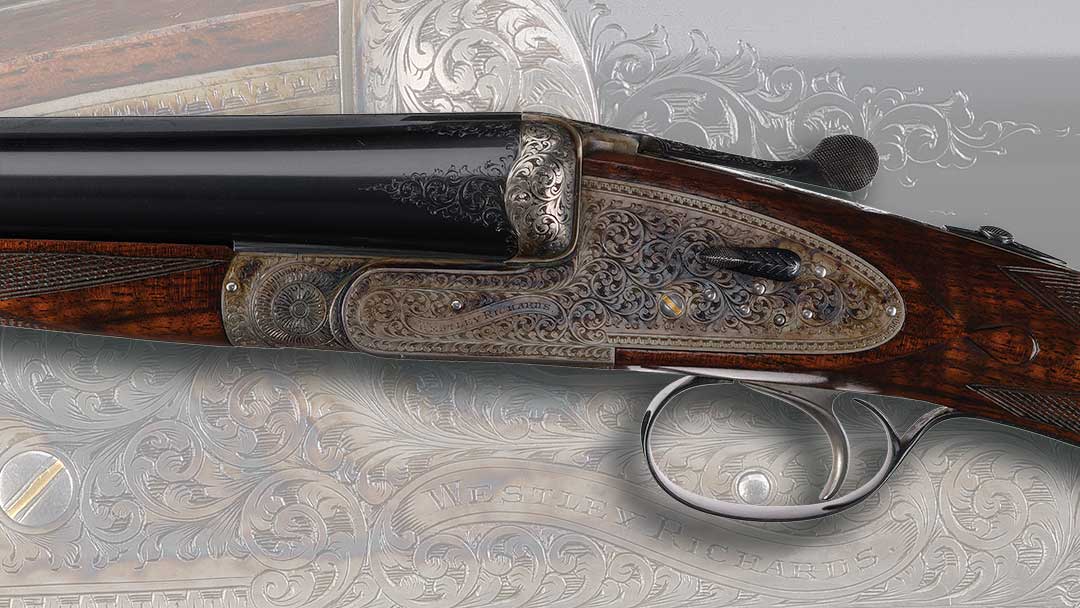
By the time of the first cartridge side-by-sides in the 1860s, the 10 gauge shotgun had cemented itself as a versatile option for deer hunting, wing shooting, and close-quarters combat. In the American West, English imports from manufacturers like J. Purdey, W.W. Greener, and Westley Richards dominated the market, though American models like the Remington-Whitmore 1874 and the Colt Model 1878 gained a sizable footing.
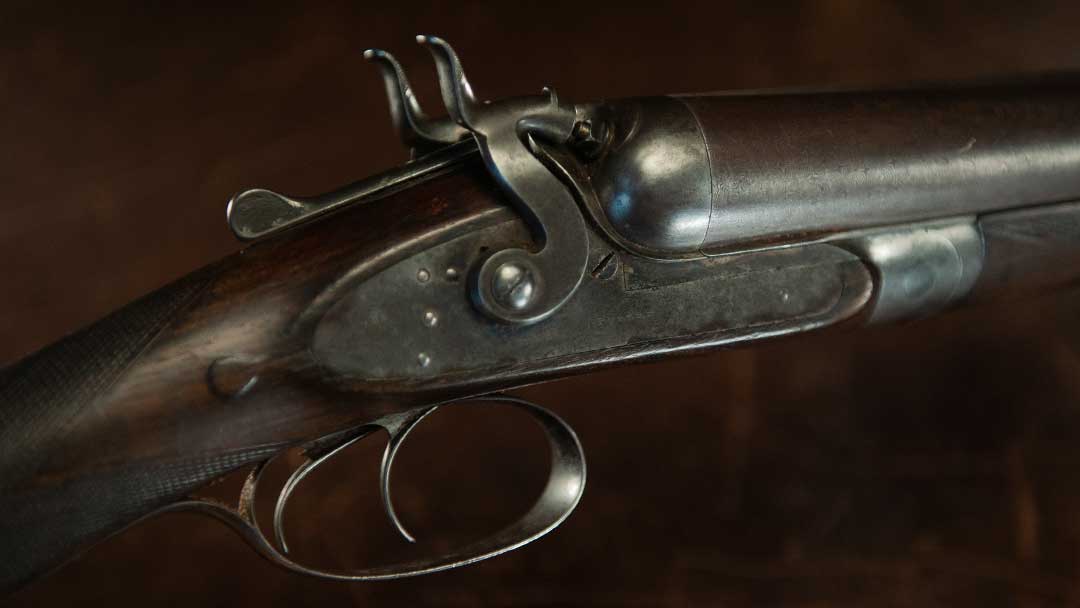
When it came to guarding wagons and stagecoaches against the highwaymen who plagued the lonely roads and trails of frontier America, the stopping power of the 10 gauge coach gun was unrivaled. Lawmen across the Old West also saw the inherent advantages of the 10 gauge shotgun platform, which offered an intimidation factor unlike any other firearm of the era and was an ideal choice when a sheriff needed to disperse an unruly crowd.
While the double barrel shotgun was efficient, new designs allowed greater capacity, like the Spencer pump action and Winchester Model 1887 lever action shotgun. Firearms technology was rapidly evolving, including advancements in shotshells and propellants that provided higher velocities and longer ranges. The lighter 12 gauge shotgun benefited the most from these improvements, and by the 1890s the market share enjoyed by the 10 gauge began to wane.
The 10 Gauge Shotgun’s Falls from Grace
The greater amount of lead offered by the 10 gauge shotgun became less significant with the advent of smokeless powder. The improved ballistics of smokeless shells allowed the easier-to-handle 12 gauge shotgun to fill many roles previously occupied by the 10 gauge, and with a cheaper ammunition cost.
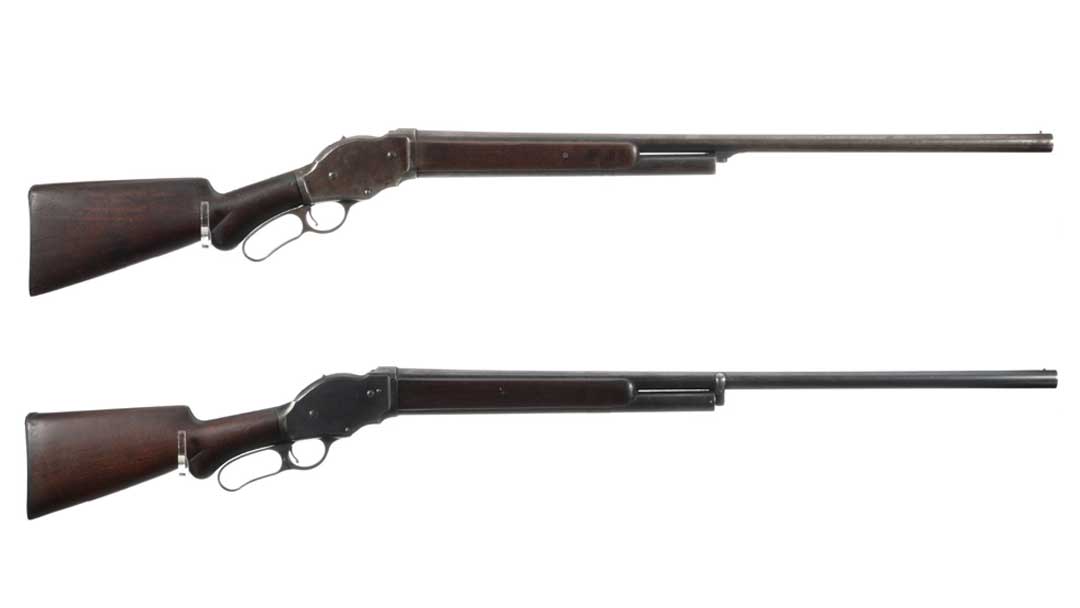
In 1938, the Federal Firearms Act banned the use of the 8 gauge shotgun as a waterfowler in the United States, as well as prohibiting the mammoth punt gun, which came in 4 gauge, 2 gauge, and even a colossal 1 gauge variant. The 10 gauge shotgun continued to fill this niche instead, but it was fading elsewhere, and manufacturers took notice.
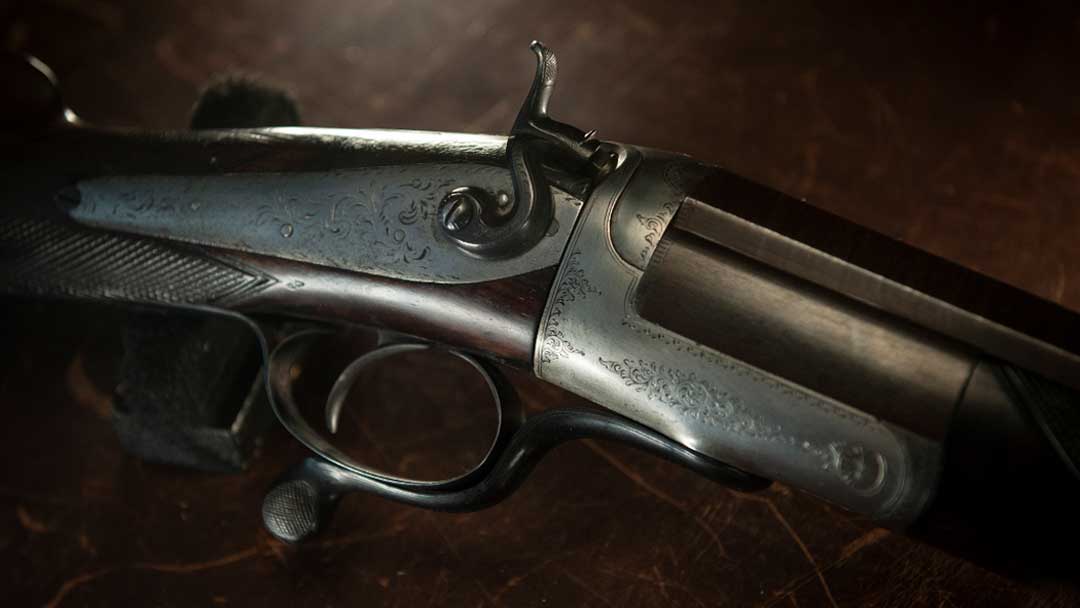
As the decades passed, arms makers focused their developmental research on the more popular 12 gauge and 20 gauge shotgun models. The 10 gauge shotgun and the shells it chambered received less innovation. 10 gauge models grew more scarce, and so did the ammunition, which was already more costly than its smaller-sized brethren. Improvements such as more reliable interchangeable choke-tube designs added even more versatility to the already successful 12 gauge.
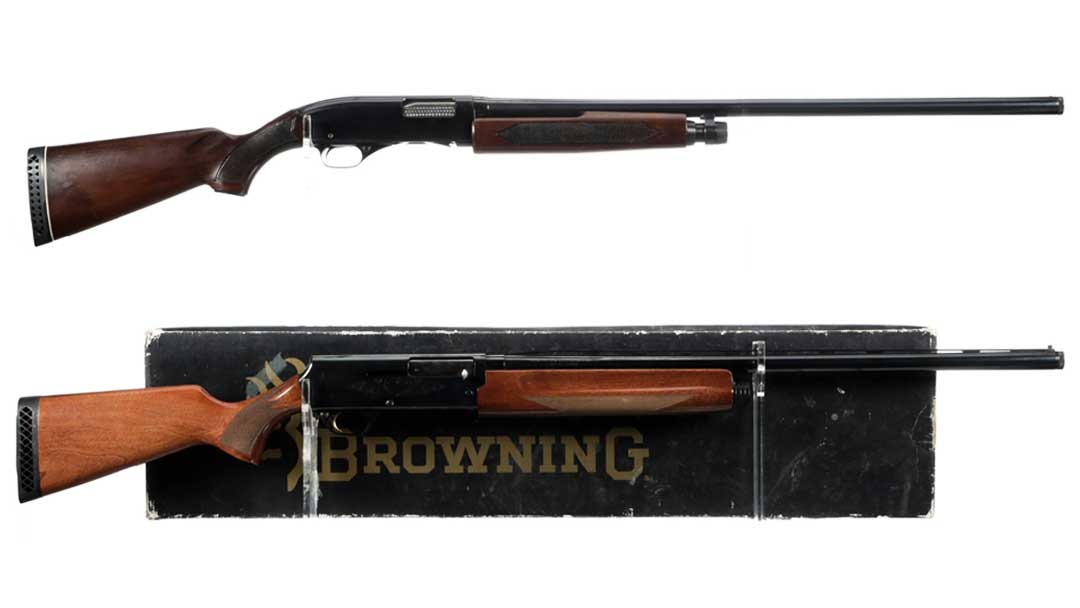
The 10 gauge saw a glimmer of hope in 1975 with the introduction of the Ithaca Mag-10, a semiautomatic 10 gauge shotgun designed to handle the powerful 3 1/2 inch shell. Then in 1986, a mandate from the U.S. Fish and Wildlife Service to ban lead shot in federal waterfowl hunting areas ended up kicking off a second renaissance of sorts for the 10 gauge shotgun platform.
The 10 Gauge Shotgun’s Second Renaissance
As the government’s lead ban was gradually rolled out over the next five years, American hunters were looking for options that could deliver large payloads of steel shot. The Ithaca Mag-10 and other 10 gauge shotguns were given a second look. The lighter steel shot that had been mandated lacked the efficiency of its dense lead counterpart, so the greater hull capacity of 10 gauge shotgun shells was considered a practical way to sling more pellets downrange.
Pump action 10 gauge shotguns like the Browning BPS from 1977 saw a brief upswing in sales, but a small lineup of new semiautomatic 10 gauges offered a better means to tame the hefty recoil of their mammoth shells. Two of the most popular semiautomatic 10 gauge shotgun models released during this period included the Remington Model SP10 in 1989, which was based on the Ithaca Mag-10’s patent, and the Browning Gold 10 in 1993. These massive shotguns produced great results, but their loaded weights exceeded 10 pounds and made them better suited for the blind than the field.
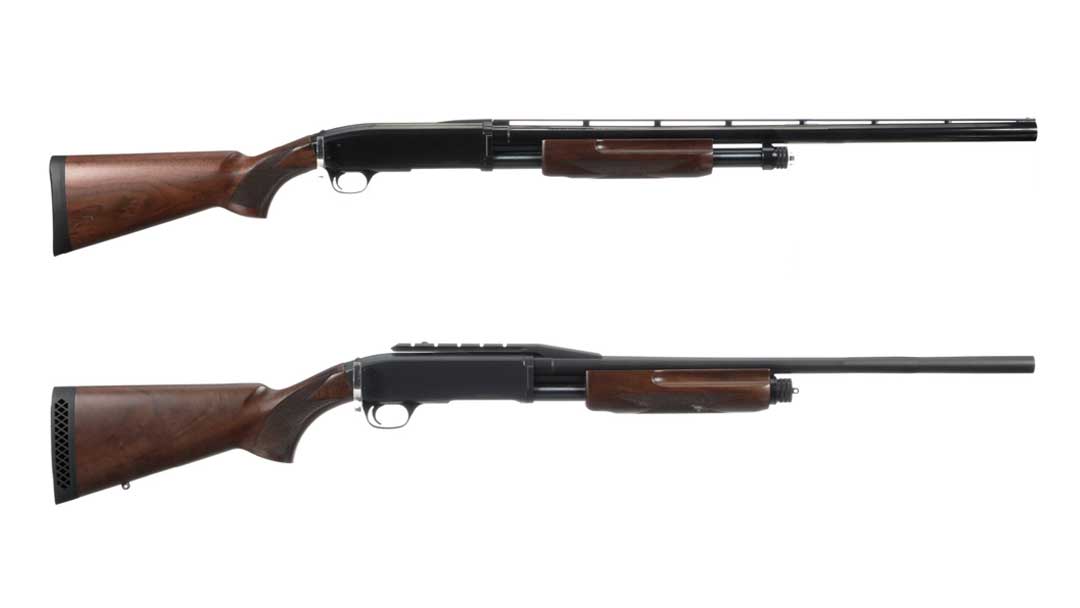
In 1988, Mossberg developed the Model 835 12 gauge pump-action, the first shotgun chambered in Federal Cartridge Corporation’s new 12 gauge 3 1/2 inch steel loads. This longer ammunition solved some of the problems inherent in the lighter steel shot without a hunter needing to lug around a ponderous 10 gauge shotgun. It didn’t take long for Browning, Winchester, Benelli, and a host of other shotgun manufacturers to follow suit.
Another major innovation came from improved steel alloys like HEVI-Shot and Federal’s Tungsten Super Shot that offered a lower volume lead-free replacement. Today, popular options include Winchester 12 Gauge HD shellshot and the Kent Cartridge Tungsten-Matrix load, which bills itself as “The only true, non-toxic alternative to lead.”
10 Gauge vs 12 Gauge
Since the 10 gauge shotgun is bigger than its 12 gauge cousin, it’s historically been viewed as the best choice for patterning large payloads. The weight of the hefty 10 gauge shotgun also helps soak up recoil, and this is particularly noticeable when shouldering modern gas-operated autoloaders like the Browning Gold Light.
The major advantage of the 12 gauge shotgun is sheer versatility. With adjustable chokes and a multitude of ammunition options, it’s no surprise that hunters and shooters looking for an all-purpose scattergun have gravitated toward 12 gauge pumps and autoloaders chambered for 3 or 3 1/2 inch shells.
10 Gauge Shotgun Ammo
The first black powder 10 gauge shotgun shells were about 2 7/8 inches long and .775 inches in diameter. The standard case today for 10 gauge ammo has been lengthened to 3 1/2 inches to accommodate more shot, with commercial 2 7/8 inch shells seemingly all but extinct.
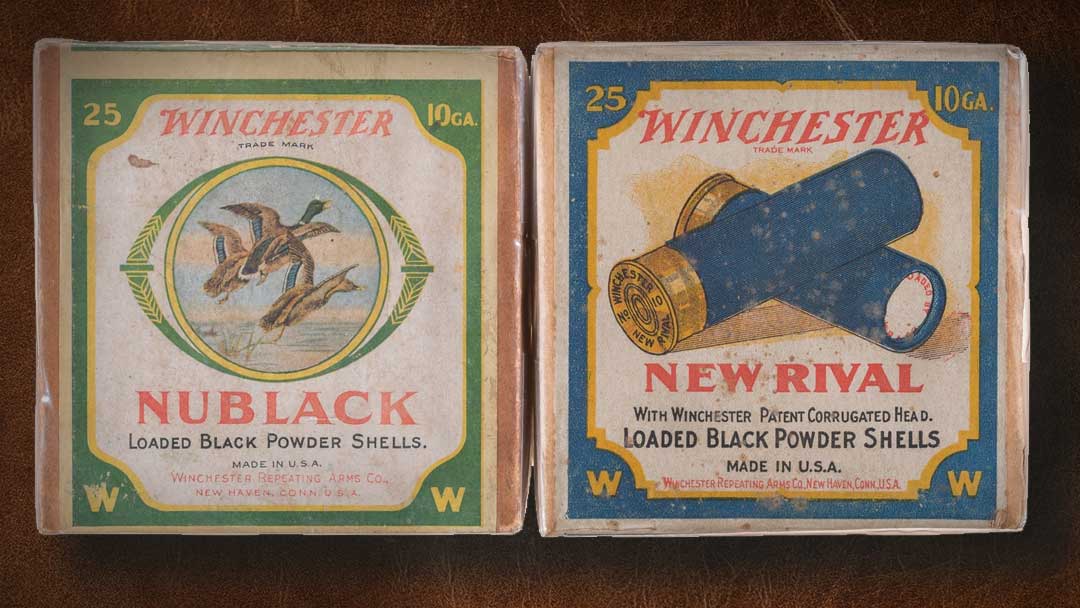
Due to its overwhelming popularity, the price of 12 gauge shells are significantly cheaper than 10 gauge ammo. The most affordable 12 gauge shotgun shells will cost around 50 cents, while the cheapest 10 gauge shotshells run over $1.50 per round. This price disparity is also observed when comparing shotgun slugs. The current cost of a 5-pack box of Federal Premium 10 gauge rifled slugs is offered at $19.99, while its 12 gauge counterpart is only $7.99. For hunters who reload their own ammunition, the price difference between 12 gauge hulls and 10 gauge hulls is just as staggering.
The Legacy of the 10 Gauge Shotgun
Today, the 10 gauge shotgun remains in use with a relatively small but loyal segment of firearms enthusiasts, upholding a particular niche with wingshooters looking to put more large steel shot in the air against big breeds like the Canada goose. The 10 gauge also finds limited use in turkey hunting, predator control, and remains more than capable of filling the role of a lethal home defense firearm.
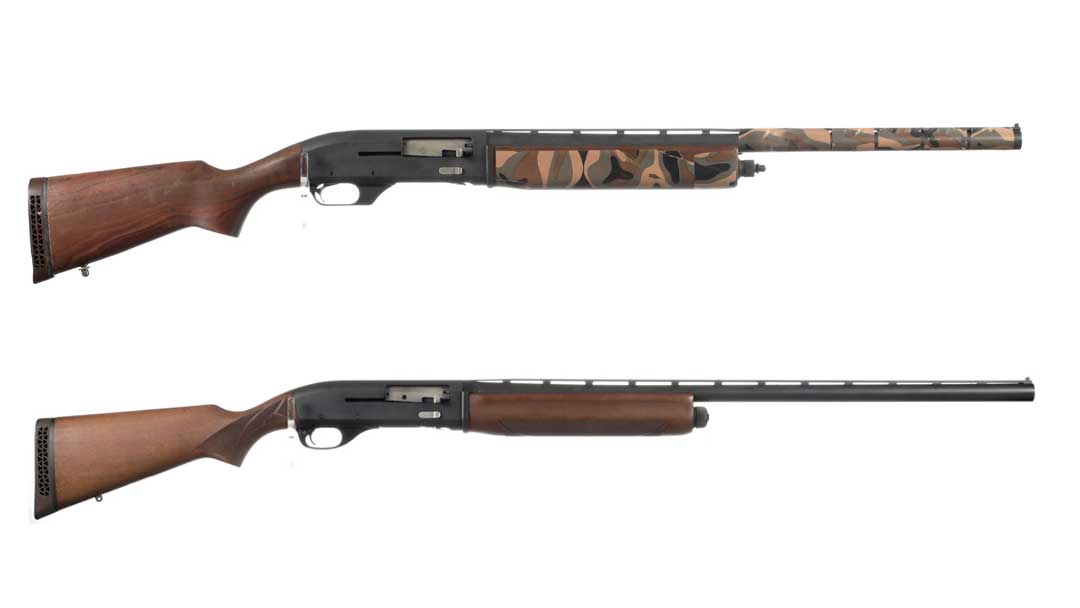
Some carry the 10 gauge shotgun out of tradition. For others, the 10 gauge presents the chance to shoot a specialized and unique firearm and to experience the largest bore shotgun in America for which shells are still commercially manufactured. As one of the most significant guns of the 19th and early 20th century, the 10 gauge carries an appeal for any collector of sporting arms or antique working guns.
10 Gauge Shotgun for Sale
Though new 10 gauge models have grown increasingly difficult to find, Rock Island Auction Company offers a variety of classic and modern shotguns throughout the year, particularly in our Sporting & Collectors Auctions.
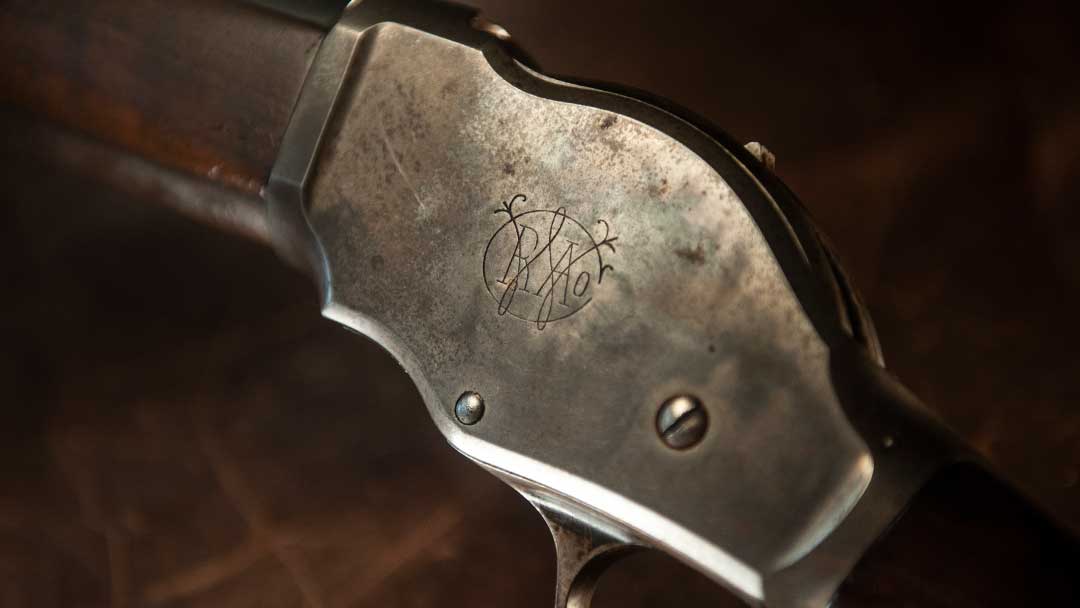
Subscribe to the Rock Island Auction newsletter for more gun blogs and gun videos on sporting arms of every era, including popular models and brands like Parker Brothers, the Winchester Model 21, the Browning Superposed, sporting arms from Abercrombie and Fitch, and more.
We’re one week out from the February S&C Auction where you will find 7,500+ items , including this WWII Winchester Model 97 Trench shotgun, which includes M1917 bayonet, scabbard, and two vintage boxes of 12 gauge 00 buckshot military ammunition. Lot 560: https://t.co/sFW6Phv068 pic.twitter.com/RzwYS0mopf
— Rock Island Auction (@RIAuction) February 7, 2023
Is it Terrorism? Hazardous materials Train derails outside Detroit

This morning, another train derailment carrying toxic chemicals outside of Detroit in Van Buren Township Michigan. This makes the 4th major train derailment in the last couple of weeks.
“We are also in touch with the relevant federal authorities, including the EPA,” Rep. Debbie Dingell, D-Mich., said in a statement. At least 6 rail cars are off the track.
The derailment comes less than two weeks after a train carrying toxic chemicals derailed in East Palestine, Ohio and contaminated the Ohio River. The explosive train derailment that recently led to the evacuation of East Palestine, Ohio town was among more than a dozen reported rail wrecks in the U.S. since the year began.
Trains are a known target of terrorism. Back around 2017, Al-Qaeda published a magazine dedicated to the construction of tools to derail trains and which ones to derail. It was published in “inspire” magazine.
Why is the Biden Administration ignoring the Environmental Disaster?
Earlier today, Senator J.D. Vance was attempting to raise awareness of the contaminated water and land around the East Palestine, Ohio disaster. Vance says in the video, ““This is disgusting, and the fact that we have not cleaned up the train crash, the fact that these chemicals are still seeping in ground is an insult to the people.”
Many are growing impatient, as the Biden administration and Transportation Secretary Pete Buttigieg are still refusing to talk about train derailment, explosion & toxic ecological disaster in East Palestine, Ohio. Instead, Buttigieg took time to complain about too many white people working construction.
Biden admin turns down Ohio’s request for disaster assistance after toxic derailment
Today we learned that the Biden administration turned down a request for federal disaster assistance from Ohio Gov. Mike DeWine. The Federal Emergency Management Agency (FEMA) told Ohio’s state government that it was not eligible for disaster assistance to help the community recover from the toxic spill, Dan Tierney, a spokesperson for DeWine, told Fox News Digital on Thursday.
“The DeWine Administration has been in daily contact with FEMA to discuss the need for federal support, however FEMA continues to tell Governor DeWine that Ohio is not eligible for assistance at this time,” DeWine’s office said in a statement earlier in the day. “Governor DeWine will continue working with FEMA to determine what assistance can be provided.”
This is why you need a bugout plan!
Not only will the government not be able to protect you, but they will actively lie to you about the threat and suppress as much information as they can — these people don’t care about saving lives, they care about covering their own asses!
Here are our top resources for planning and being ready for bugout emergencies:
Harry’s Holsters Icon 2.0 | Jerking the Trigger
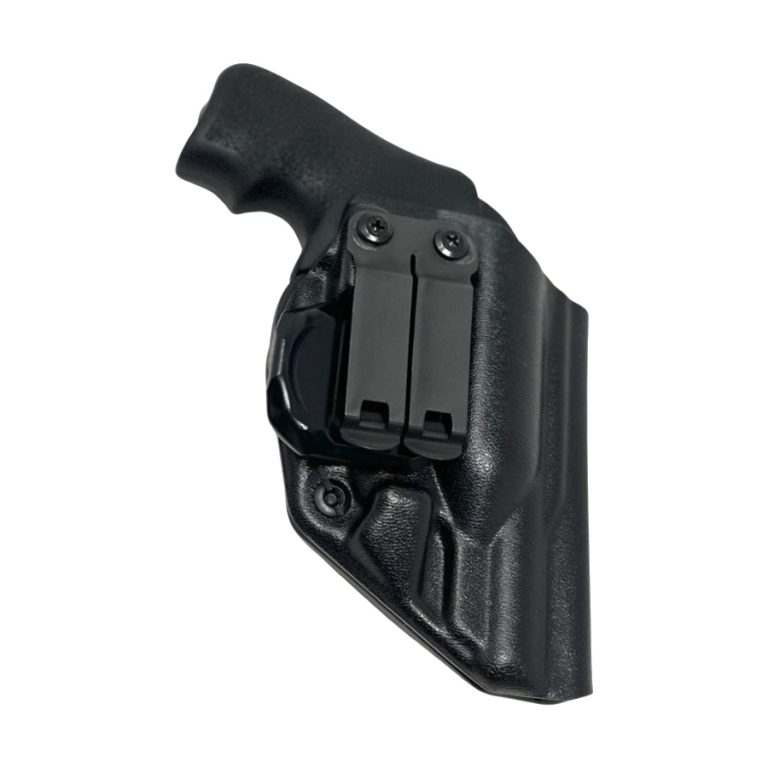
The original Icon holster from Harry’s Holsters is one of my all-time favorite revolver holsters (see the review HERE). It combines a compact design, excellent comfort, clever concealability features, and a DCC clip into one easy-to-live-with package. However, it was only available for the J-Frame which left other revolvers in the cold.
Harry’s Holsters has long promised a new version, the Icon 2.0, with support for many other revolvers… That day has come.
The new Icon 2.0 is now available. It features several new design elements including a compact wing for concealment and the more stable DCC Monoblock clip. Best of all, it is finally available for the Ruger LCR.