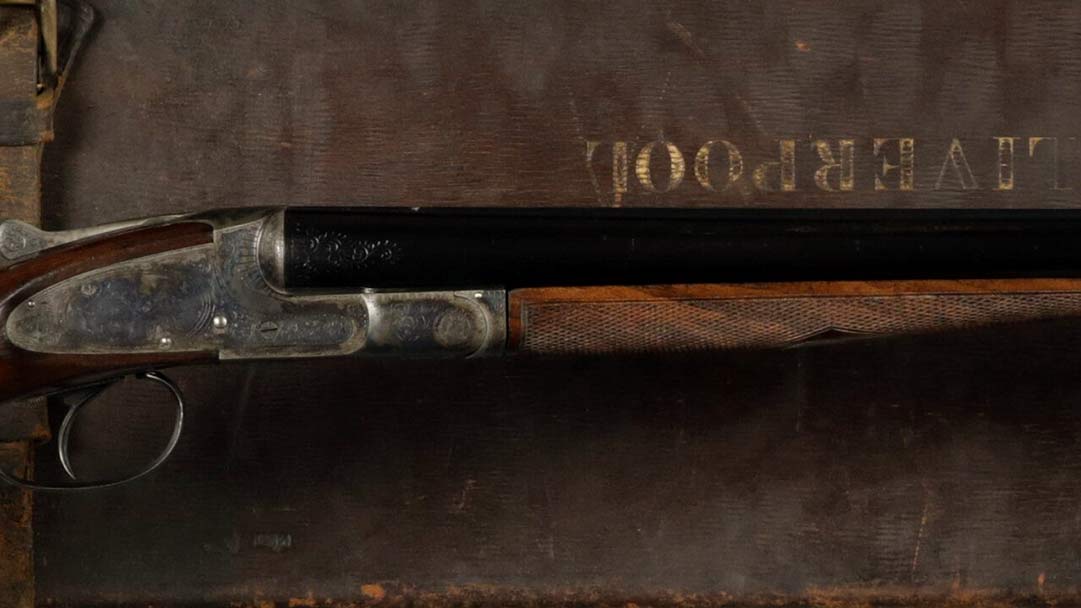
The 16 gauge shotgun is a legend in American wingshooting. Often called “the gentleman’s gauge,” this balanced blend of power and finesse was once a mainstay with hunters and clay shooters before seeming to fade from prominence in the American market. Is this classic platform the relic of a bygone era, or is a comeback in the works for the sweet 16?
We’ll explore the legacy of the 16 gauge shotgun and examine numerous examples from Rock Island Auction Company’s October 4 -6 Sporting & Collector Auction in Bedford, Texas as well as several highlights from RIAC’s December Premier Auction. Click on the images throughout this article to learn more about each gun model.
What is 16 Gauge?
A 16 gauge shotgun refers to a smoothbore firearm with a bore diameter of about .663 inches before any chokes. Tracing its lineage to the 18th century, the gauge system for shotguns was defined by how many round lead balls, matching the bore size, could be molded from a pound of lead. The smaller the gauge, the wider the bore.
For instance, if ten identical round balls were made from a pound of lead, the diameter of one ball would be used as the measurement for the barrel’s diameter and called 10 gauge. Similarly, a pound of lead yielding sixteen such balls would result in a 16 gauge.
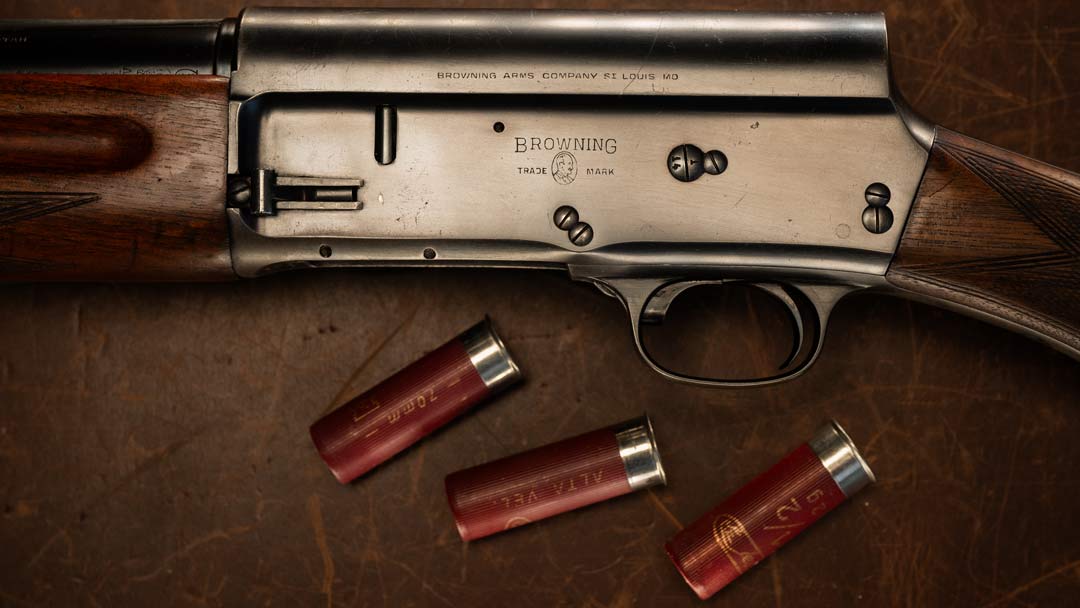
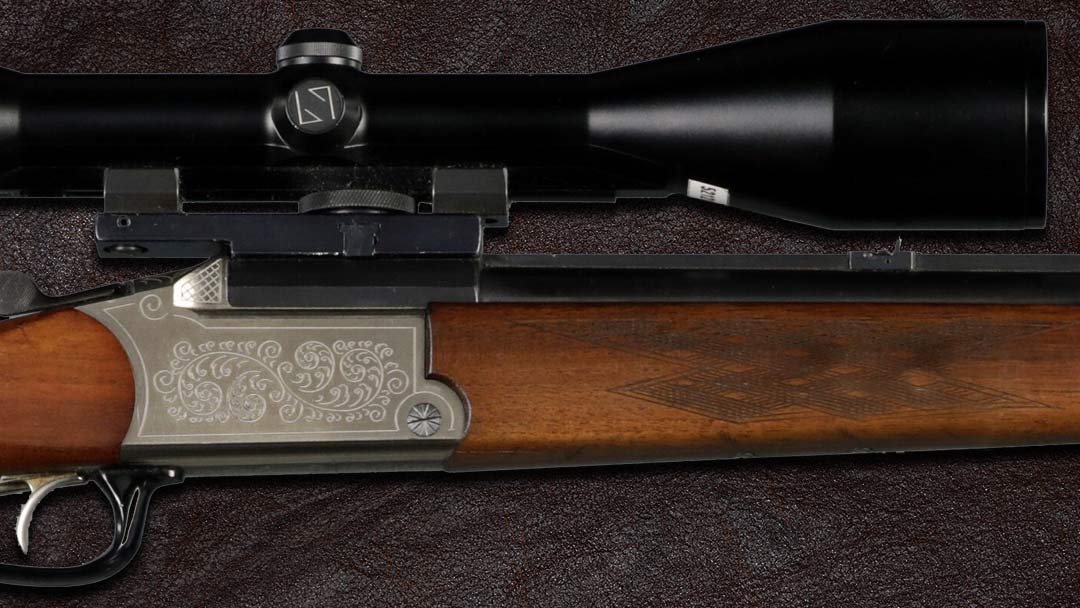
The 16 gauge shotgun has been around for centuries and has been offered in everything from flintlock fowlers, break action double guns, pumps, over/unders, autoloaders, and bolt action shotguns. Though the colloquial definition of sub-gauge can vary, according to most competition rules and the definition of Field & Stream editor Phil Bourjaily, anything smaller than 12 gauge is considered a sub-gauge, making the 16 gauge shotgun the largest common sub-gauge bore.
The 16 Gauge Shotgun Finds a Market
In the 1860s, English imports from manufacturers like Westley Richards, J. Purdey, W. W. Greener dominated America’s upland hunting market, where the 16 gauge shotgun started to develop a small but faithful following. Local makers took notice of this growing niche, with Parker Bros. adding the 16 gauge to their lineup in 1874.
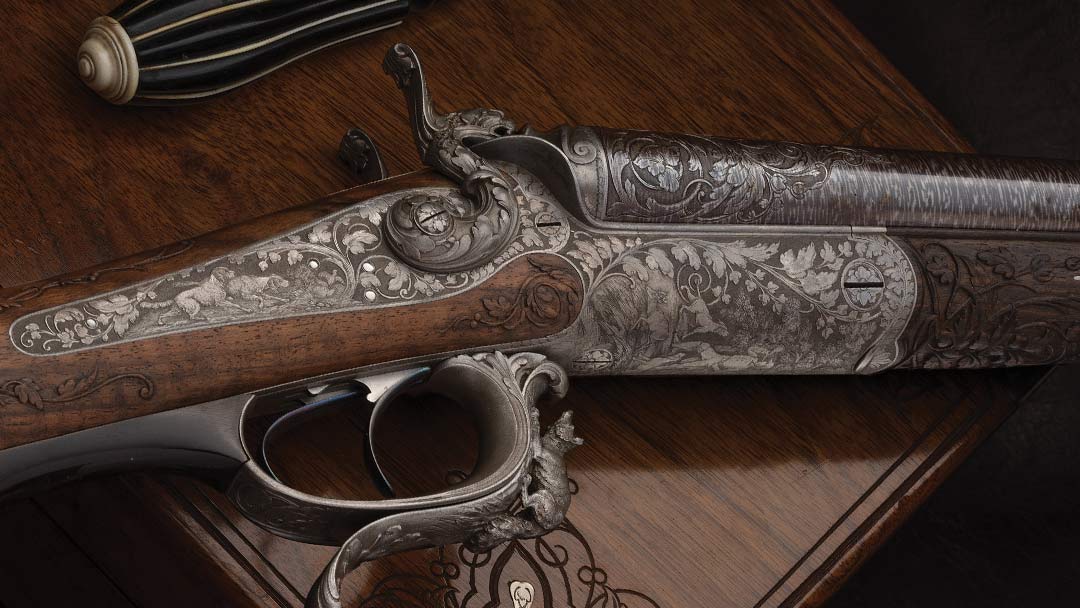
In his 1897 book, ‘The Gun and its Development,’ William Wellington Greener commented that, “The 16-BORE GUN was at one time a favorite with Continental sportsmen, who now for the most part, prefer the 12-bore; for use in England probably not one gun in five hundred is made 16-bore.”
Greener also noted the exceptional scarcity of the 20 bore at the time in the UK as well, writing, “The 20-BORE has been strenuously advocated by writers in the sporting papers, but there are very few sold — the proportion is perhaps one 20-bore to twenty of 16-bore.”
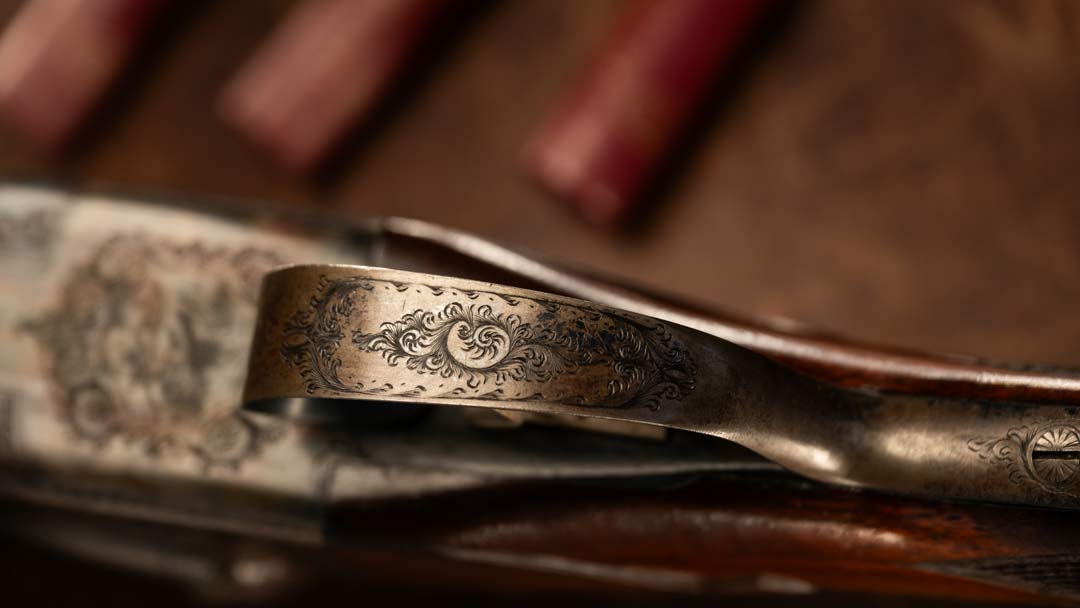
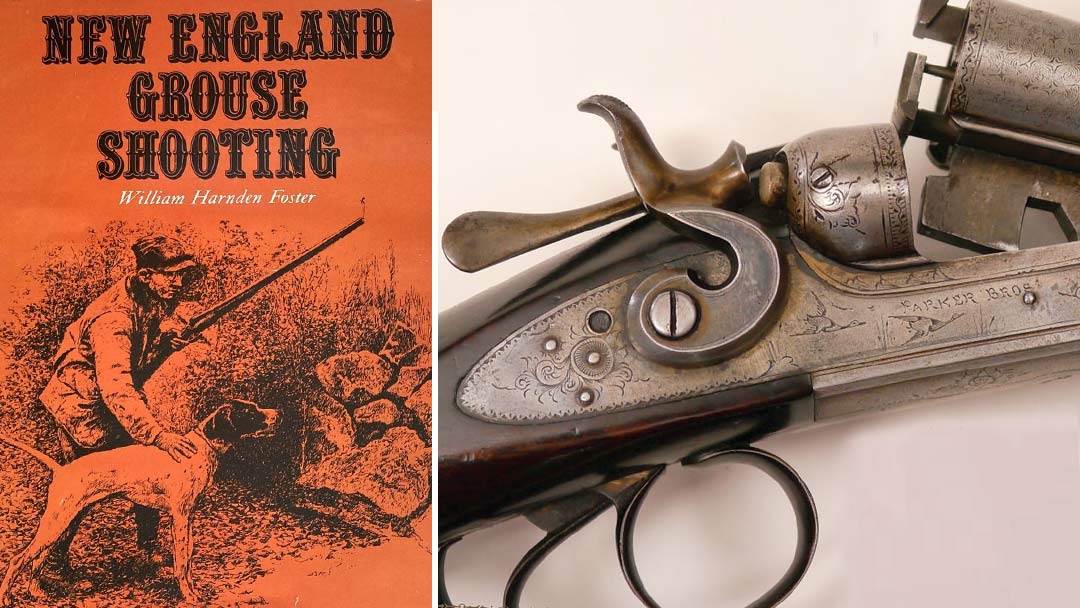
William Harnden Foster, a writer, illustrator, and sportsman, co-invented skeet shooting in 1920 along with grouse hunter Charles Davis. At age 12, Foster took his first grouse with one of the most famous 16 gauge shotguns in history, “The Little Gun.” The 1889 manufactured, Damascus-barreled Parker with exposed hammers weighed 6 1/2 pounds, remarkably light for the era. Foster inherited the gun from his grandfather and featured it in the first chapter of his popular 1941 book, ‘New England Grouse Shooting.’
16 Gauge Shotgun Golden Age
Firearms technology was rapidly evolving in the late 1800s, with advancements in shotshells and propellants that provided higher velocities and longer ranges. The lighter 16 gauge shotgun benefited from these improvements and enjoyed a surge of popularity through the early decades of the 20th century.
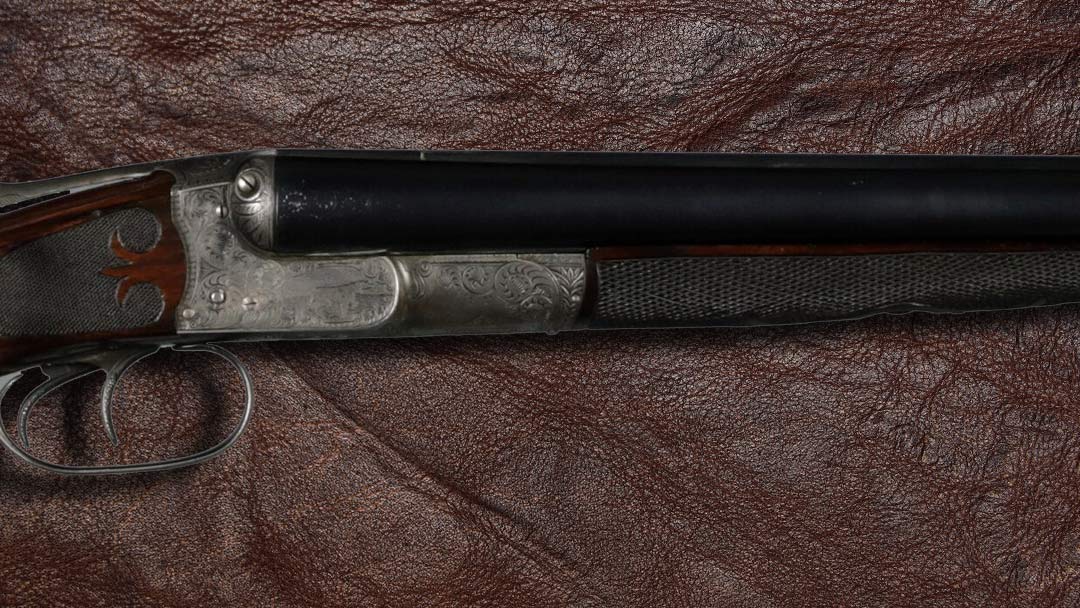
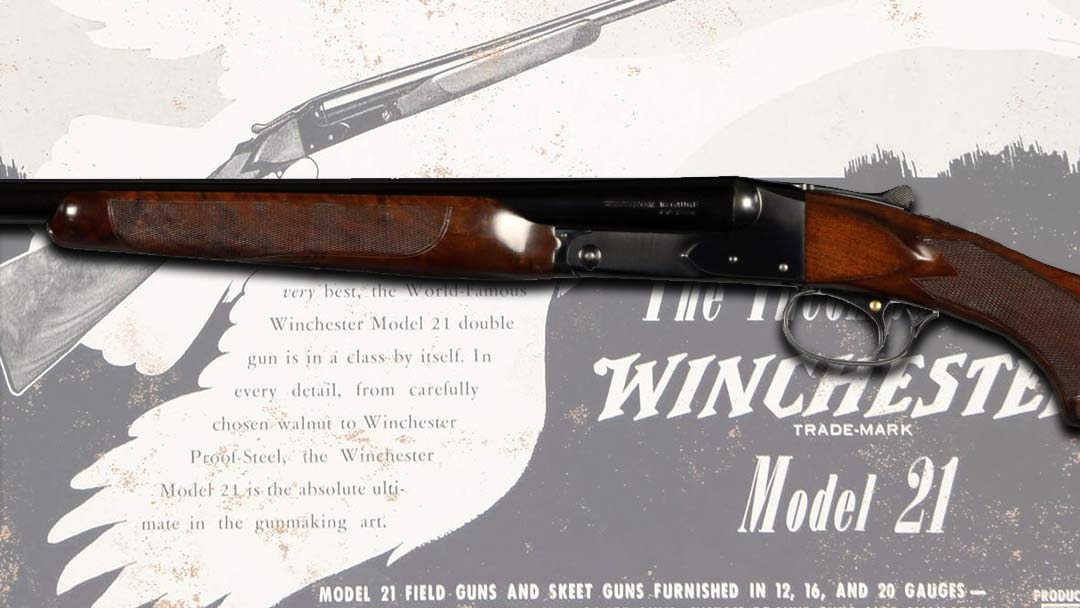
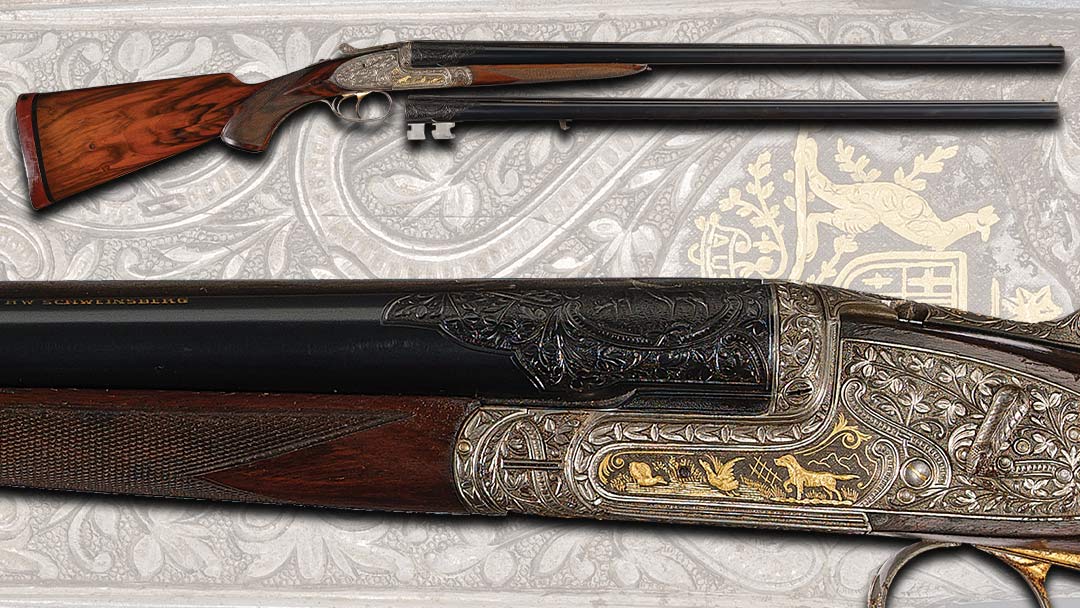
Classic American manufacturers like Parker Bros, A.H. Fox, and L.C. Smith offered some of the finest 16 gauge hammerless double guns of the early 20th century. Because of its versatility, patterning performance, and milder recoil compared to its 12 gauge sibling, the 16 gauge became a natural favorite with upland hunters and clay shooters. A 16 gauge variant of the Browning A-5 shotgun hit the market in 1909 and went on to become a legend.
The Browning Sweet Sixteen
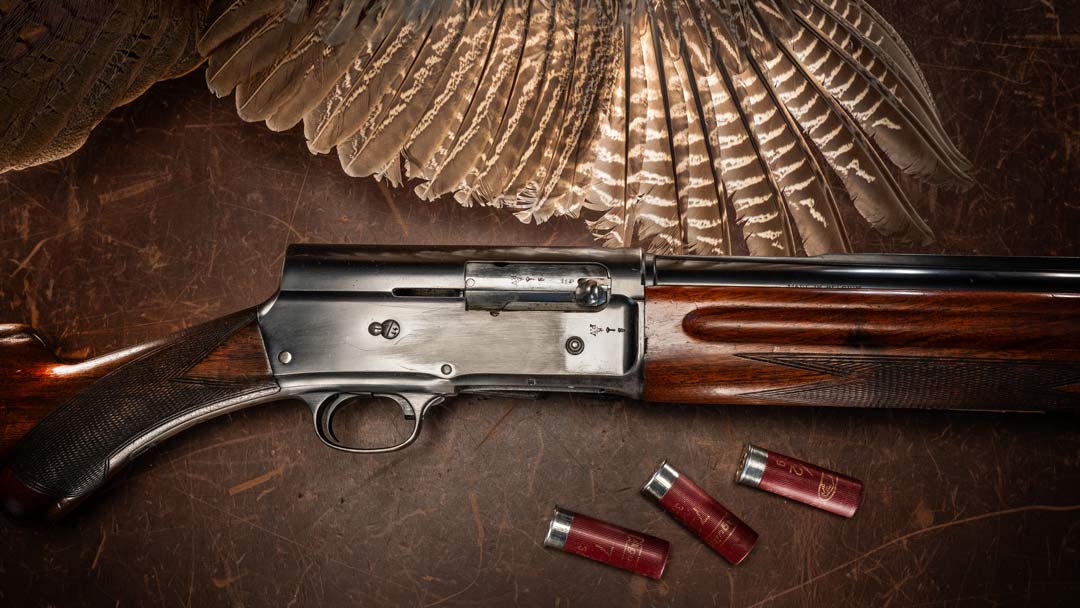
Released in 1902, the John Moses Browning designed Automatic 5, or A-5, was the world’s first successful semi auto shotgun. Widely advertised as “Five shots under your finger” and nicknamed “Humpback” due to its trademark squared-off receiver, the long-recoil operated A-5 became one of the most produced shotguns in history.
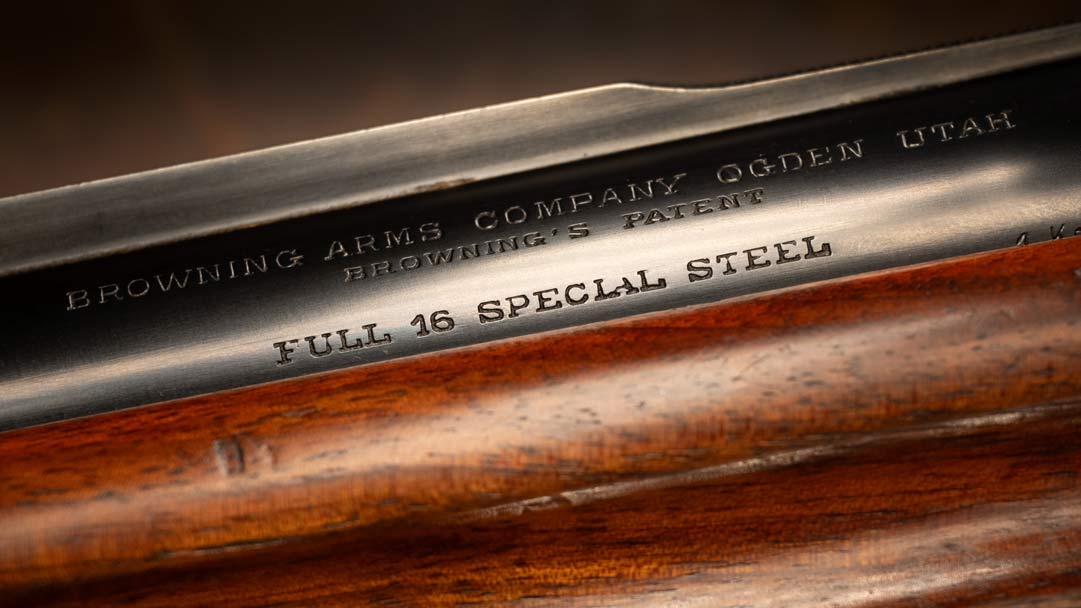
First released as a 12 gauge shotgun, the 16 gauge version of the A-5 debuted in 1909 thanks to popular demand. In 1936, a lighter variant of the 16 gauge Humpback debuted as the “Sweet Sixteen.” Pre WW2 Sweet Sixteens are identified by their gold plated triggers and three holes through the barrel band. The Sweet Sixteen name started to appear on the left side of the receiver in 1948.
A Setback for the 16 Gauge
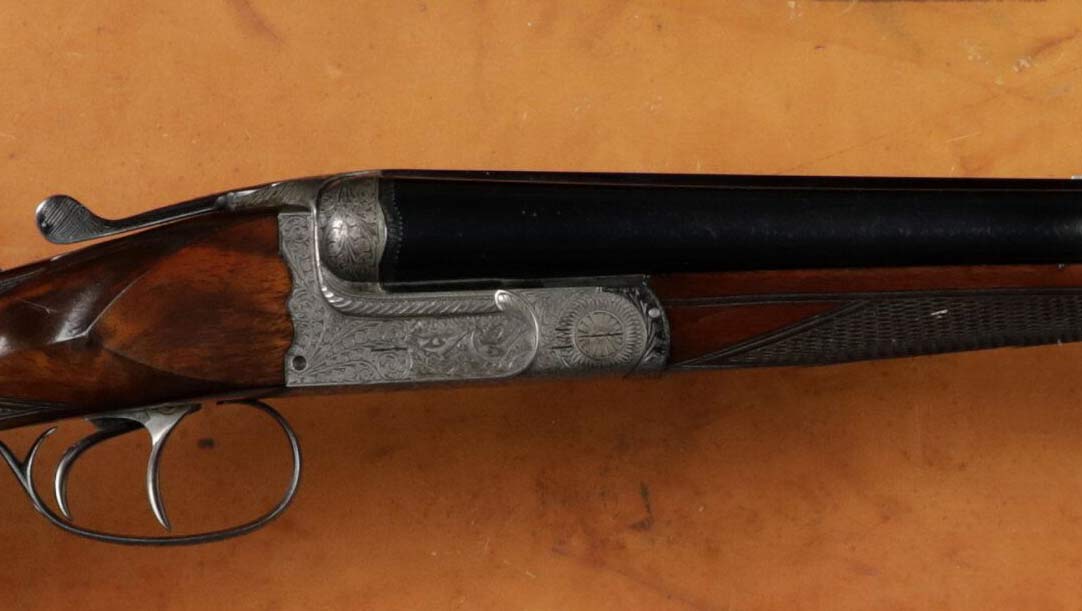
By the early decades of the 20th century, the 16 gauge shotgun had carved out a solid foothold in both the European and North American market, with the 16 gauge rivaling the 20 gauge for upland hunting use. While the popularity of the 16 gauge shotgun never waned in Europe, the platform suffered a major setback in American in 1926.
Only a few years after its invention by William Harden Foster and Charles Davis, skeet shooting had become one of America’s most popular shooting sports. New rules formalized in 1926 recognized only four bore sizes for competition: 12, 20, 28, and .410 gauges. 16 gauge was classified as a big bore and was forced to compete in the 12 gauge category.
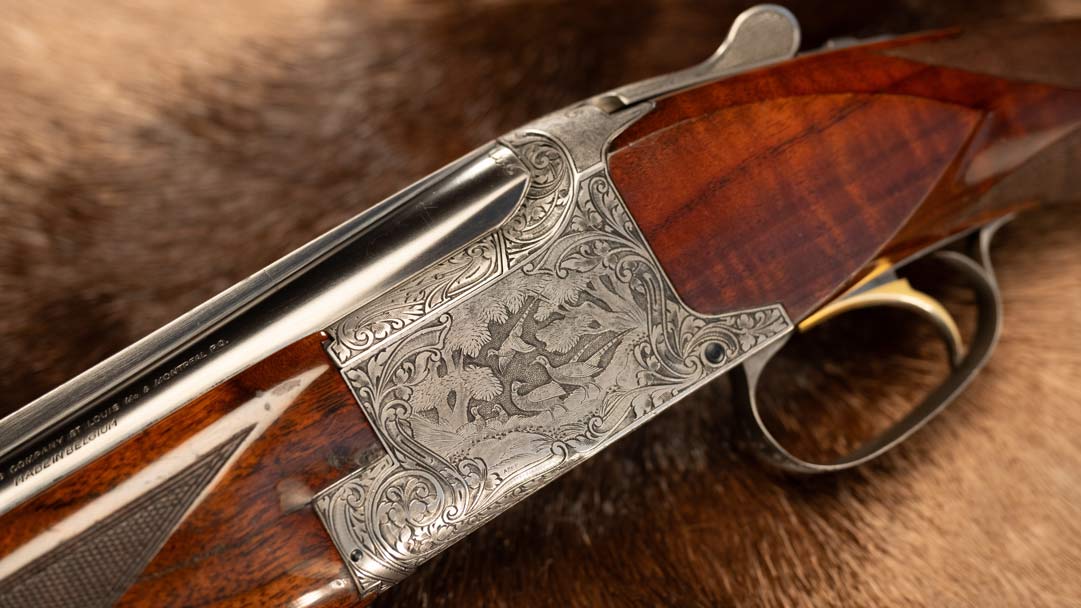
Without its own skeet category, the 16 gauge shotgun saw a marked decline in sporting ammunition sales. Since clay shooters typically purchase far more rounds than hunters, ammunition manufacturers took notice. While the 12 gauge and 20 gauge saw substantial advancements in both ammunition and firearms over the following decades, the 16 gauge slowly fell behind its rivals.
Lightweight 12 gauge shotguns and more potent 20 gauge ammunition like the 3 inch magnum began to fill the niche previously occupied by the 16 gauge, and that gap further narrowed in the 1960s and 70s. By the 1980s, 16 gauge ammunition was increasingly harder to find in America and notably more expensive than its competitors. Gunmakers cater to ammunition availability, so the 16 gauge shotgun saw few developments on the hardware end as well.
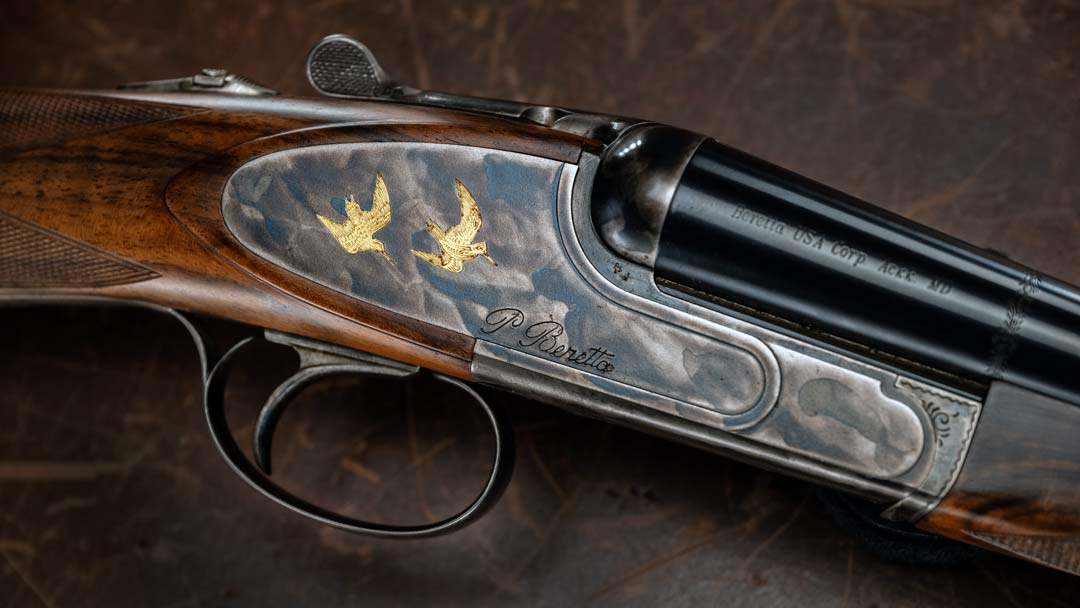
16 Gauge Shotgun Ammo
Early black powder 16 gauge shotgun shells were about 2 1/2 inches long and .663 inches inches in diameter. The standard case today has been lengthened to 2 3/4 inches to accommodate more shot.
The most affordable 12 gauge shotgun shells at the time of writing tend to cost around 40 cents per round, while the cheapest 16 gauge shotshells usually run around double that price point. For reference, the current cost of a 25-pack box of Winchester Super-X Game Loads 12 gauge shotgun shells is around $10.79, while its 16 gauge counterpart retails for $21.99.
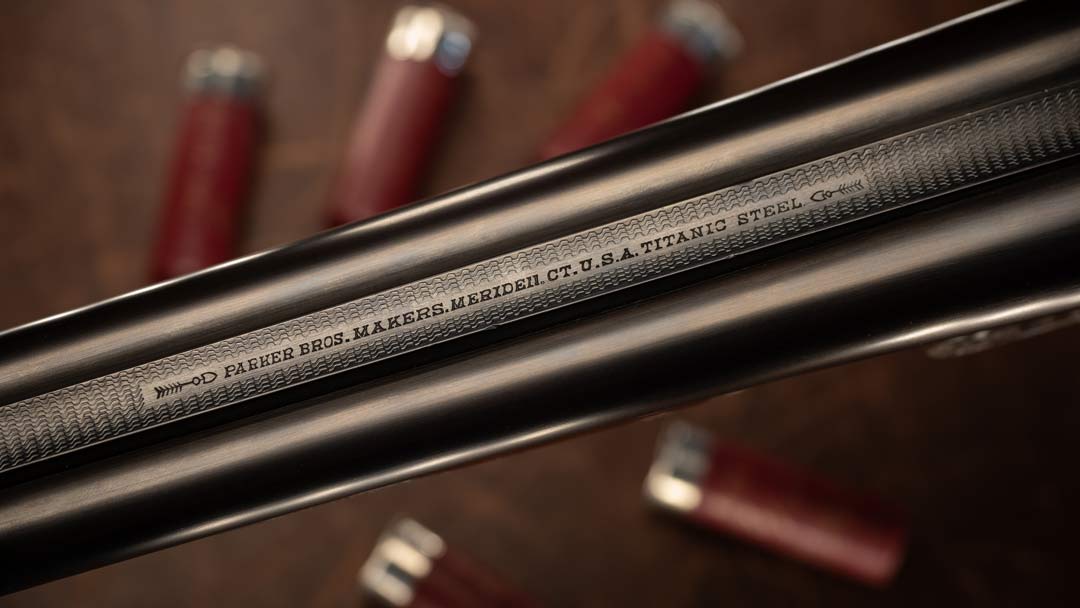
While the ammunition price disparity is a clear disadvantage for 16 gauge shotgun aficionados, not many years ago this classic round was even more expensive and often hard to find at all, with hulls for reloading especially difficult to come by. Dan Compton, product line manager for Federal Premium, noted that 16 gauge shotgun ammo has seen a growing demand over the last decade, and most major online sporting goods retailer offer the numerous options for the round.
Rebirth of the 16 Gauge Shotgun
Only a few decades ago, many gun writers noted that the 16 gauge shotgun had faded into irrelevancy in the American market. It’s death seemed imminent, yet in recent years the platform has seen a steady resurgence in popularity. Which factors have spurred America’s 16 gauge revival?
Social media and dedicated forums have provided an accessible means for collectors, sportsmen, shooters, and arms enthusiasts to share their passion for specific models and genres that might have previously fallen under the radar. The internet has also made obtaining vintage firearms and rare ammunition easier, including classic 16 gauge shotgun models.
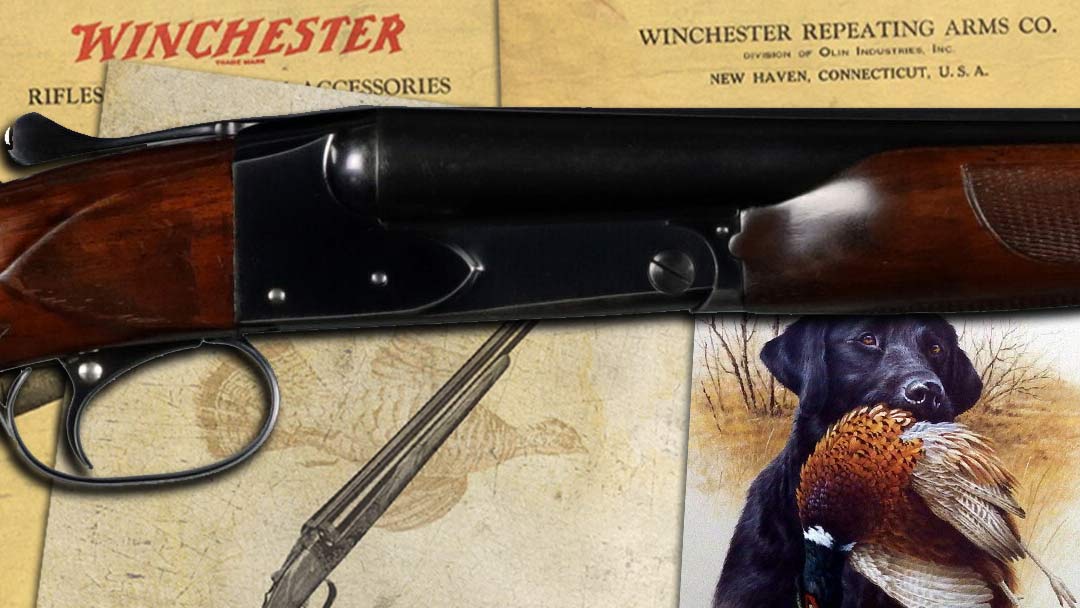
American sportsman are more connected than ever to hunting communities around the world, including the European market where the 16 gauge shotgun has continued strong. And that small but loyal segment of 16 gauge wingshooters in the States now has a greater reach to tout the performance, quick handling, and fast-pointing abilities of their prized platform.
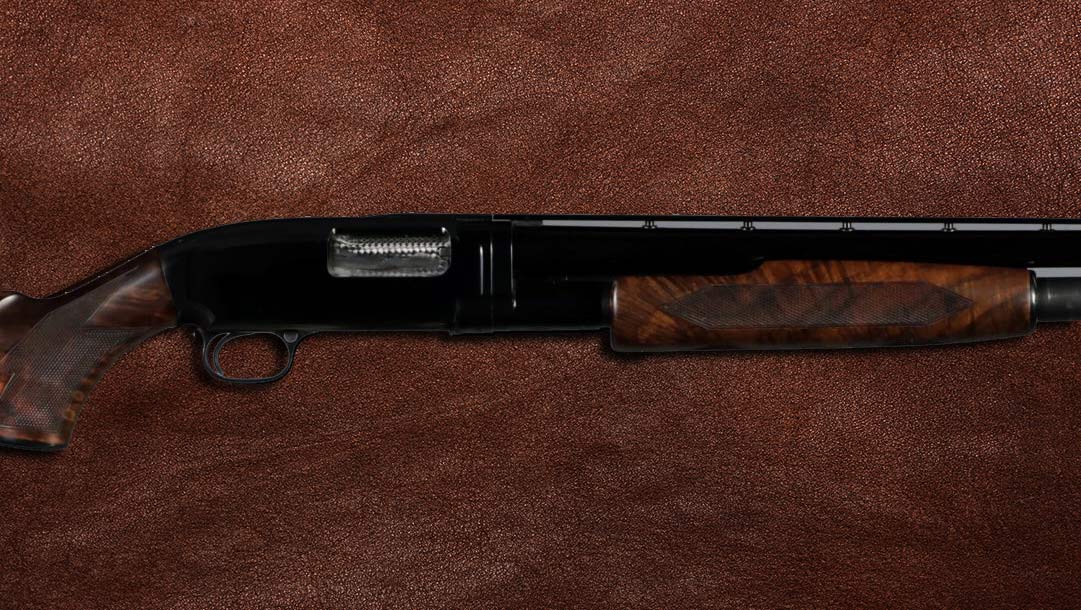
In addition to the classic side-by-side renaissance facilitated by auction houses like RIAC, a growing number of new 16 gauge shotgun models have hit the market over the last few decades. Absent for over 20 years, Remington reintroduced the 16 gauge Model 870 in 2002 and has since added multiple 16 gauge shotgun variants to its lineup. In 2016, Browning released a new line of Sweet Sixteen shotguns, a short-recoil operated design that’s lighter than its predecessor while paying homage to the classic look.
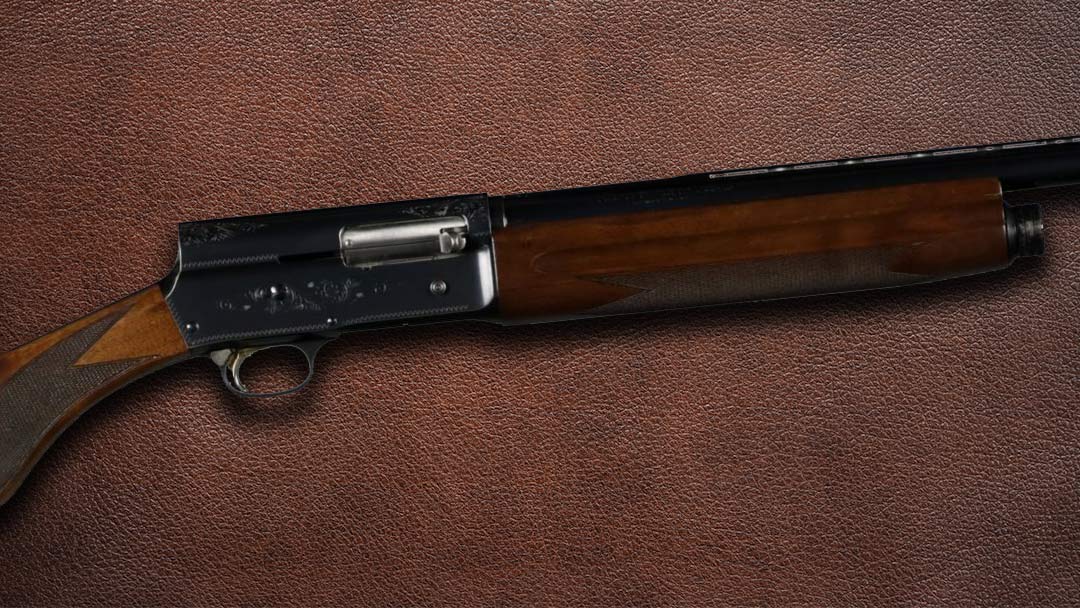
In Project Upland Magazine’s 2023 North American Upland Hunting Survey, 10.63 percent of upland hunters cited the 16 gauge shotgun as their preferred choice, with the 28 gauge just edging it out. The 16 gauge ranked especially well with Millennials, their third most popular shotgun chambering. For the elder sportsman and the greenhorn shooter, the ease of handling and reduced recoil that originally popularized the 16 gauge platform still holds true today.
16 Gauge Shotgun for Sale
Whether the 16 gauge revival is driven by performance, nostalgia, or a little bit of both, there’s no denying that this timeless platform has earned a reputation as a dependable tool for the upland hunter. For those interested in fielding a classic through the woods, prairie, or cornfields this fall, Rock Island Auction Company offers a sweet selection of vintage and modern 16 gauge shotguns for sale.
For more gun blogs and gun videos on classic and modern sporting arms, subscribe to the weekly Rock Island Auction newsletter to find pieces on Winchester, Marlin, Savage, and W. J. Jeffery & Co., as well as unique and unusual historic curiosities like the M30 Luftwaffe drilling, the combination gun, the Paradox gun, the revolving shotgun, the 4 bore, the Punt gun, and more.