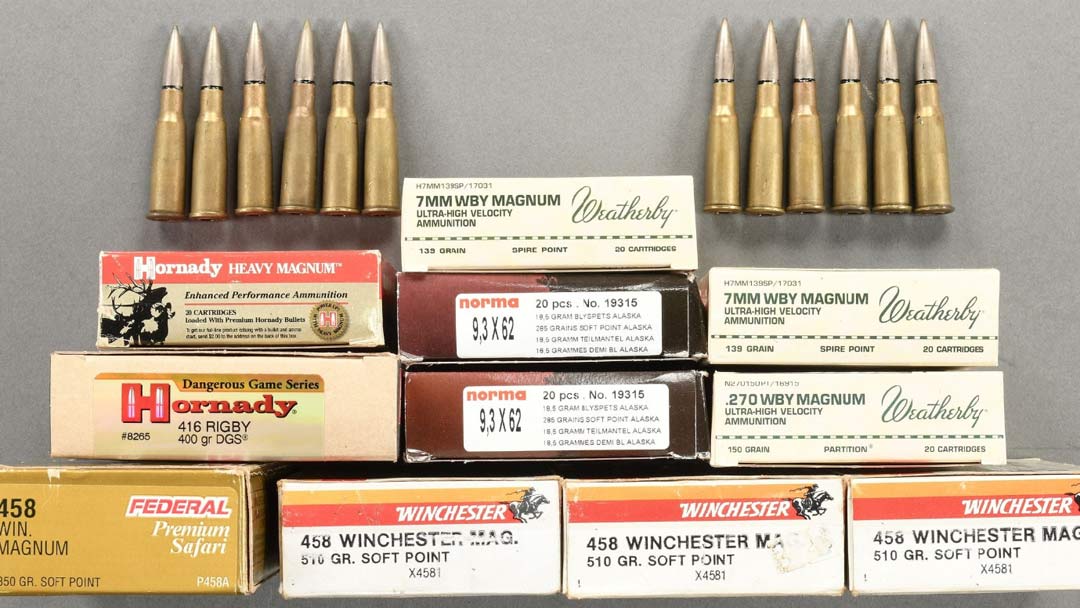
The introduction of conical bullets and self-contained ammunition set the stage for a ballistic revolution. Developing faster bullets often went hand-in-hand with refining accuracy, extending range, and improving penetration potential, and the arms race rocketed into overdrive with the arrival of smokeless powder in the late 19th century.
From the black powder .41 Swiss to the blazing .220 Swift, we’ll compare the fastest bullets over the decades. Most of the examples featured below are offered in Rock Island Auction Company’s October 4 -6 Sporting & Collector Auctionin Bedford, Texas, and you can click on the images to learn more about each of the featured rifles.
The Fastest Black Powder Bullets
The earliest self-contained rounds were anemic. Introduced in 1856, the .41 caliber Volcanic cartridge was barely able to reach a muzzle velocity of 260 feet per second. Six years later, the Henry .44 rimfire quadrupled that number with 1,125 fps. Winchester introduced a notable upgrade in 1873 with the .44-40 centerfire cartridge, reaching over 1,200 fps.
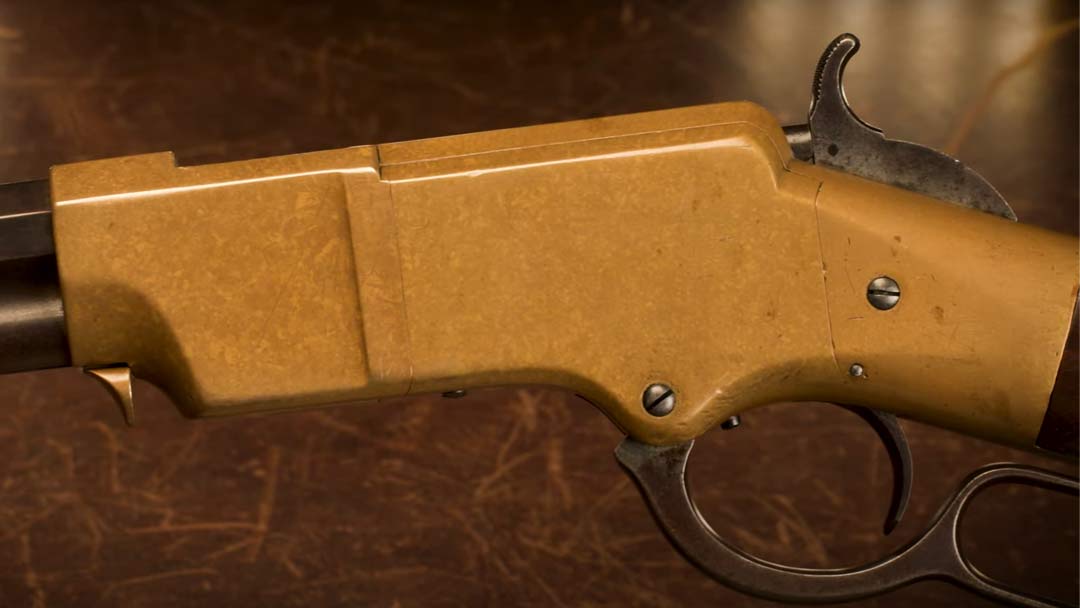
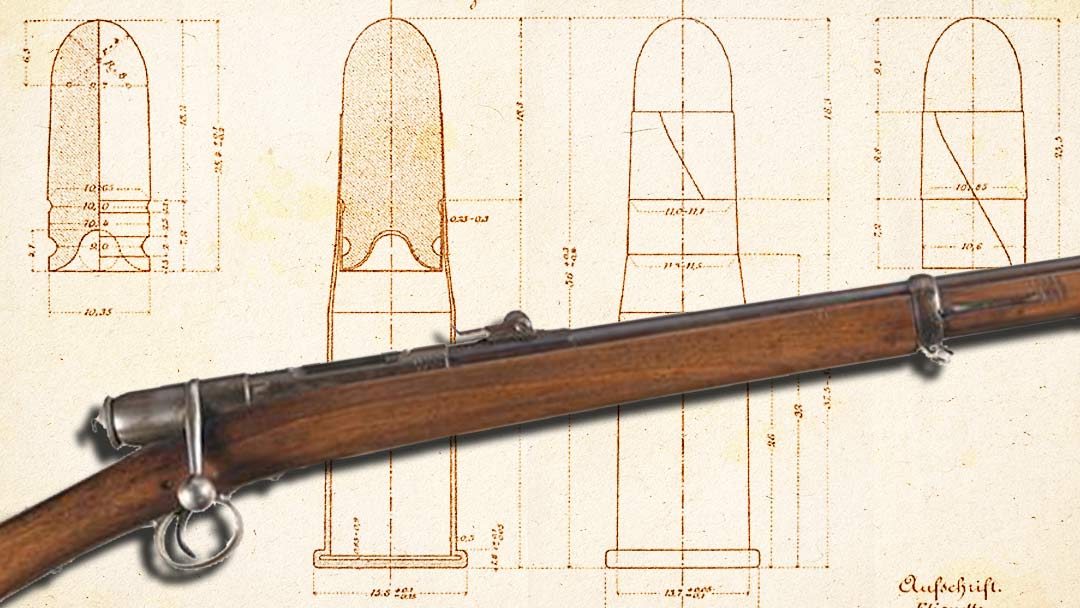
Perhaps the fastest bullet of the early rimfire era was the 10.4x38mmR Swiss, or .41 Swiss. Introduced in 1869, this Swiss military round could reach a muzzle velocity of 1,350 fps. Five years later, a French centerfire round, the 11mm Gras, would set a new military benchmark with 1,500 fps.
In America, the big bore ruled in the decades following the Civil War. The mighty .45-70 Government cartridge was able to reach muzzle velocities of 1,350 fps, and Winchester’s .45-90 WCF could match and exceed these speeds. Both rounds were well-suited for bison and other large North American game, with the .45-70 continuing to find popularity today in its higher velocity smokeless variants.
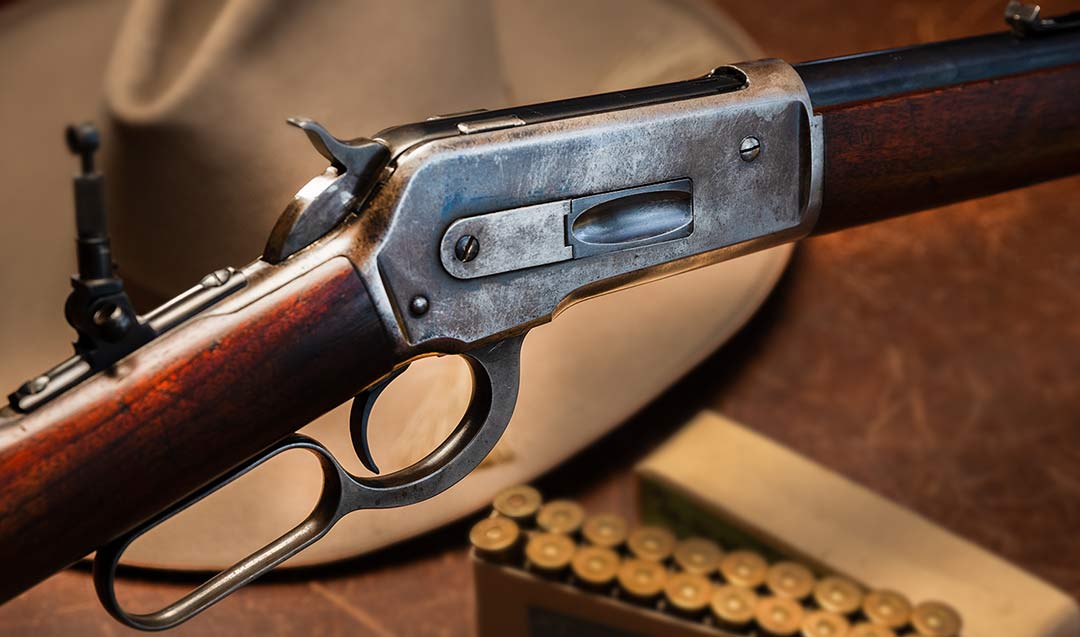
Fastest Bullets of the Early Smokeless Era
In the final years of the 19th century, the advent of smokeless powder was a key factor in the development of faster bullets. Introduced in 1886, the 8mm Lebel was the first smallbore smokeless powder rifle adopted by a major military. Based on a necked down variant of the 11mm Gras, the 8mm Lebel decisively broke the 2,000 fps barrier with muzzle velocities exceeding 2,350 fps.
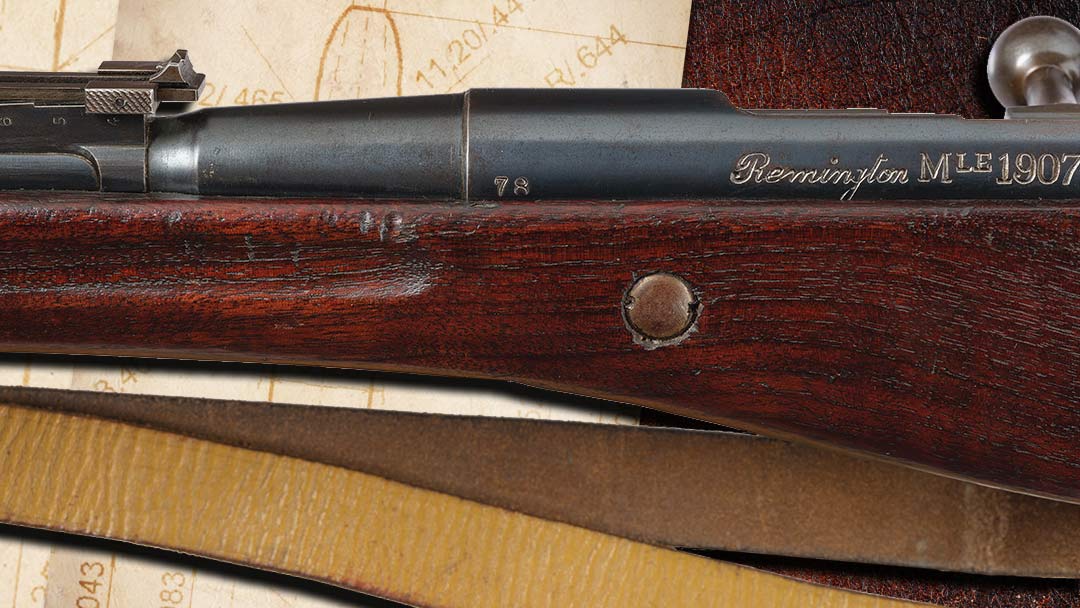
In 1892, Paul Mauser developed the 7x57mm from his previously designed Patrone 88 cartridge. The Spanish took particular interest in the 7x57mm Mauser and the Mauser Model 1893 bolt action rifle. Reaching muzzle velocities of 2,300 fps, this revolutionary cartridge outclassed America’s .30-40 Krag during the Spanish American War and the UK’s .303 British during the Second Boer War.
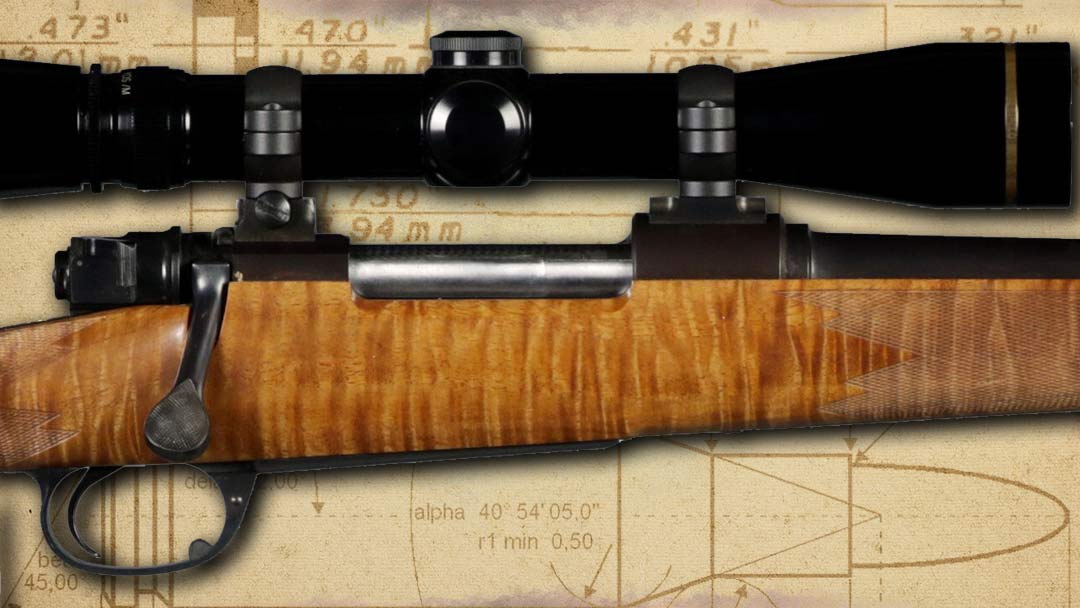
Another famous early smokeless cartridge, the 6.5mm Swedish Mauser was developed as a collaboration between Sweden and Norway. One of the fastest bullets of its era, the 6.5×55mm exceeded the speed of the 7x57mm upon its introduction in 1894. According to ‘Rifles and Machine Guns’ by Colonel Melvin M. Johnson Jr., latter variants of the cartridge pushed speeds of 2,900 fps and beyond.
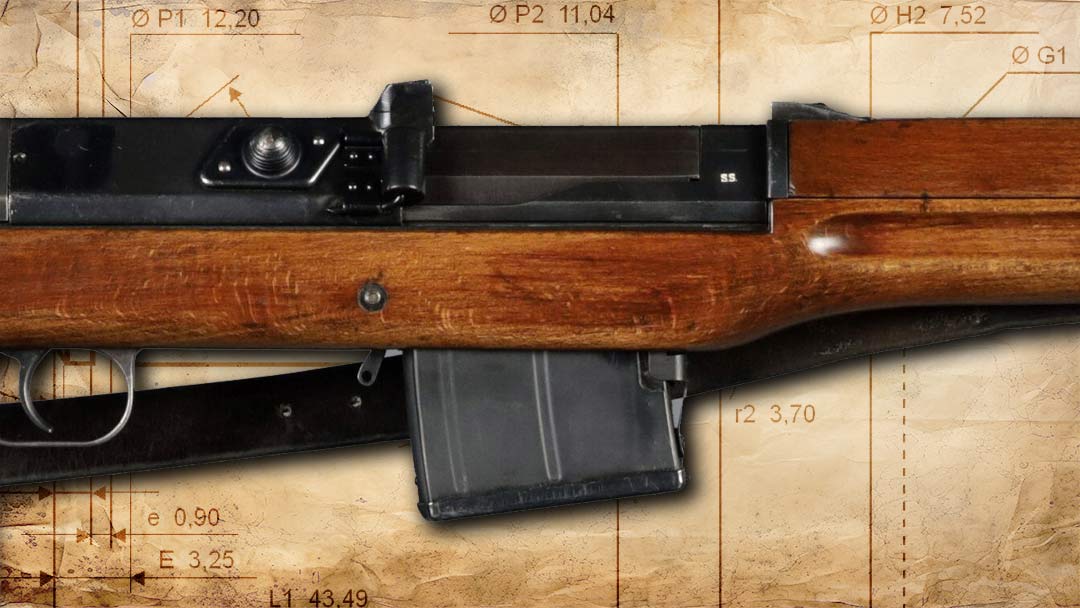
Reaching 3,000 FPS
In addition to high-pressure smokeless powder and stronger casings, pointed Spitzer bullets like the 7x57mm Mauser provided a significant advancement in range and accuracy. America scrambled to play catchup, first with the .30-03, then with an upgraded version of the round with a shorter case neck, increased powder capacity, and a 150 grain Spitzer tipped bullet.
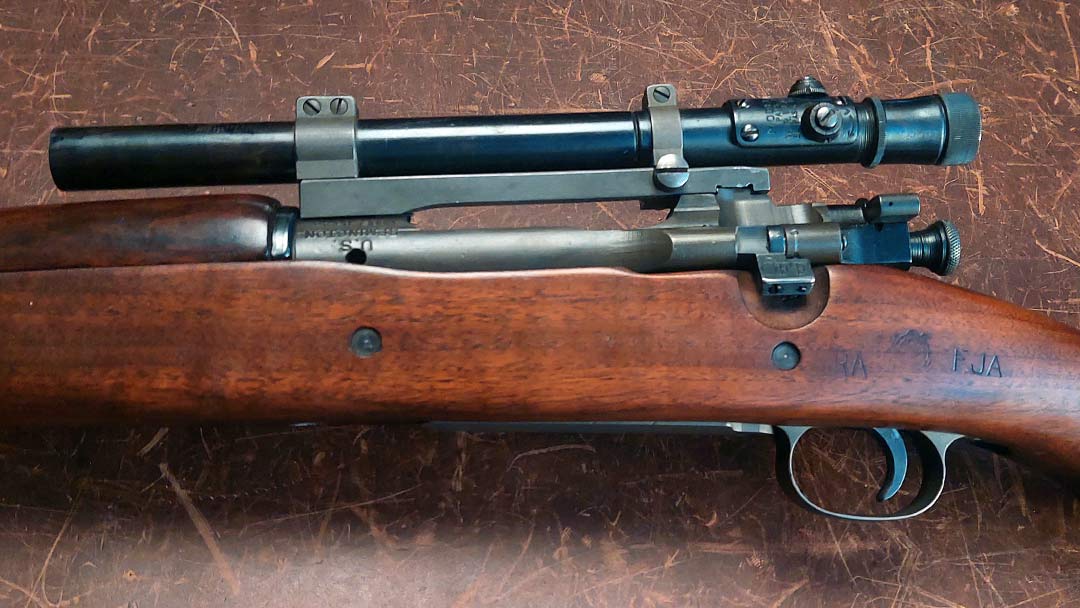
“The cartridge, ball, caliber .30, Model of 1906” could achieve a muzzle velocity of 2,700 fps, a nearly 400 fps advantage over its .30-03 predecessor and a highly respectable velocity for its day.
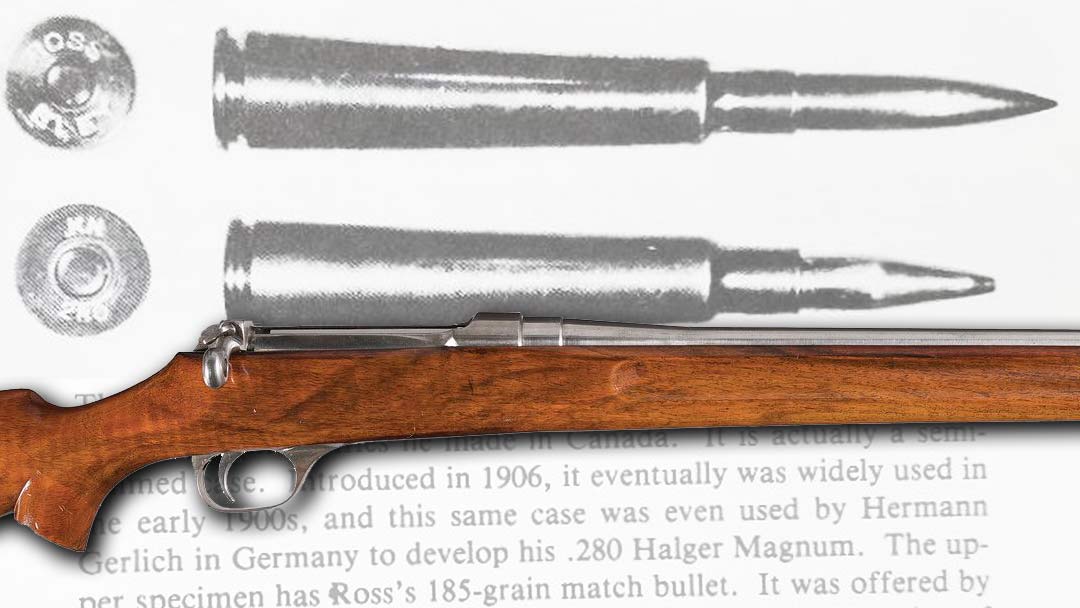
Developed by wealthy Scotsman Sir Charles Henry Augustus Frederick Lockhart Ross, the .280 Ross was the first practical factory cartridge to break the 3,000 fps milestone. The new round’s 2.6 inch case was designed for the Ross straight-pull rifle, which was employed by Canadian armed forces and eventually found a home in the sporting market.
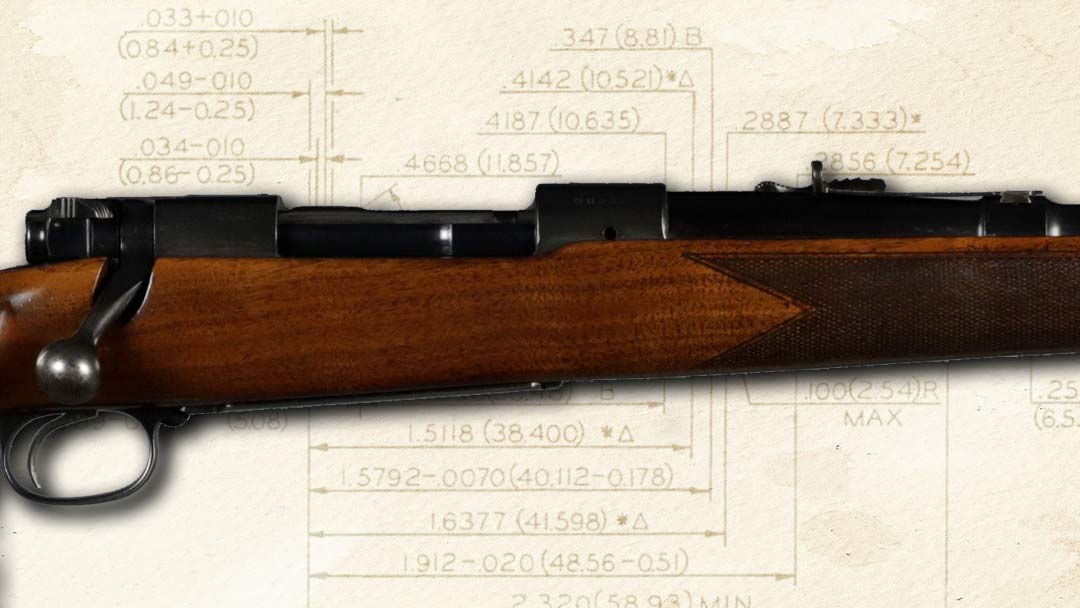
Hitting the market in 1915, the .250-3000 Savage earned its name from its ability to break the 3,000 fps barrier. The cartridge was derived from a shortened .30-06 case and was first designed for the Savage Model 99 lever action. More popularly known as .250 Savage, the round was touted as one of the fastest factory bullets available.
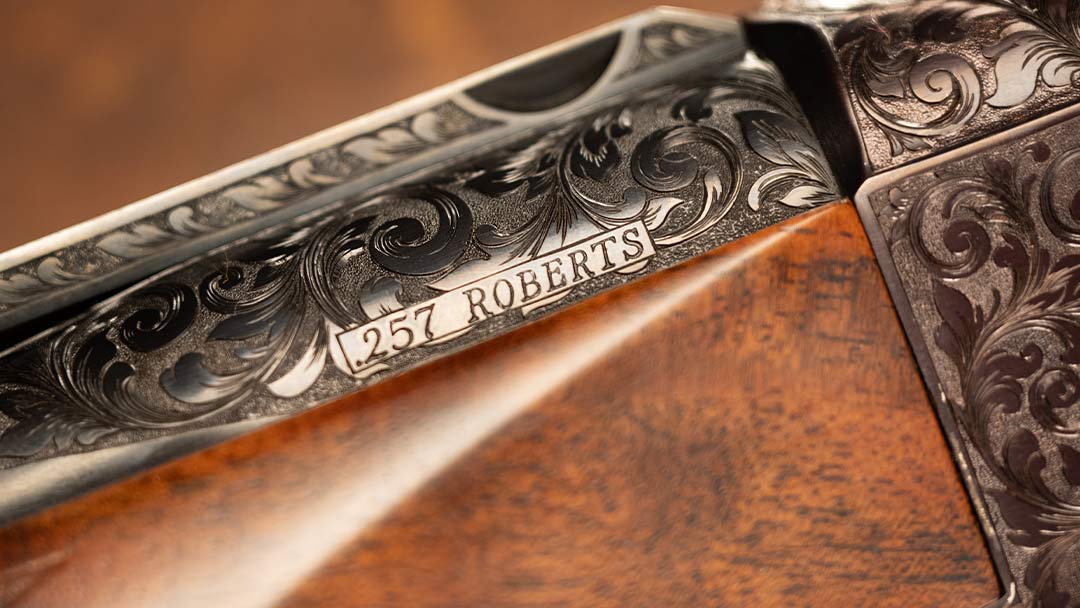
In the 1920s, gunsmith and wildcatter Ned Roberts developed a 25 caliber cartridge from a necked down 7mm Mauser case. Remington modified the design slightly for commercial production and released it in 1934 as the .257 Roberts. An ideal medium game hunting round, the bullet became known for its flat trajectory and ability to reach muzzle velocities of 3,000 fps with lighter loads.
Fastest Factory Bullets
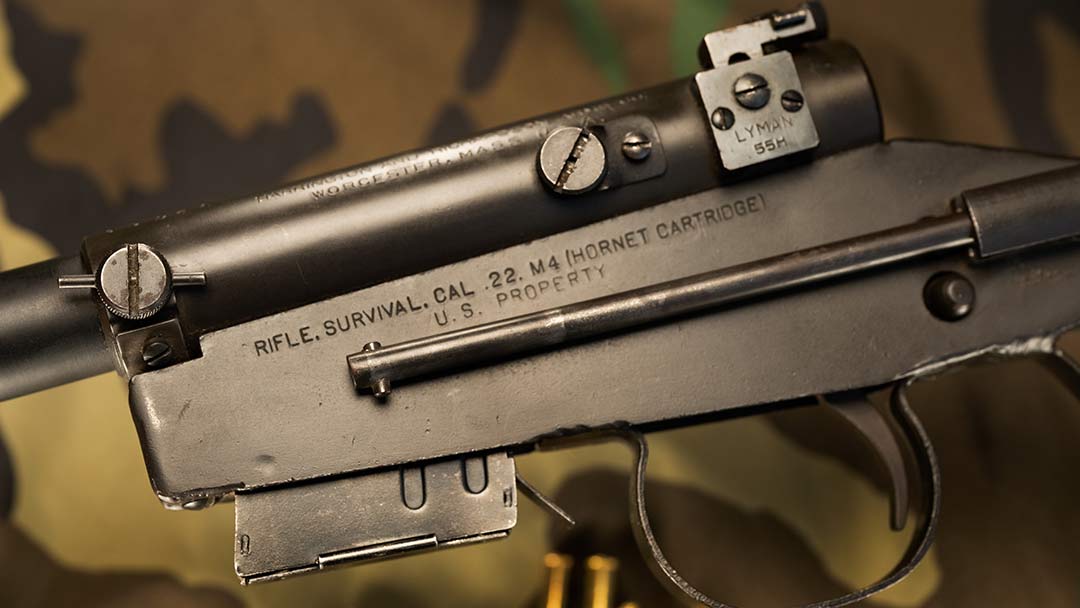
In 1935, Winchester’s experiments with high powder volume, small caliber bullets gave birth to the .220 Swift, .219 Zipper, and .218 Bee. With a muzzle velocity exceeding 4,160 fps, .220 Swift became the fastest bullet by a substantial margin, offering 50% greater muzzle velocity than .22 Hornet and every other factory-loaded varmint cartridge up to that point.
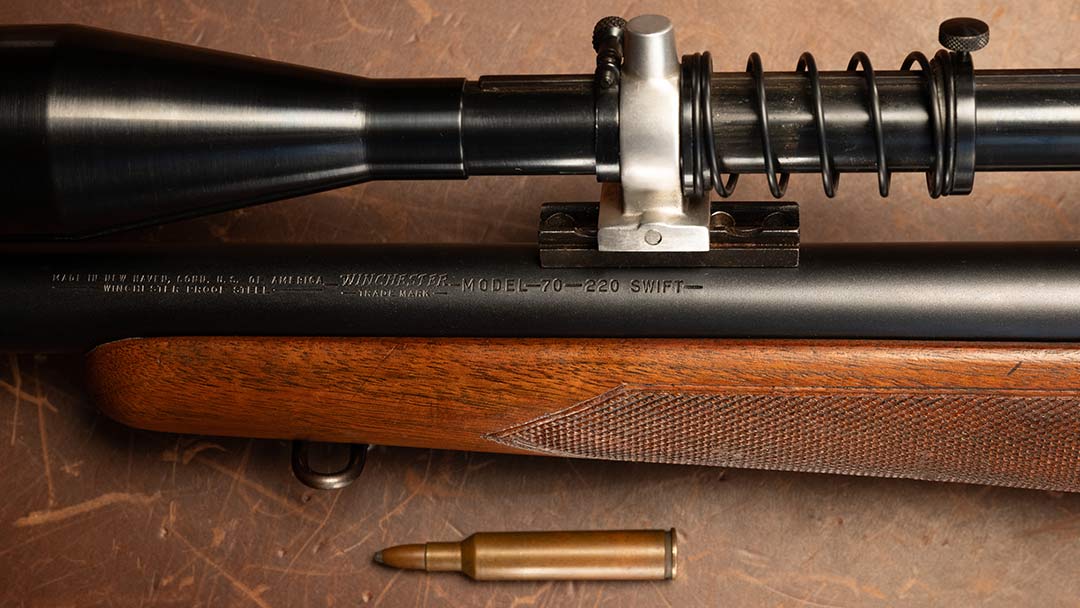
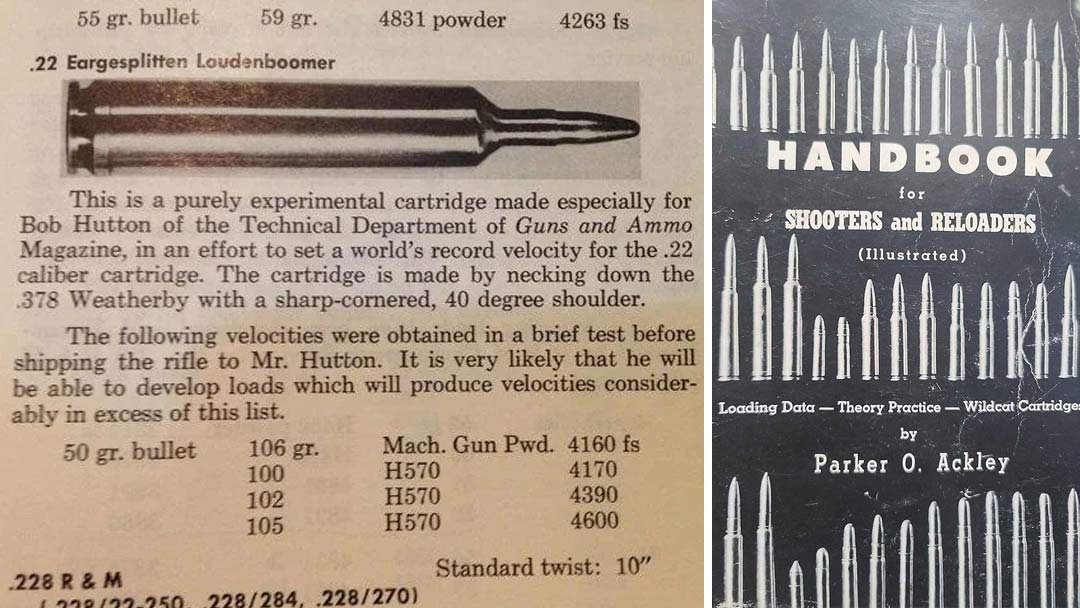
P.O. Ackley’s 1962 ‘Handbook for Shooters and Reloaders (Volume 1)’ recounts a ranger working in Grand Canyon National Park employing .220 Swift in his efforts to cull a destructive population of feral burros. The ranger concluded that “the Swift made more clean, one shot kills than any other caliber used. Range seemed to make little difference… up to 600 yards.”
Complaints of throat burning and barrel erosion hampered the round’s popularity, but today’s modern barrel steels help mitigate these issues, and the .220 Swift remains the .22 speed king.
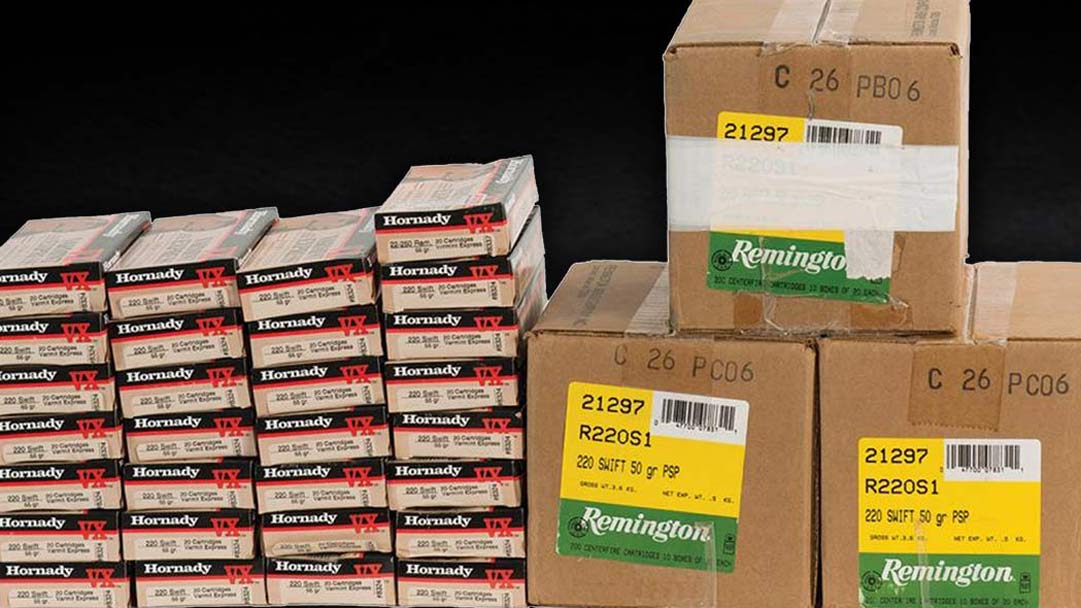
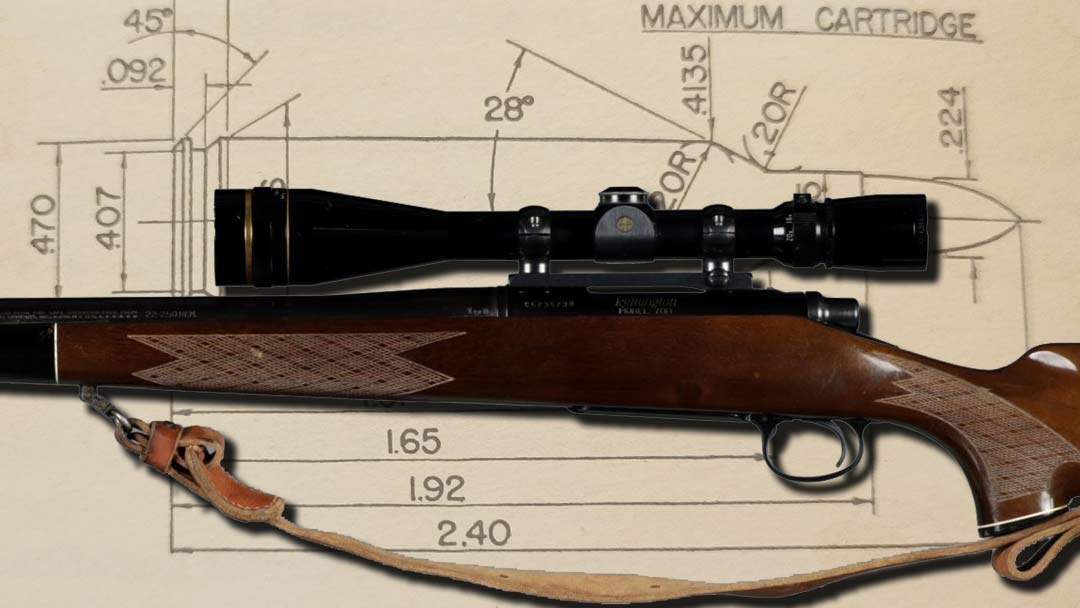
Before the .220 Swift, the .250-3000 Savage round became a popular blueprint for wildcatters looking to crack 4,000 fps. Remington introduced the cartridge as a commercial round in 1965 as the .22-250 Remington and chambered their Model 700 rifle series for the speedy varmint round. Remington’s bullet offered nearly comparable speeds to the .220 Swift and was seen as easier on older gun barrels.
Developed from the H&H Super 30, the .257 Weatherby Magnum became inventor Roy Weatherby’s favorite high velocity cartridge. The flat shooting, long range hunting round was the world’s fastest .25 caliber factory bullet when it hit the market in 1944. Today, a light load of .257 WBY Magnum can reach muzzle velocities as high as 3,825 fps.
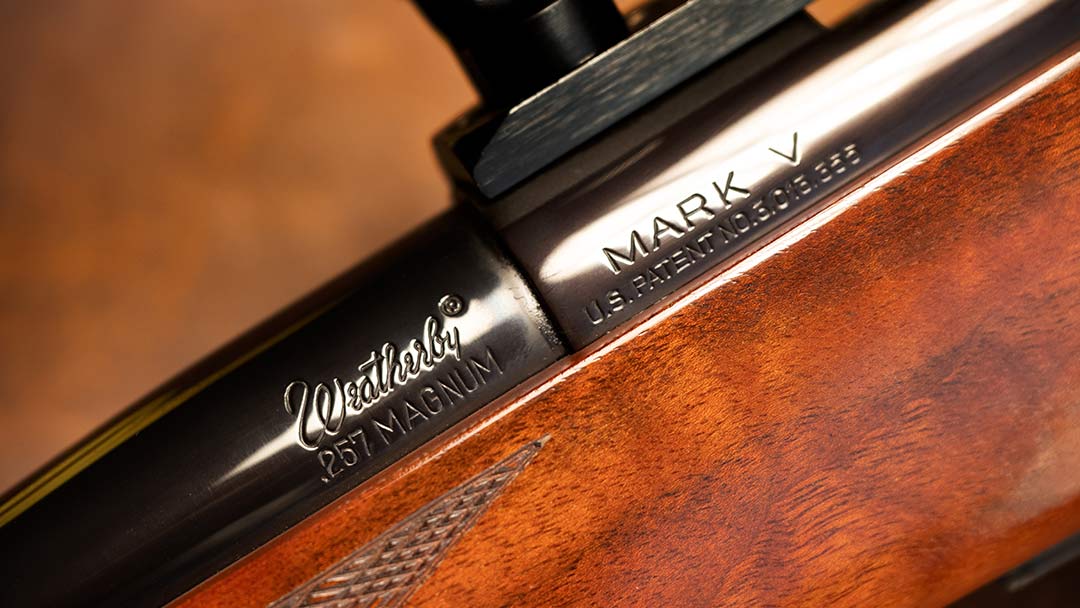
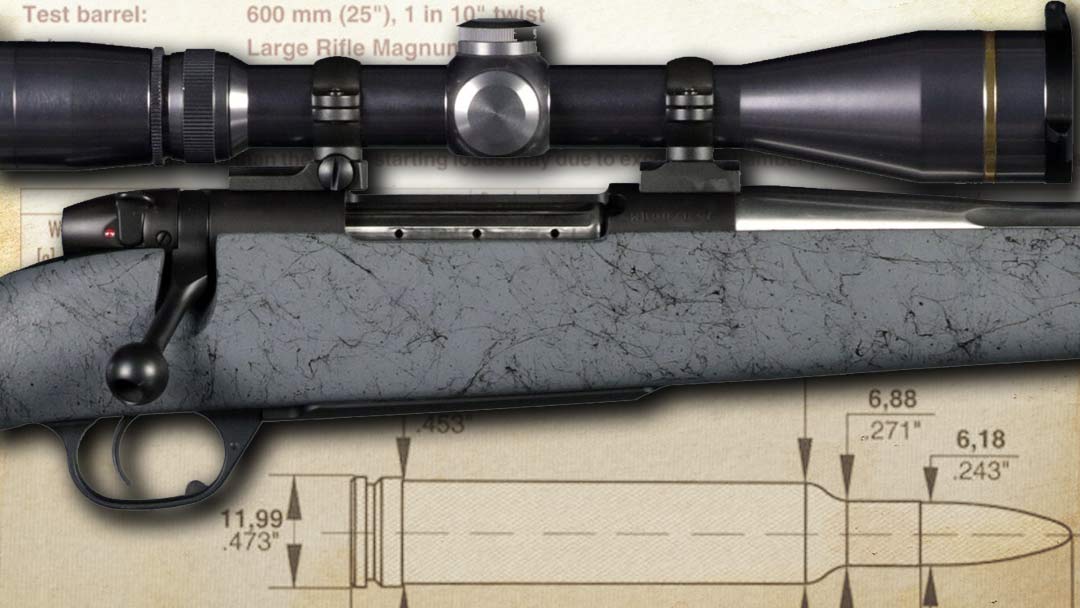
In 1968, Roy Weatherby developed his final cartridge, the .240 WBY Magnum. Based on a .30-06 case necked down to 6mm, the cartridge debuted as the fastest commercial bullet in the 6mm niche, with an 80 grain load reaching 3,500 fps. The .240 Weatherby Magnum is a proprietary round and only used in Weatherby rifles like the Mark V example featured below.
Fastest Recent Bullets
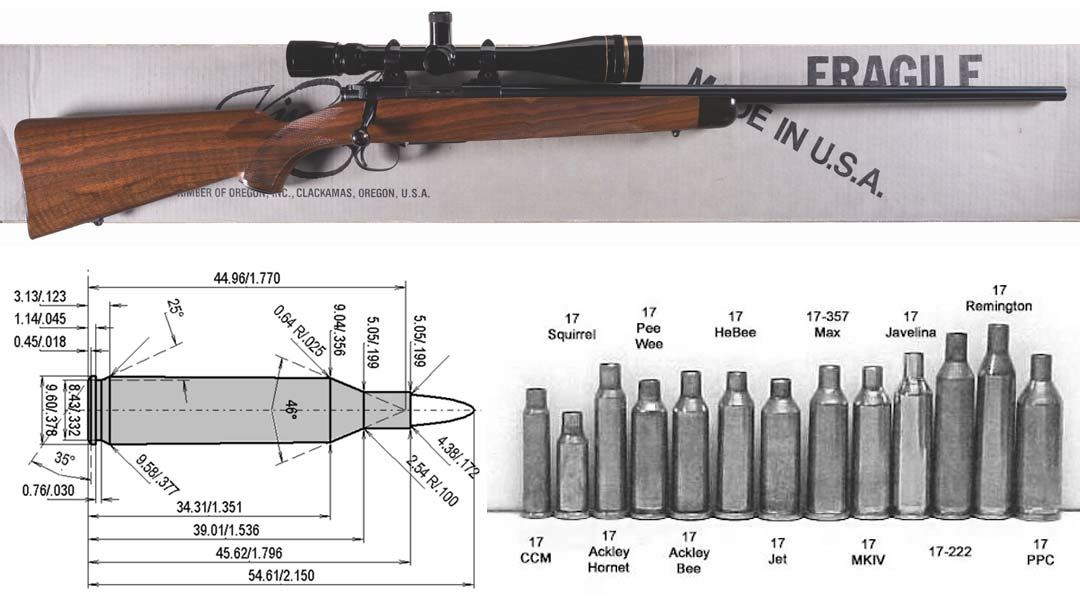
The popularity of the .17 Mach IV wildcat varminting cartridge inspired Remington to develop the .17 Remington Fireball in 2007, one of the fastest bullets today. Over three decades earlier, the company had developed the .17 Remington, another ultra-light, high velocity round that can exceed muzzle velocities of 4,000 fps.
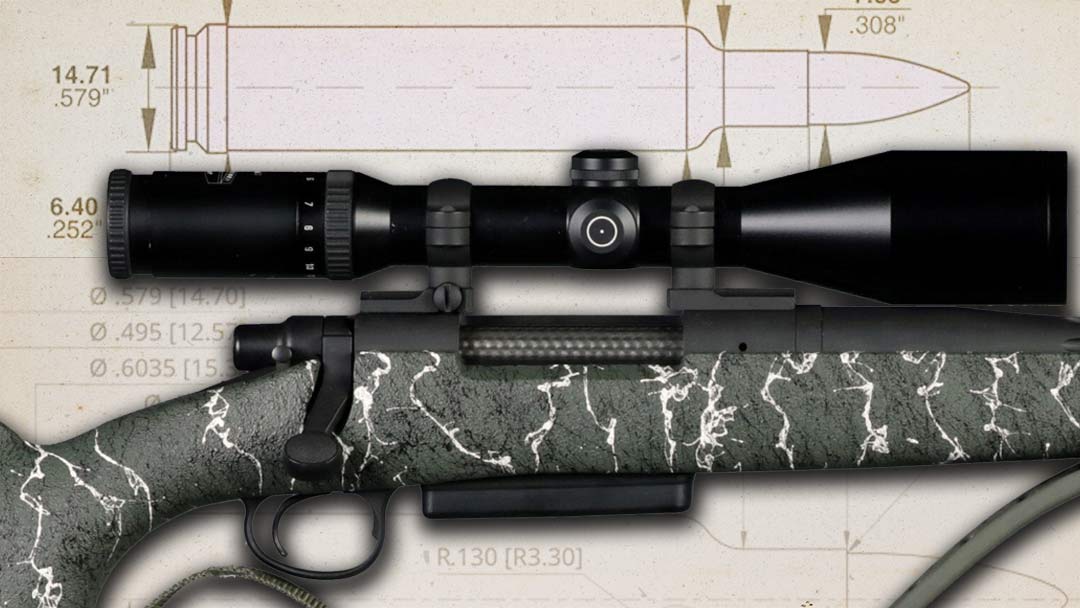
In the .30 caliber space, Weatherby developed the .30-378 for the U.S. Army in 1959, designed to be the fastest bullet of its niche. According to Weatherby, “Loads were to be developed to exceed 4000 FPS and as close to 5000 FPS.”
The cartridge was released commercially in 1996 as the .30-378 WBY Magnum and touted as “the fastest production .30 Caliber available on the market” with “its greatest strength found at ranges exceeding 1,000 yards.” Advertising slogans aside, the .30-378 offers an accurate and effective .30 caliber round that can exceed 3,500 fps.
The .243 Winchester Super Short Magnum, or .243 WSSM, was inspired by the .300 Winchester Short Magnum, the round that started the short magnum craze of the early 2000s. A lightweight bullet was paired with a short, high-volume case to reach impressive muzzle velocities. In the case of the .243 WSSM, over 4,000 fps can be achieved with a 55 grain load.
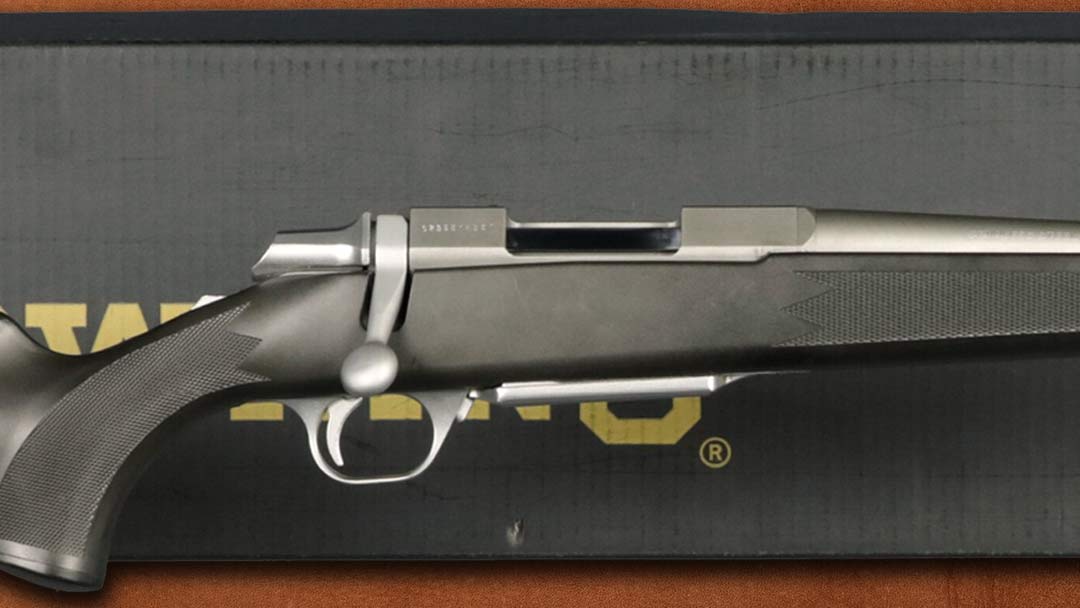
In 2004, Ruger and Hornady teamed up to develop the .204 Ruger, the first commercial .20 caliber cartridge. Based off the .222 Remington Magnum case, the .204 Ruger offers a slim, light recoiling, fur friendly round that will push 40 grain bullets 3,900 fps.
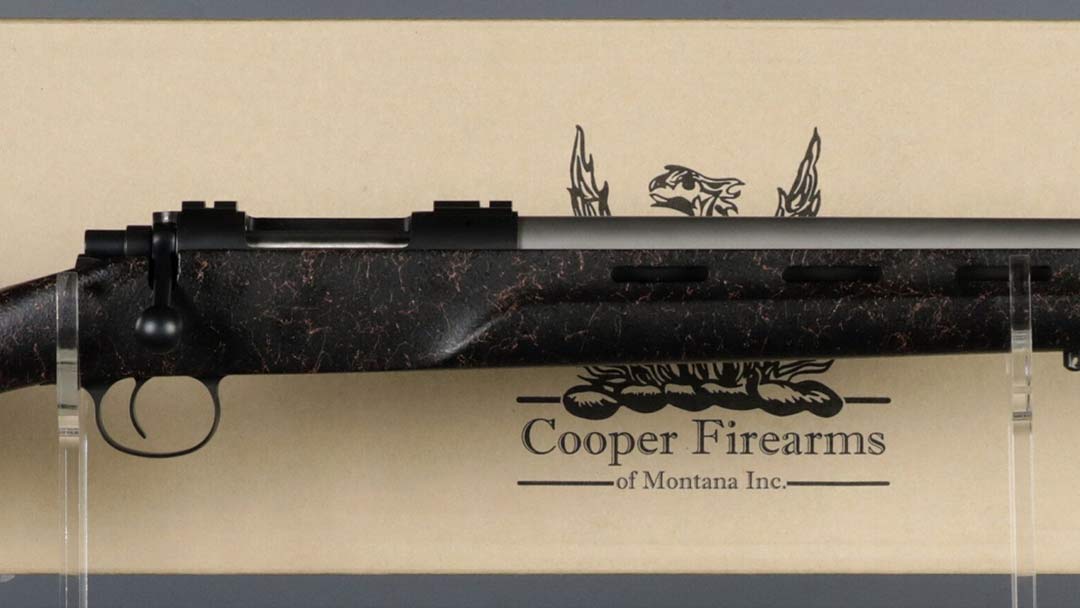
In the 1950s, P.O. Ackley necked down a .22 Hornet case to develop the .17 Hornet. Popularized by Ackley’s writings, the round remained a wildcat favorite for decades. Hornady offered a commercial version in 2011 that went on to win the Shooting Trade Award for best rifle cartridge of 2013. Hornady boasts that the .17 Hornet 15.5 grain NTX round can achieve a muzzle velocity of 3,870 fps.
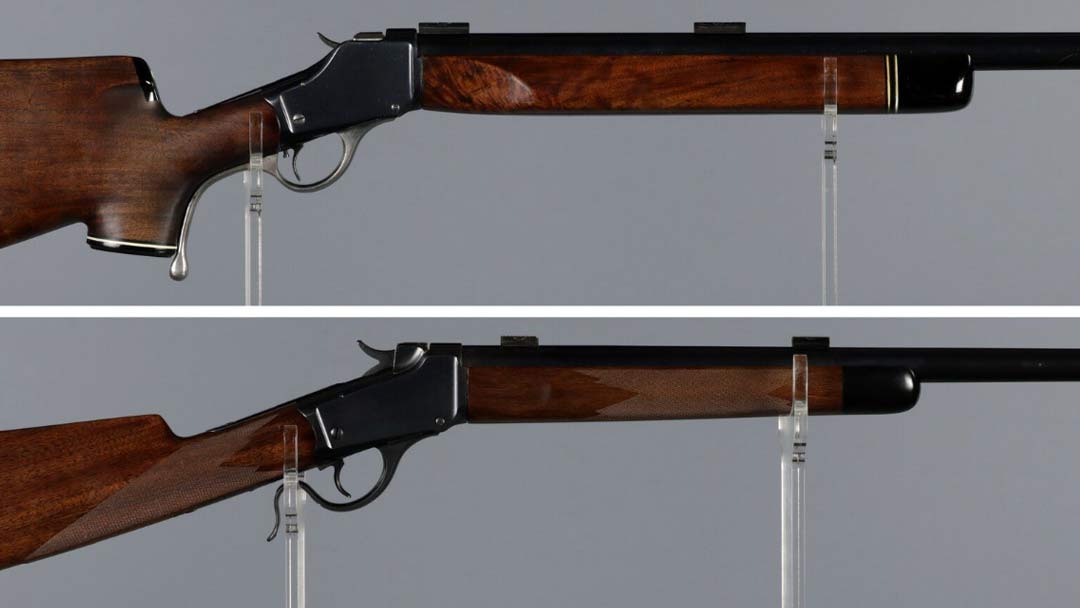
What is the Fastest Bullet?
While a multitude of wildcat loads like .22 Cheetah and .257 STW have been developed that reach impressive speeds, and P.O. Ackley’s humorously named .22 Eargesplitten Loudenboomer was able to exceed 4,600 fps, few factory bullets can compare to the muzzle velocity of the .220 Swift.
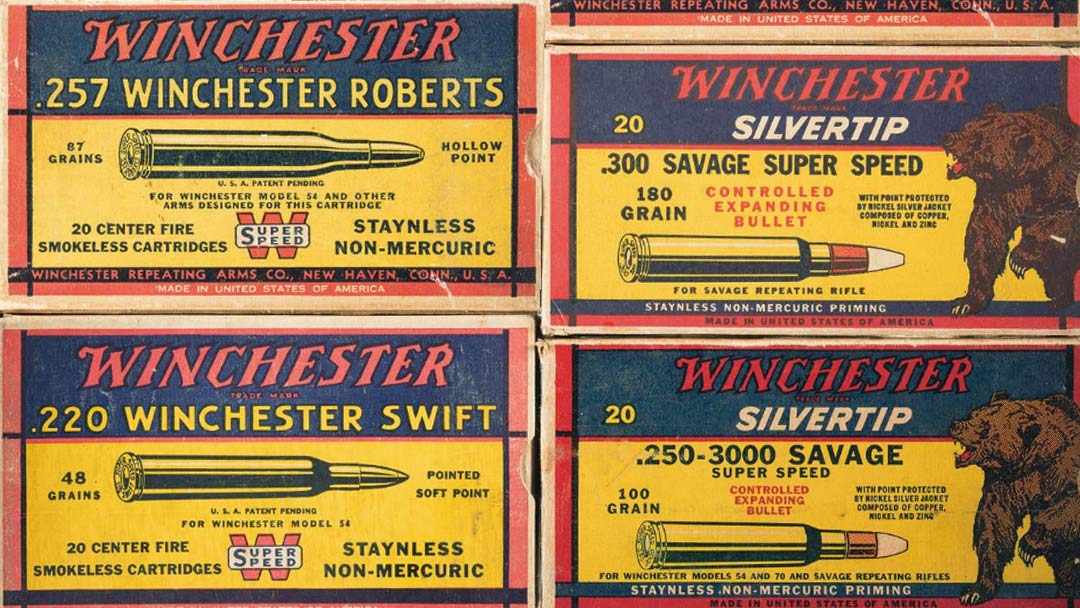
In August 1964, Guns & Ammo published a cover story by technical editor Bob Hutton titled “6000fps World’s Hottest .22!” Using a Winchester .284 case necked down to .22, their engineers launched a 15 grain bullet 6,040 fps multiple times, with one shot clocking in at a staggering 6,585 fps, setting a potential record as the fastest bullet fired from a small arm with any appreciable accuracy. The article cautioned its readers not to try these experiments on their own.
Fast Bullets and Rare Rifles
In an ever evolving market, newer rifles chambered for classic speedsters like the .220 Swift, .257 Roberts, and 7 REM Mag aren’t always easy to come by. Rock Island Auction Company’s Sporting & Collector Auctions offer numerous options chambered in each of these 20th century standards, as well as antique examples chambered for some of the early innovators in cartridge development.
Subscribe to the Rock Island Auction Company’s weekly newsletter for gun blogs and gun videos that touch on the development of some of histories most famous ammunition, including .45 Colt, .44 WCF, .45 ACP, .357 Magnum, .44 Magnum, the straight wall cartridge, the 10 gauge shotgun, the 16 gauge shotgun, .30 Carbine, 5.56×45 mm, and intriguing curiosities like pinfire ammunition, the Volcanic cartridge, the Gyrojet rocket, the trounds produced for the Dardick auto-loading revolver, and the mighty .950 JDJ.