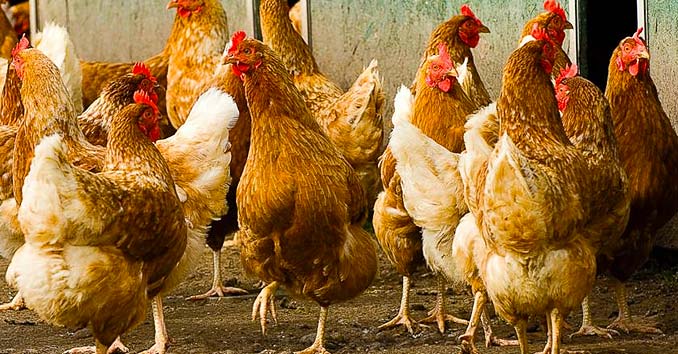
With rising inflation, worldwide political instability, out-of-control grocery prices, and social unrest, more and more people are looking for ways to feed themselves and their families without relying on antiquated systems that no longer guarantee food during emergencies and crisis situations. Because of these concerns, backyard chickens are rapidly gaining popularity as more and more people are looking to learn how to raise chickens to gain some independence and food security.
Before the days of Walmart, raising chickens was a pretty normal thing to see. Even in the city, people would keep chickens as a way to have fresh eggs and control bug problems. However, with more people turning towards organic foods and backyard gardens, raising chickens is starting to increase in popularity again. From knowing where your food came from to making sure your family has fresh food during an emergency, there are several reasons that people decide to raise chickens.
Benefits of raising your own chickens:
Fresh and Nutritious Eggs: One of the most obvious benefits of raising your own chickens is the access to fresh and nutritious eggs. You will always have access to eggs laid within the last 24-48 hours and contain more vitamins and beta-carotene. A single hen can lay up to 200 a year, and you give yourself a fresh organic food source, free of pesticides and chemicals.
Cost Savings: When you have your own chickens, you will be able to save money by not having to purchase eggs at the store. In addition, chickens can be raised for their meat as well, providing a cost-effective protein source.
Pest Control: Chickens are a great way to keep bugs from infesting your garden. Chickens can help control pests in your garden by eating insects, ticks, and other bugs. This can help reduce the need for chemical pesticides and keep your garden healthier.
Fertilizer: Chicken manure is an excellent source of natural fertilizer that can help improve soil quality and produce healthier plants. They produce good nitrogen-rich manure that when mixed with your compost, is excellent for plants.
Education: Raising chickens can be a great way to teach children about the responsibility of caring for animals, the source of their food, and the basic principles of biology.
Personal Satisfaction: Many people find raising chickens a rewarding hobby providing a sense of pride and accomplishment. It can also be a stress-relieving and peaceful activity.
How to get started and things to consider when deciding to raise backyard chickens
While there are a couple of breeds of chickens that produce eggs and meat, most chickens are bred either for their meat, or for their eggs.
For the beginner, we recommend either buying a couple of young female chickens that have just started to lay eggs, or a few baby chicks that have already hatched. You can also buy fertilized eggs and keep them in an incubator until they hatch, but baby chicks are much easier to deal with when you’re just starting out.
Get educated
The first thing to do when you’re thinking about raising chickens is to learn as much as you can about them. You need to know about their daily needs, the kind of feed they require, and how to keep them safe from predators. Many resources are available to help you learn about raising chickens, including books, blogs, and chicken-keeping forums.
Build a coop
Chickens need a safe and secure place to live, and that means building them a coop. You can buy a coop or build your own if you’re handy with tools. A good coop should provide enough space for your chickens, be easy to clean, and include a roosting area and nest boxes.
Provide for their basic needs
Chickens need food, water, and shelter, just like any other animal. Feeding your chickens a balanced diet is important for their health and laying eggs. You can buy chicken feed at a feed store or online. Chickens also need fresh water daily, and their water should be changed often to prevent bacteria buildup.
Give them a place to free-range
Chickens love to scratch and peck around, so providing them with a place to do so is essential. A fenced-in yard is an excellent option for providing your chickens with the room they need to explore their surroundings. Just be sure to protect your flock from predators like foxes, raccoons, and coyotes.
Keep them healthy
Chickens can get sick just like any other animal, so monitoring their health and taking action if you notice any signs of illness is essential. Provide a clean environment and watch for any unusual behavior or symptoms, such as lethargy, loss of appetite, or breathing difficulties. If you’re unsure about the health of your chickens, consult a veterinarian specializing in poultry.
Enjoy the fruits of your labor
Raising chickens can be a rewarding experience, especially when you start to see the benefits of fresh eggs that taste far better than store-bought eggs. Collecting eggs from the nest boxes is a fun and satisfying part of chicken keeping that you’ll soon come to love.
What to feed your chickens
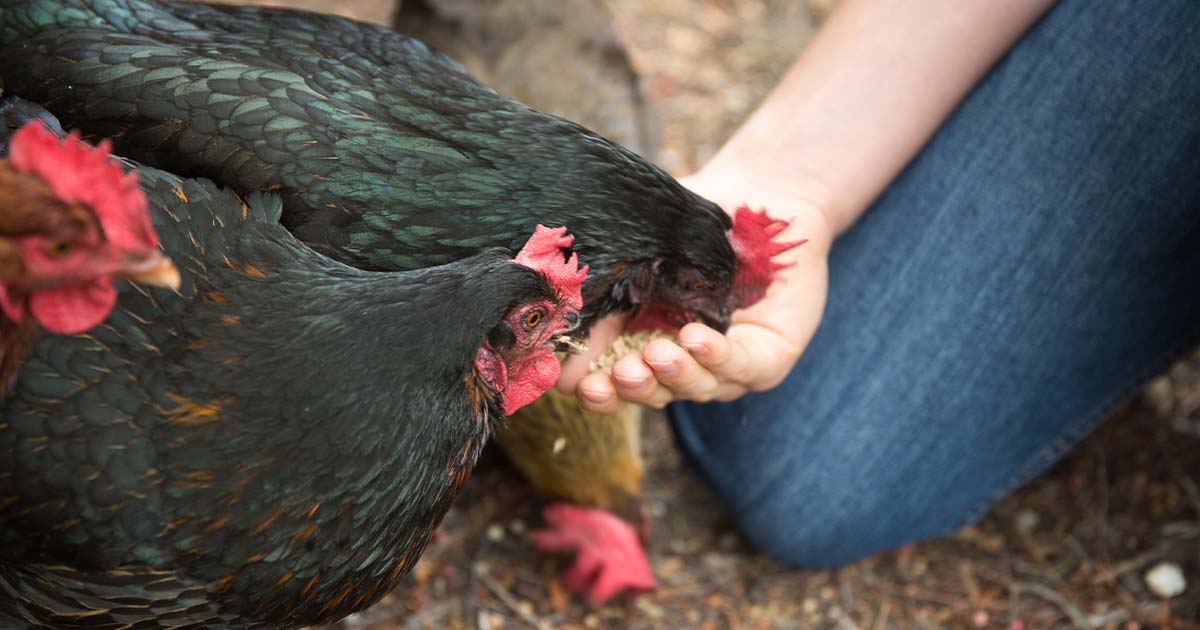
The taste of your chickens meat and eggs has a lot to do with proper feeding and watering.
Water – Each hen will drink approximately 2 cups of water per day. It’s very important to always have a fresh supply of water for your chickens.
Food – Chickens need 3 basic things:
- Grains – Wheat, corn & oats.
- Greens – Greens can be made up of grass, weeds and other fresh vegetables from your garden.
- Protein – During the summer months most of the protein that your chickens need can come from bugs. If supplementation is needed you can use soybeans, fish meal, worms, milk and or meat.
Homemade Chicken Feed Recipe:
You can purchase chicken feed from just about any feed store, but making it yourself can save money and ensure that you know what your chickens are eating.
2 Parts corn meal
3 Parts soft white wheat
3 parts hard red winter wheat
1 Parts oat groats
2 Parts sunflower seeds
1 Parts split peas
1 Parts lentils
1 Parts sesame seeds
1 part quinoa
1/2 Parts flax seed
1/2 part kelp
Chicken Coop: Building a Shelter for your Chickens
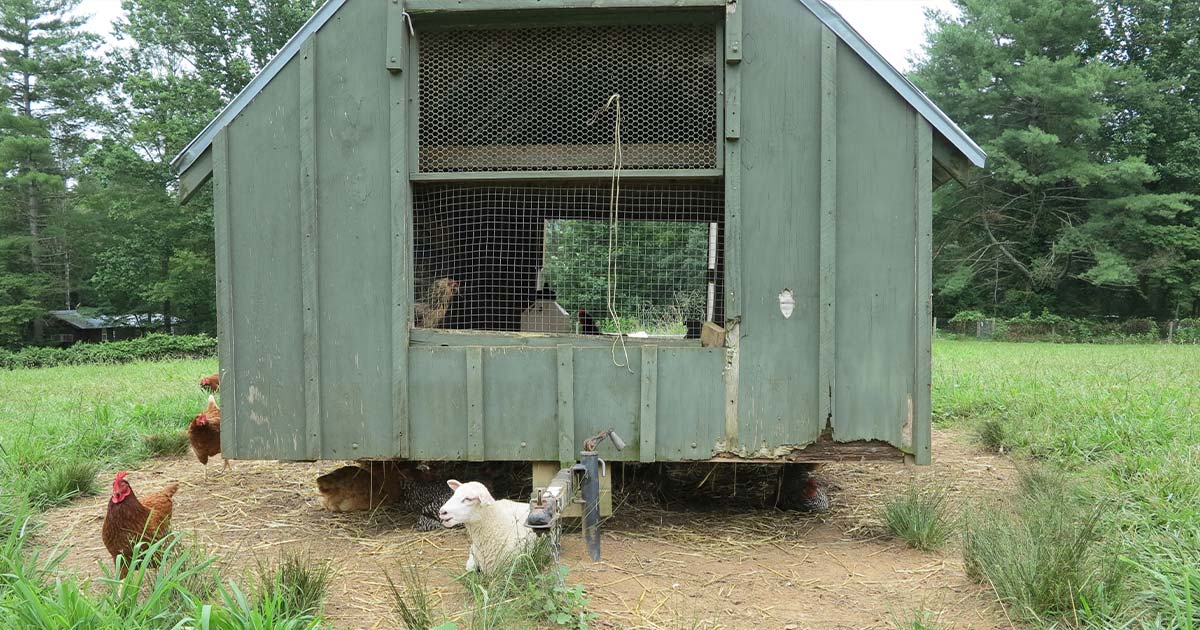
A chicken coop doesn’t have to be overly complicated or expensive. In fact, a decent coop can be made with materials that you probably already have. The basic Chicken coop is made up of some wood and a couple of feet of chicken wire. The floor can be Lind with wood shavings or straw for easy cleanup.
Also, if you have the room we suggest enclosing a large area so your chickens can roam free and feed off the bugs and grass.
Choose a Design
Start by choosing a design that suits your needs and preferences. Then, you can either buy a pre-made coop or build one from scratch. Consider the number of chickens you have or plan to have, your space, and the climate in your area.
Gather Materials
Once you have the design, gather all the necessary materials, such as lumber, hardware, and wire mesh. Measure and cut the lumber according to the design’s specifications.
Build the Frame
Start by building the frame of the coop. Use 2×4 lumber to make a rectangular frame for the base. Then, attach four 2×4 posts at the corners to support the roof. Secure the posts and the base frame using screws and brackets.
Add Siding and Roofing
Next, add the siding and roofing materials to the frame. Use plywood or similar material for the walls and cover them with a weather-resistant and chicken-safe material such as siding or paint. Use corrugated metal or shingles for the roof, depending on your preference and budget.
Install Windows and Ventilation
Ventilation is critical to prevent respiratory infections and heatstroke in chickens. Install windows and vents on the coop’s walls to allow fresh air to circulate and sunlight to enter. Cover them with wire mesh to prevent predators from accessing the coop.
Add Perches and Nesting Boxes
Chickens need perches to roost at night and nesting boxes to lay eggs. Make perches by attaching 2×4 lumber to the coop’s walls, making sure they’re at least 18 inches apart. For nesting boxes, build individual cubbies using wooden crates or other sturdy materials.
Install a Feeder and Waterer
Lastly, install a feeder and waterer inside the coop. Use hanging or gravity-fed models to prevent spillage and contamination. Make sure they’re raised from the floor and secured in place.
Resources for Raising Chickens
Books:
Commercial Pre-Built Chicken Coops: