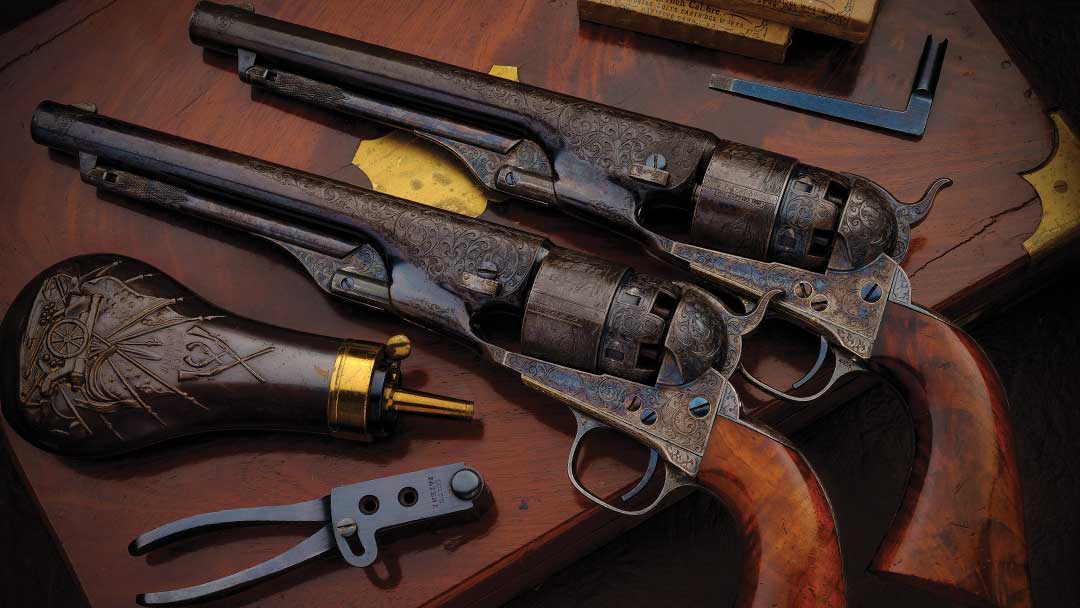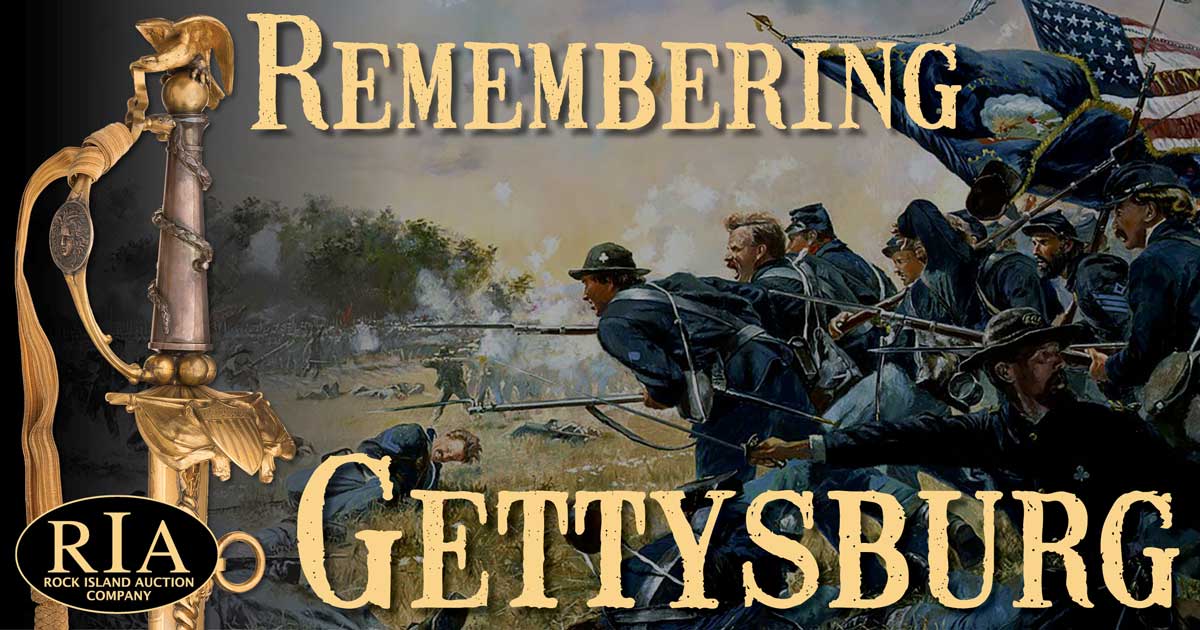
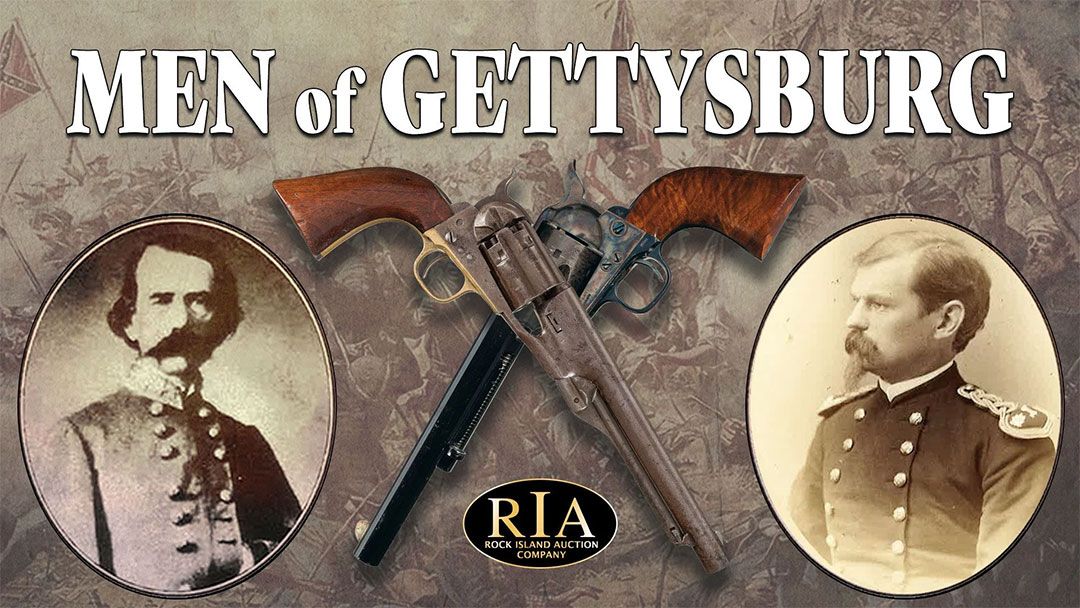
160 years ago, the Battle of Gettysburg marked a critical turning point in the American Civil War. Taking place around the town of Gettysburg, Pennsylvania, the three-day engagement pitted 85,000 Union soldiers against 75,000 invading Confederates, resulting in devastating casualties on both sides. Artifacts linked to this pivotal battle are some of the most revered items in Civil War collecting, and examining the stories behind these treasures can provide a broader perspective on the battle that changed American history.
The Battle of Gettysburg
On July 1st, 1863, General Robert E. Lee’s Confederate Army of Northern Virginia collided with a portion of the Union Army of the Potomac at Gettysburg, surprising the Union cavalry. Both sides gathered reinforcements, with the Union fortifying a series of hills and ridges south of town.
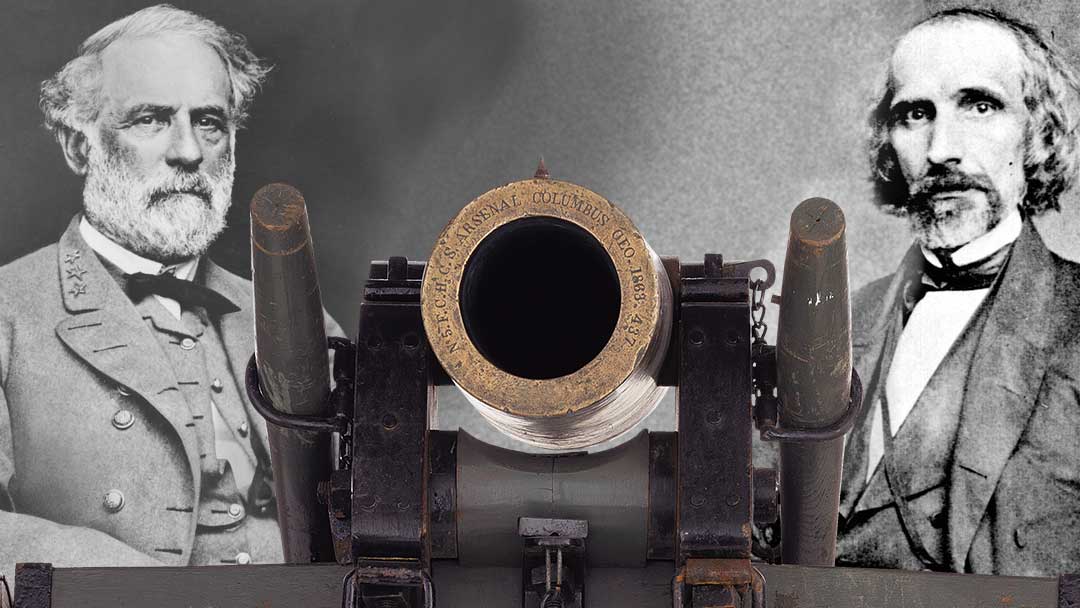
June 2nd saw tens of thousands of new arrivals at Gettysburg, including Union General George Meade, who’d only been appointed to command the Army of the Potomac three days earlier. Colonel Emory Upton and his 121st New York Regiment reached the battle after a grueling 16-hour march. Upton’s unit was set to work reinforcing the Union’s left flank at Little Round Top.
In a letter to his sister, Upton wrote: “For about ten minutes I watched the contest, when it seemed that the weight of a hair would have turned the scales. Our men fought most gallantly. The rebels began to give way, and soon retreated in utter confusion.”
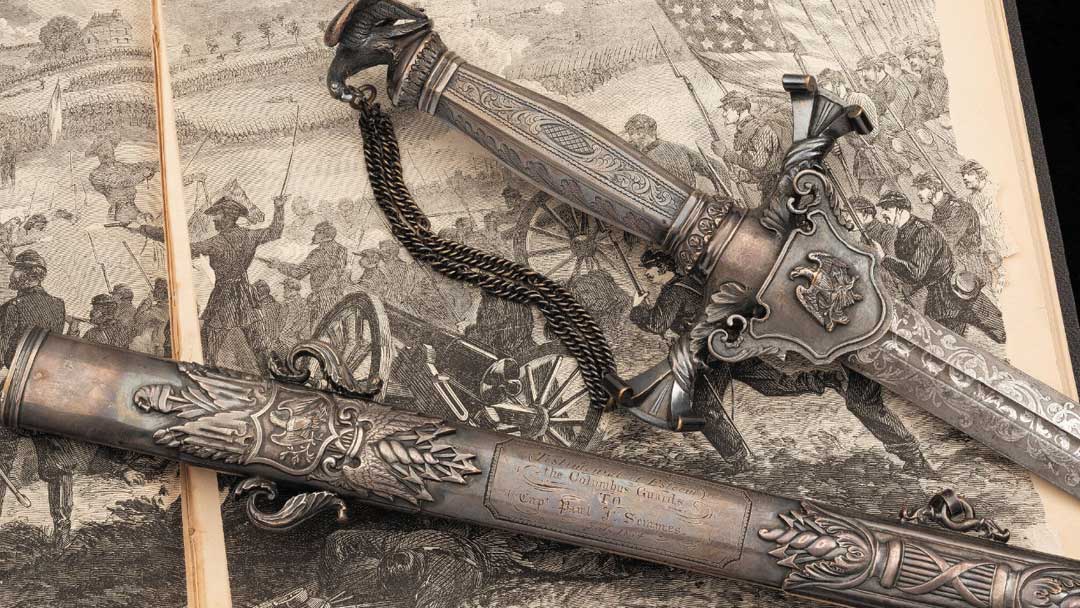
On the opposing side of the field, Brigadier General Paul J. Semmes of Georgia led a Confederate assault on the Little Round Top, where he fell mortally wounded. Semmes passed away 8 days later, asking to hold his sword and his bible with his last breath.
Norm Flayderman, an author, collector, dealer, and revered authority in the antique arms field, explained,
“There are few Confederate edged weapons that can compare to the silver and diamond-studded sword of Brig. Gen. Paul Jones Semmes. His treasured sword by Ames, the Rolls Royce of American sword makers, embodied all that was dear to a Southern patriotic gentleman – stature, elegance, duty, and valor. He was mortally wounded in the Wheatfield at Gettysburg while wielding it. He died grasping it.”
Robert E. Lee wrote that Semmes, “died as he had lived, discharging the highest duty of a patriot with devotion that never faltered and courage that shrank from no danger.”
Gettysburg Day 3: The Battle Turns
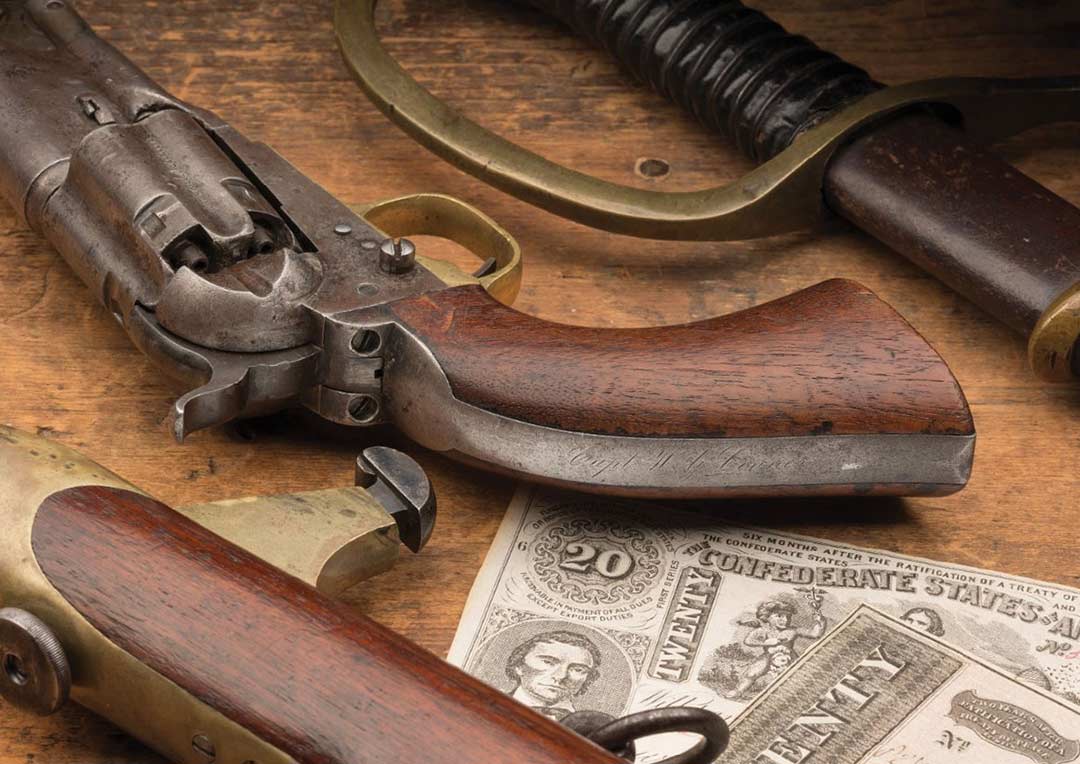
On the third and final day of the bloody battle, 12,500 Confederate infantry assaulted the Union center on Cemetary Ridge, an action known as ‘Pickett’s Charge.’ Confederate Major William Gustine Conner of the Jefferson Davis Cavalry Legion fought in a fierce cavalry assault as General J.E.B. Stuart tried to draw Union forces away from the center of their line to assist in General Pickett’s efforts. Conner was a wealthy cotton grower who had served the Confederacy since the start of the war.
The Mississippi Historical Society has documented testimony that Conner rode into the fray “amid the rattle of pistols and clashes of sabers, he seized a guidon (a cavalry standard or flag) of the enemy, and when ordered to surrender drew his pistol and killed two of his assailants before being killed himself.”
In General Stuart’s report of the Battle of Gettysburg, he writes, “Among the killed was Major Conner, a gallant and efficient officer of the Jeff. Davis Legion.”
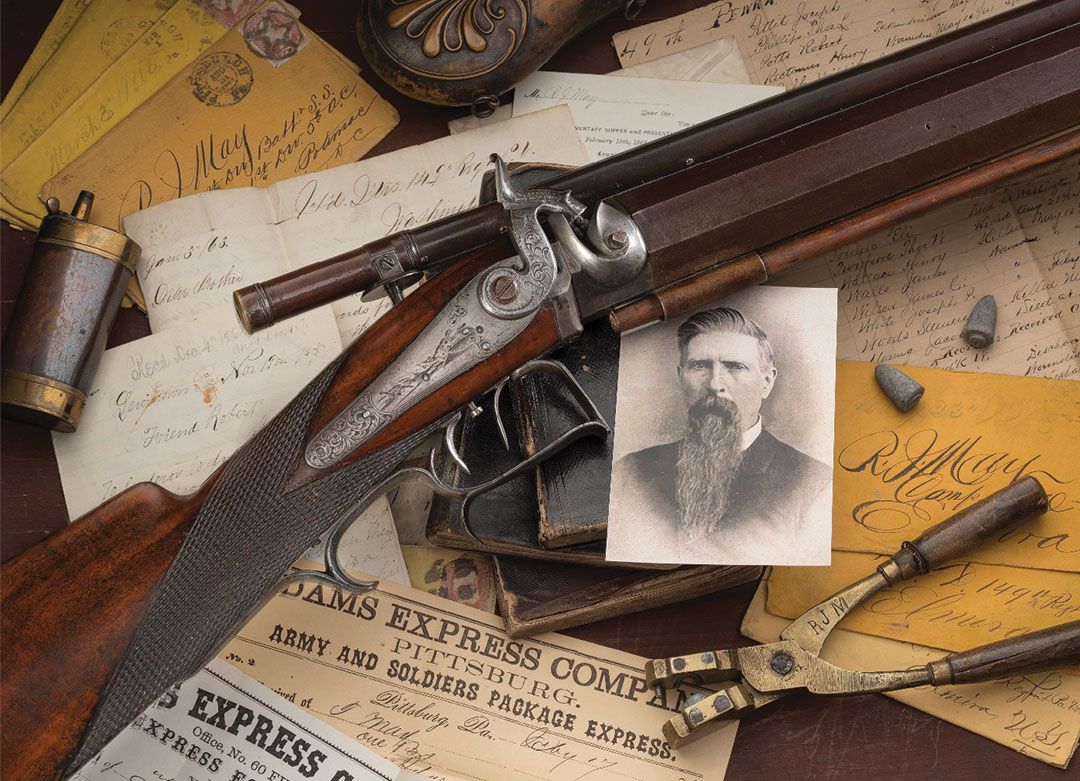
Gettysburg swords and firearms owned by generals and officers are rightfully revered, but the documented arms of the common soldier can be equally valued among Civil War collectors. Union sharpshooter Private Robert John May served as a marksman in Company D of the famous 149th Pennsylvania Volunteer Infantry Regiment, which is honored today with three monuments on the Gettysburg battlefield.
Private May recorded his experiences at Gettysburg in detail, including a July 3, 1863 dairy entry that reads, “Remained all last night on picket – had no sleep – a most disagreeable duty we lay on the Battlefield with dead and dying on all sides- the suffering of the wounded was terrible… This morning the enemy opened on our lines with their [artillery] – very soon they got their answer and more – the nearest Reb Battery was only about 500 yds. in front of us where we sat at the picket line….we lay under the fire of both lines of artillery for nearly two hours – our own guns came very near ruining us several times – dropping shells within a few feet of us…”
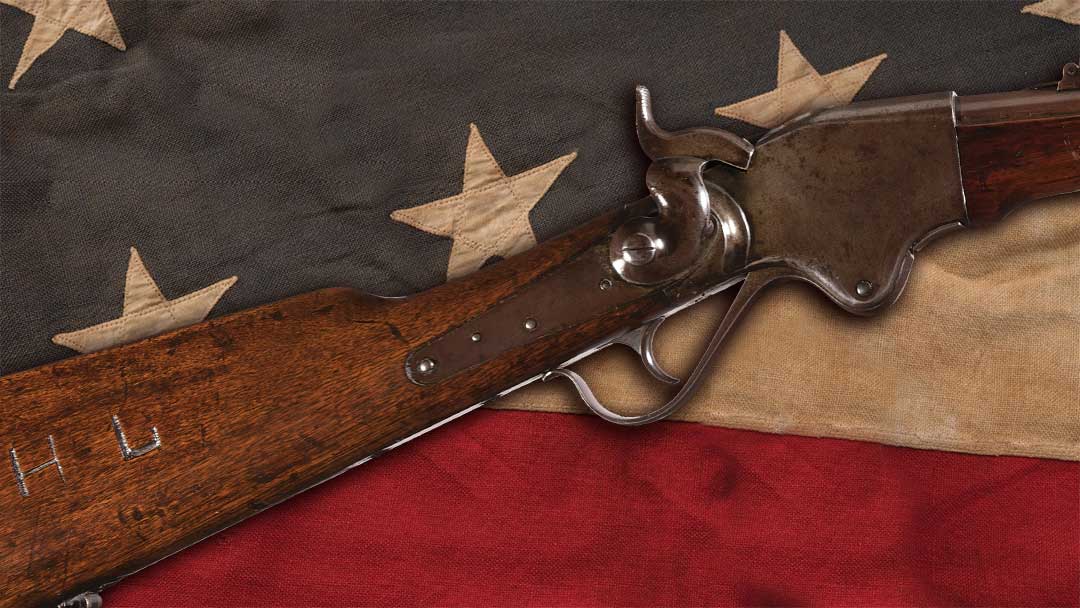
Sharpshooting rifles weren’t the only advanced firearms to aid the Union victory at Gettysburg. Ordnance records of the 5th and 6th Regiments Michigan Cavalry, part of General George Armstrong Custer’s “Wolverines,” indicate that the two regiments fielded 572 Spencer rifles between them during the Battle of Gettysburg and carried around 10,000 rounds of ammunition. The 5th and 6th Michigan put their “Spencer seven shooters” to the test as they engaged Jeb’s Stuart’s calvary behind the Union right and helped drive back the Confederate assault.
Gettysburg Aftermath
160 years ago, Robert E. Lee’s invasion of Pennsylvania was repelled at the Battle of Gettysburg, sending the Confederate army reeling back to Virginia and crippling their prospects for future offensives. As many as 51,000 men were killed, injured, or lost to action at Gettysburg, the bloodiest single engagement of the Civil War.
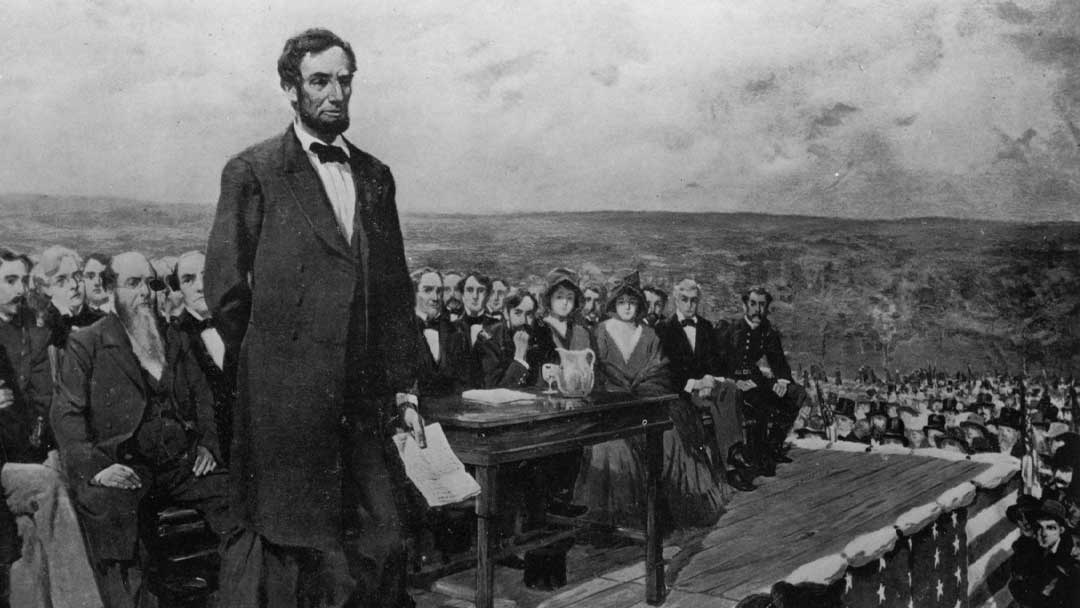
On November 19th, President Lincoln visited the battlefield and delivered one of his defining speeches with the Gettysburg Address, declaring, “…we here highly resolve that these dead shall not have died in vain—that this nation, under God, shall have a new birth of freedom—and that government of the people, by the people, for the people, shall not perish from the earth.”
Gettysburg National Military Park
In the years following the Civil War, Gettysburg became a site of national mourning and remembrance. Daniel Sickles, who’d served as a Union general during the Civil War, became an advocate of preserving the Gettysburg battlefield. In 1894, now Congressman Sickles introduced legislation to create Gettysburg National Military Park, which President Cleveland signed into law the following year.
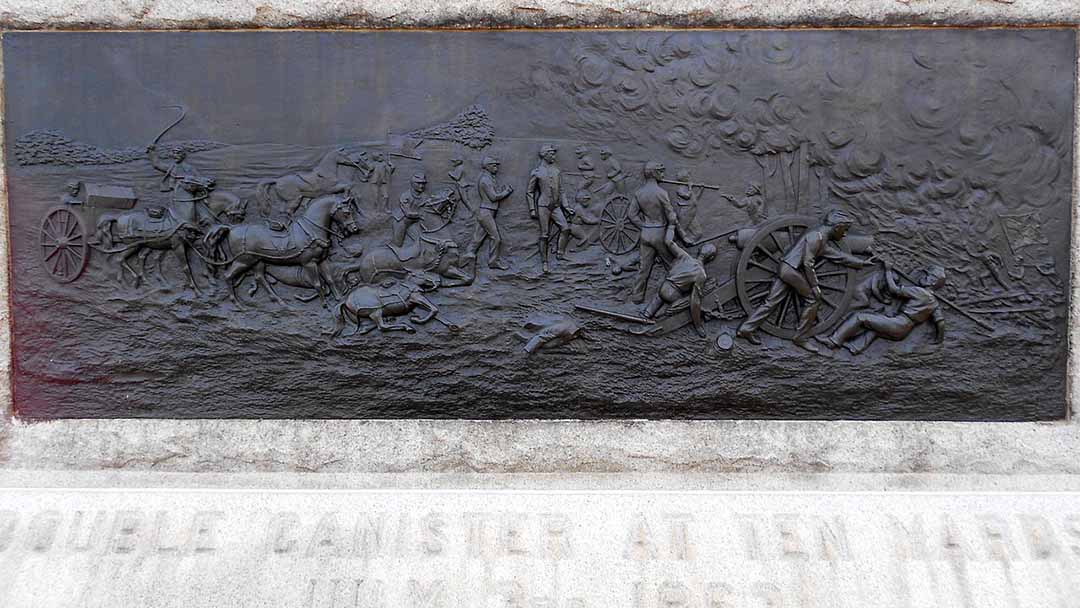
Daniel Sickles spent the rest of his life leading the New York Monuments Commission for the Battlefield of Gettysburg, raising money for memorials that honored New York’s regiments and making sure they were property located. Today, Gettysburg National Military Park includes 1,328 monuments, memorials, markers, and plaques that commemorate the men who fought and died during the Battle of Gettysburg.
Collecting the Civil War
The 160th anniversary of the Battle of Gettysburg is a solemn reminder of the sacrifices made during a devastating Civil War that touched nearly every family in America. The Union victory halted General Lee’s advance and solidified President Lincoln’s resolve to preserve the Union at any cost. As Lincoln noted when commemorating the Gettysburg National Cemetery, “The brave men, living and dead, who struggled here, have consecrated it, far above our poor power to add or detract. The world will little note, nor long remember what we say here, but it can never forget what they did here. It is for us the living, rather, to be dedicated here to the unfinished work which they who fought here have thus far so nobly advanced.”
‘History Lives Here’ isn’t just a slogan at Rock Island Auction Company, it’s an appreciation for the items we curate and an acknowledgment of the immense responsibility that comes with handling weapons and militaria associated with some of the most pivotal events that have shaped our world today. Civil War arms collecting can help bridge the gap between the past and the present and ensure that these immensely historic arms and the stories behind them are preserved for generations to come.