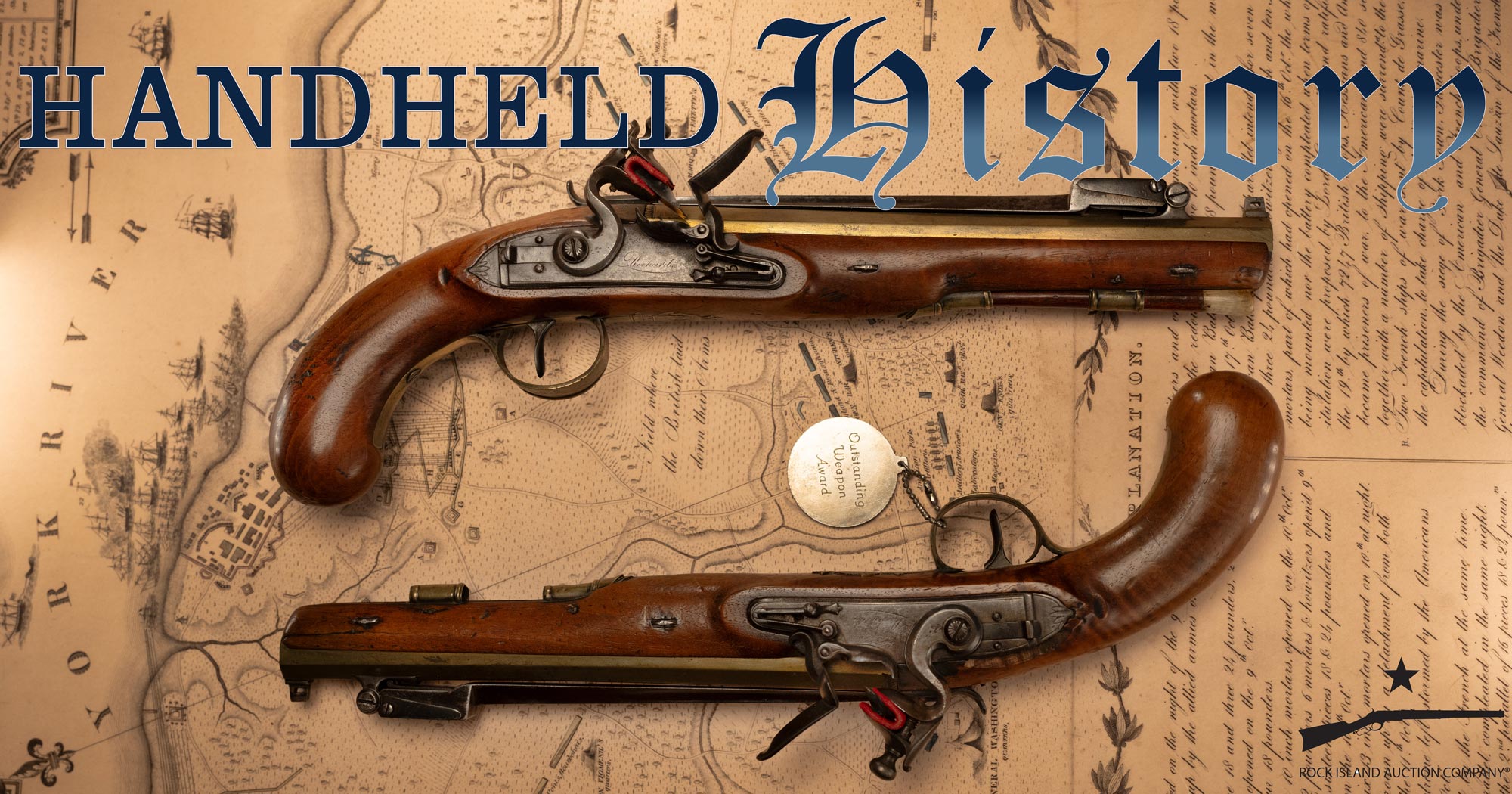
The first antique guns illustrated in English manuscripts date back to 1326 and the first mention of “hand gonnes” dates to 1380, and in China they appear even earlier. Handfired weapons are some of the oldest gunpowder based arms in recorded history.
Through their centuries of use, technology has changed drastically, but for nearly 200 years innovation slowed to a trickle and the flintlock reigned supreme. The flintlock, that followed the matchlock and wheellock, does exactly what it says, using a piece of flint to strike against hardened steel to create a shower of sparks that ignites the gunpowder and fires the gun.
This new technology was adopted by the French Army in 1648 and proved to be the leading firearm platform until the rise of percussion guns in the early 19th century, used in antique pistols, muskets, blunderbusses and fowling pieces.
Flintlocks became an English specialty by the likes of craftsmen like John and Joseph Manton, Henry Nock, but interest was international in the reliable and relatively simple to manufacture mechanism, and continued even after the dawn of the percussion ignition. English-made antique pistols as well as French, Scottish and American pistols will be on offer in Rock Island Auction Company’s Oct. 4-6 Sporting & Collector Auction.
English Antique Pistols
Going on a journey of antique pistols, start with the Georgian Period of the 18th century and early 19th century that was the flintlock’s hay day before British gunmakers Robert Adams and William Tranter were offering their double action revolvers and firms like Purdey and Boss weren’t yet on the scene.
Henry Nock was widely recognized for his guns being able to be taken apart without tools, using removable pins rather than screws. He served as one of the main suppliers of flintlocks during the American Revolution and Napoleonic Wars. His business eventually became Wilkerson Sword that made officer swords for the British Army but today is known primarily for making shaving equipment.
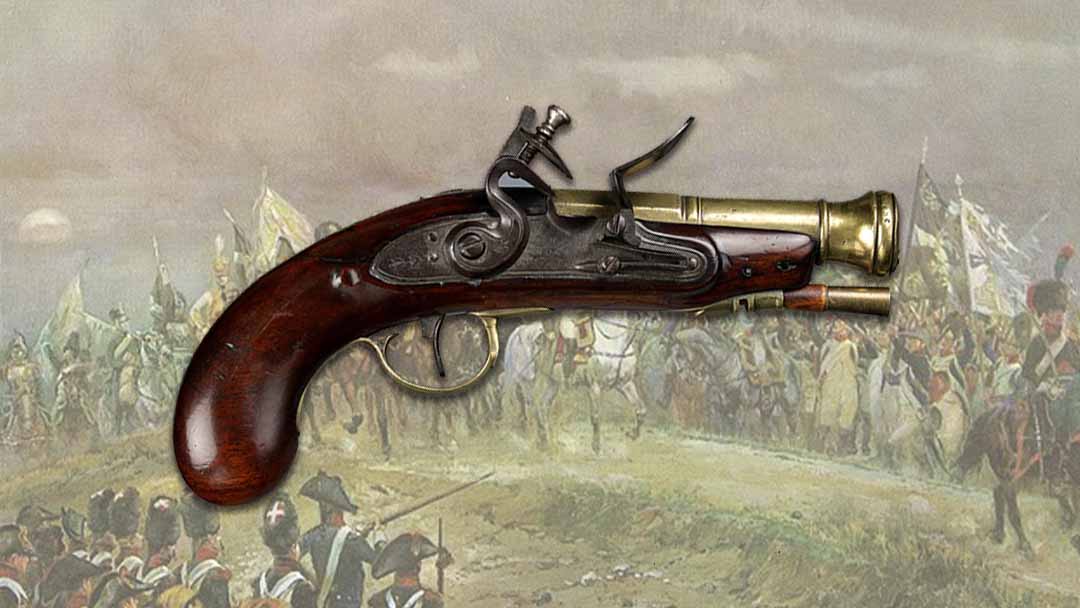
English gunmaking would soon be dominated by Joseph Manton and the parade of legendary gunmakers who worked under him: James Purdey, Thomas Boss, William Greener and Charles Lancaster to name a few. Manton started working for himself in 1789 at the age of 23 and recorded twice as many patents than any other gunmaker in his lifetime. Among them was the tube lock that used small tubes of percussion compound to ignite the powder. It would soon be overpowered by the percussion cap that would dominate 19th century firearms until the metallic cartridge.
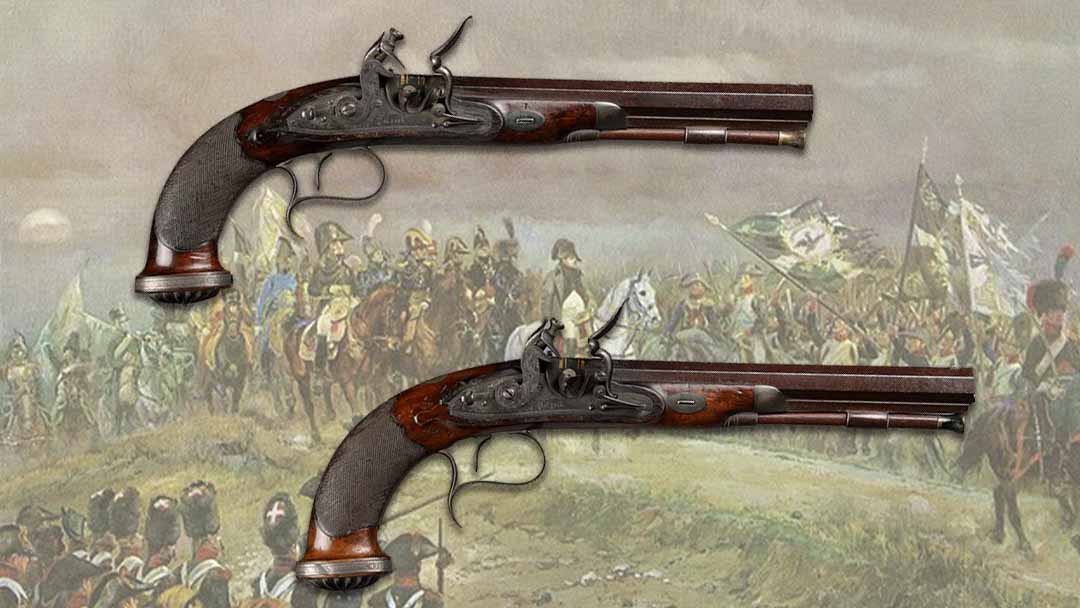
Though he was Swiss-born, Durs Egg was another of the London gunmaking royalty, apprenticing in Switzerland and Paris before putting out his shingle in London in 1772 after working for Henry Nock for a short time. He became “gun maker to his majesty the Prince of Wales and the Duke of York” in 1799, famous for his double barrel shotguns and dueling pistols, according to John F. Hayward in his book, The Art of the Old Gunsmiths.” Sadly his eyesight began to fail and he fell blind in 1822, dying nine years later.
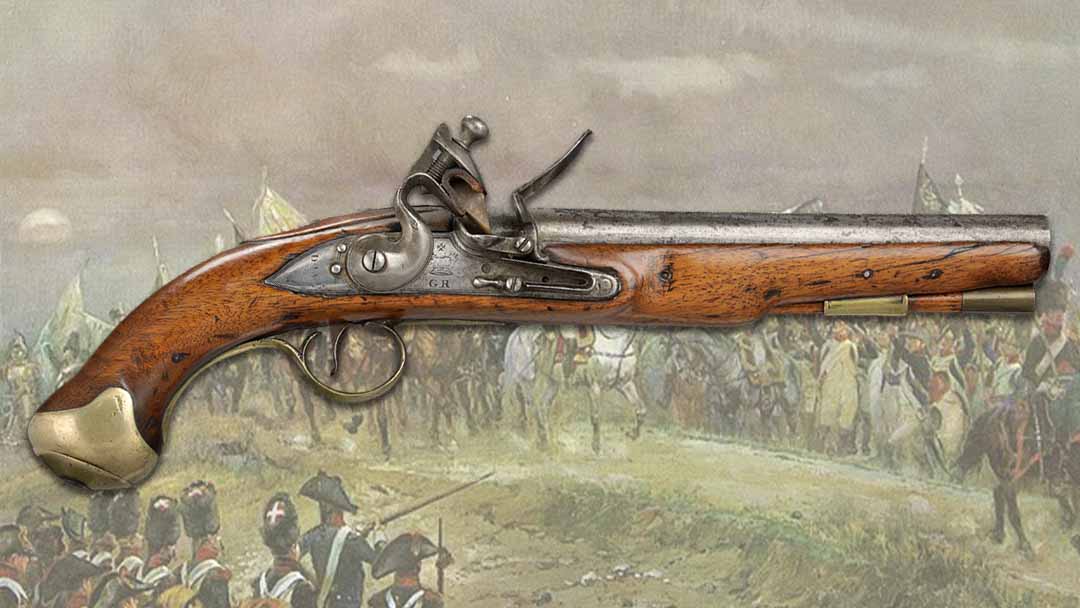
Departing London, Birmingham, in the Midlands, was also a well-known firearms manufacturing hub in England, most notably where Westley Richards got his start. The Richards were a family of gunsmiths and Westley was the third to take up the business, but not joining his family immediately. He opened his gunshop in 1812 in Birmingham, then in London three years later. The company is still in business, known as one of the finest makers of bespoke sporting arms in the world.
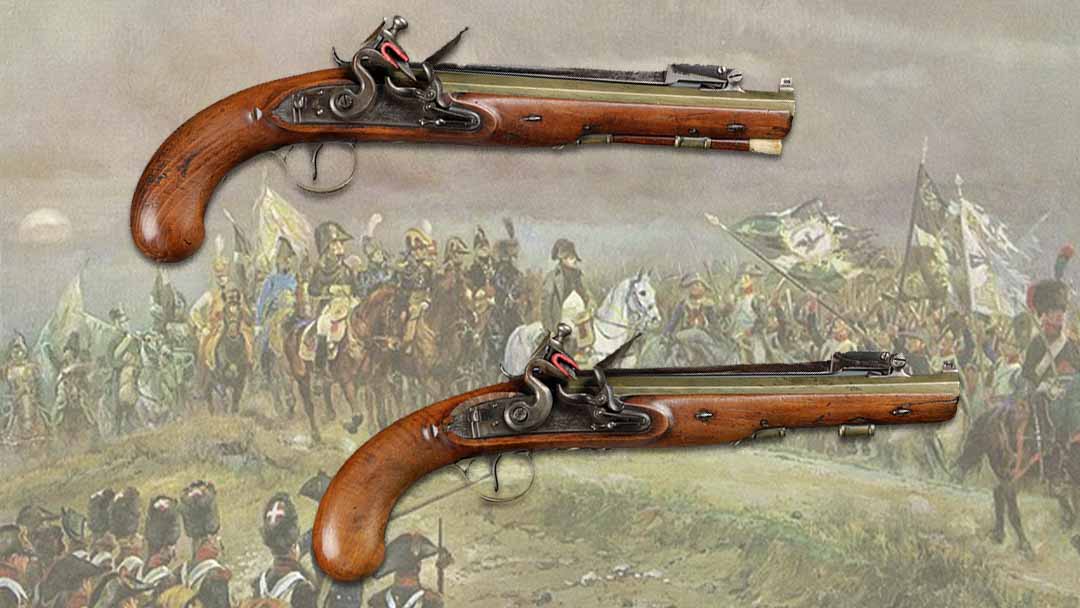
Liverpool, at the mouth of the Mersey, is better known for its soccer team, the Beatles and as a port city, but it too also had gunmakers. Among them were the Patrick family of father Jeremiah, son Edward and – interestingly – Ann. Newspaper advertisements of the time described the Patrick guns as “capital” and “excellent.” A. Merwyn Carey in his book “English, Irish and Scottish Firearms Makers,” wrote that Patrick made double barrel over/under flintlock pocket pistols as well as “cased, saw-handled dueling pistols of fine workmanship.”
Scottish Antique Pistols
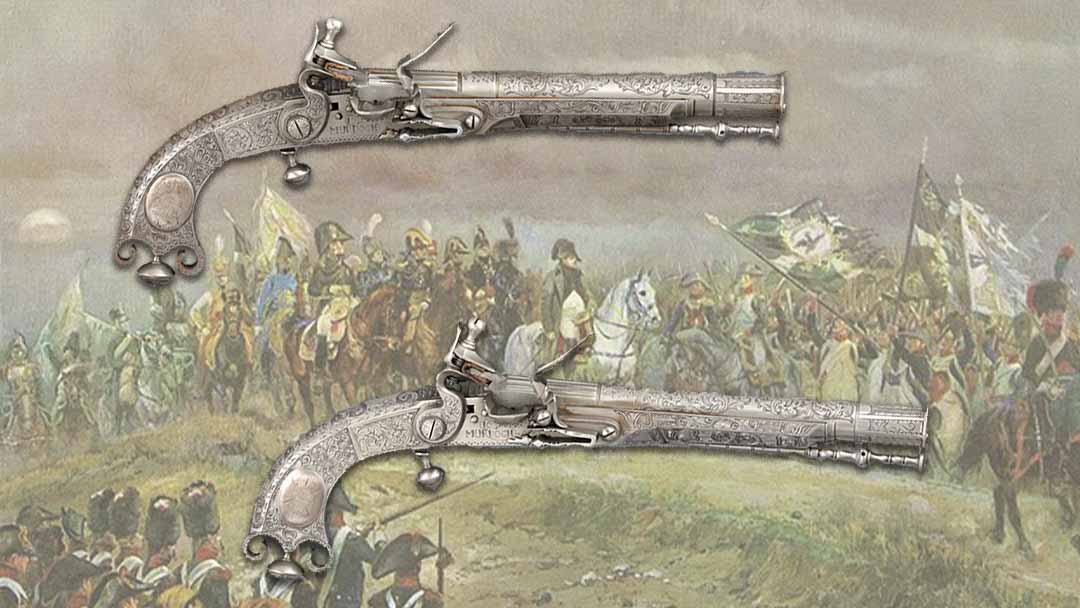
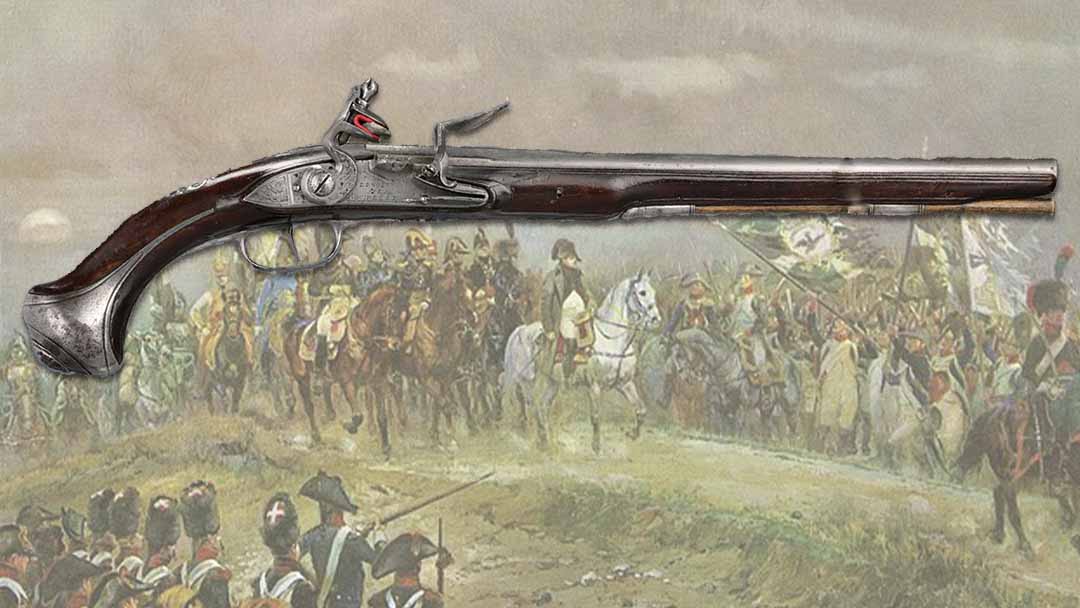
Highland pistols are easily recognizable by their “ram’s horn butt.” They came about in 1680 when Scotland faced a hardwood shortage so gunmakers used metal stocks for the guns. The renowned gunmaker John Murdoch, of Doune, was one of the finest artisans of this style so that this pistols are also known as Doune or Murdoch pistols. These guns were often engraved with thistle and floral designs.
These guns were carried by the Highland Regiments during the 18th century when officers would often tuck their pistol under their left arm.
French Antique Pistols
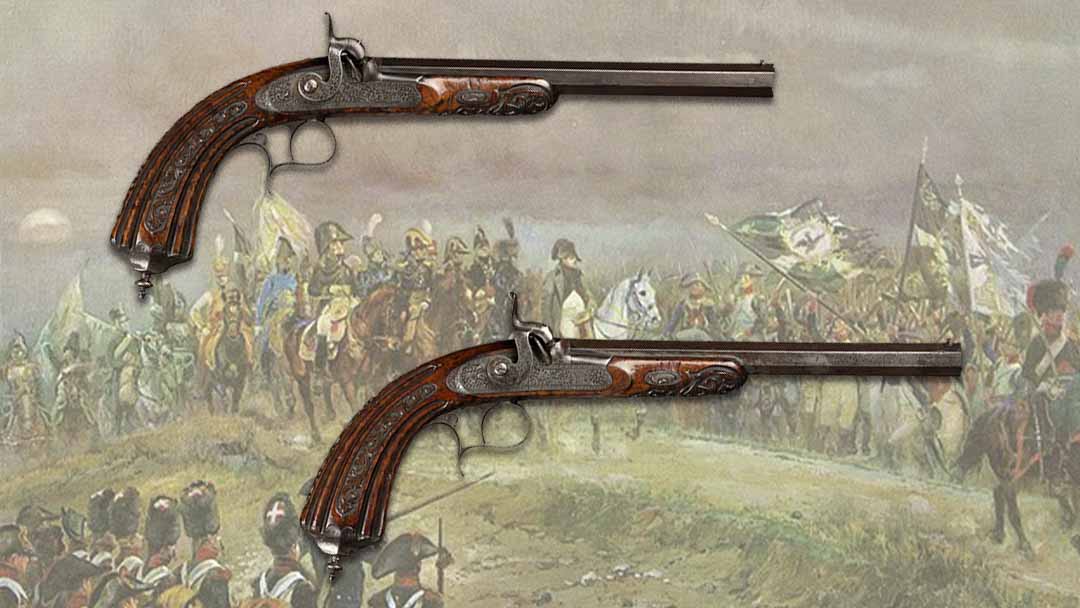
For French gunmakers, the pinnacle of their craft was to make firearms for royalty, whether it was the House of Bourbon or the Bonapartes and Rock Island Auction Company has offered these ornate antique pistols in the past. Louis-Julien Gastinne Renette was one of those gunmakers, producing firearms that are as much art as they are weaponry. Gastinne-Renette was founded in 1812 and served as the official gunsmith to Napoleon III.
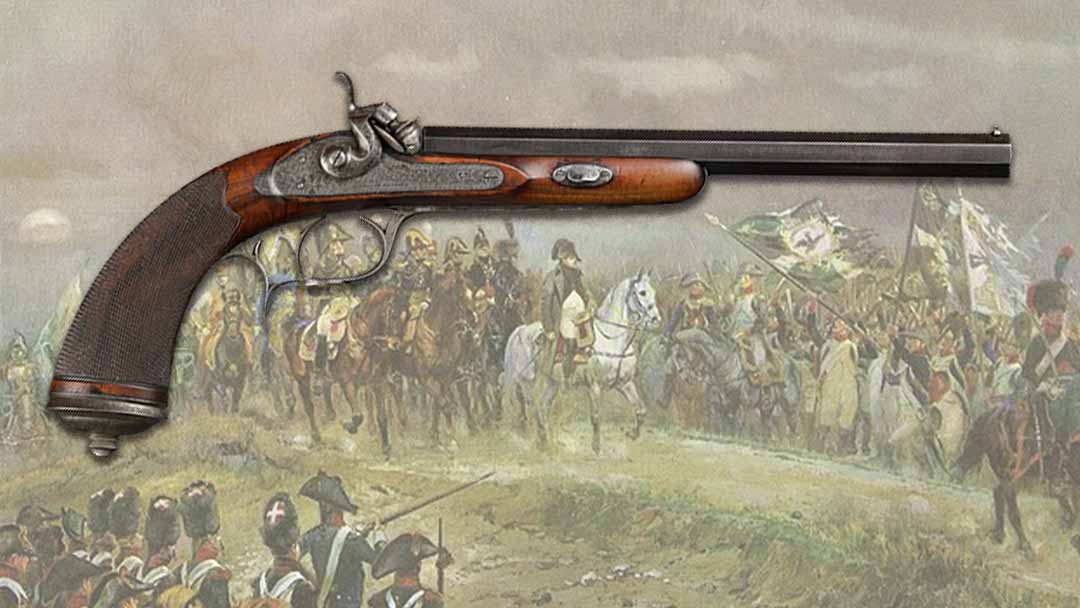
Another French gunmaker who served Napoleon III was F.P Caron who worked in Paris from 1852 to 1874 when he retired. Like Gastinne-Renette, a pair of Caron pistols are among the firearms collection of the New York Metropolitan Museum of Art.
Western France along the Bay of Biscay and the city of La Rochelle was widely fought over for centuries, having been occupied by the Romans and English before the French recaptured it in 1224. La Rochelle served as the Knight Templar’s largest base on the Atlantic Ocean.
American Antique Pistols
On the cusp of the 19th century, firearms technology would soon take a huge leap forward propelled by the land wars in Europe and upheaval in the United States, first fighting Mexico, and then the Civil War. The difficulty with 1808 flintlock muskets would demonstrate the growing pains of the U.S. military.
The U.S. Army was woefully inadequate at the start of the 19th century so the federal government ordered its size doubled and to procure muskets with bayonets for the soldiers. A call was put out to manufacturers and 19 gunmakers were awarded contracts to produce 85,000 muskets over a five-year period while armories were approved for Springfield, Mass., and Harpers Ferry, Va.
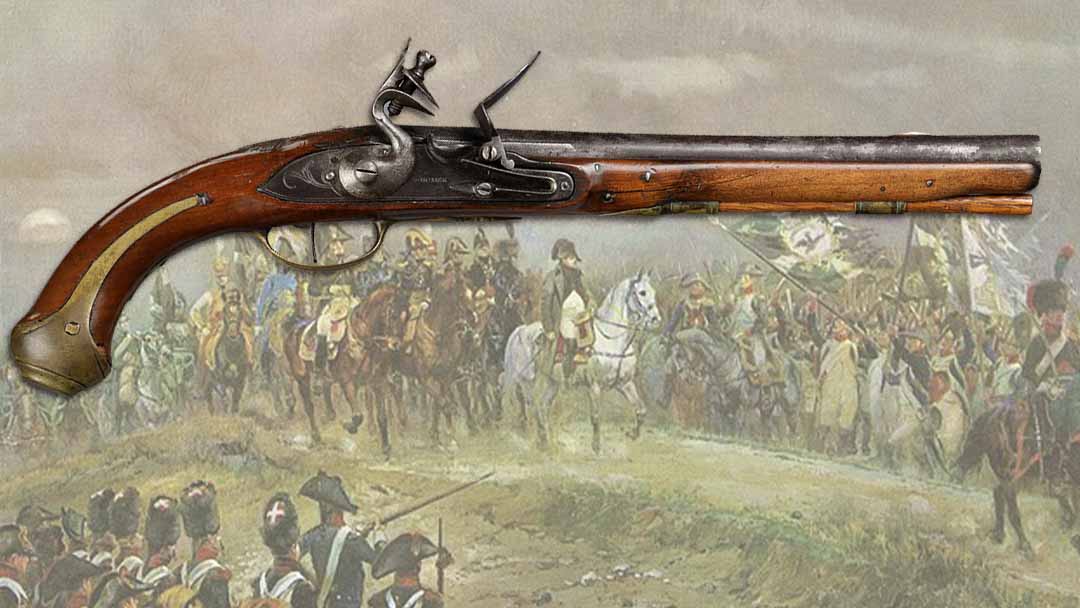
Joshua Barstow, of Exeter, N.H., was one of those gunmakers who contracted to make 500 muskets per year. Once the contract was signed he awaited arrival of a pattern musket for following the design. It took five months. Once manufacturing started Barstow waited months to get an inspector to proof barrels and then proof completed guns, falling behind on the order. Once guns were received, the government sent a check, but it bounced. Barstow wasn’t the only manufacturer experiencing this. Despite the headaches, Barstow completed the order and the federal government hired a second inspector.
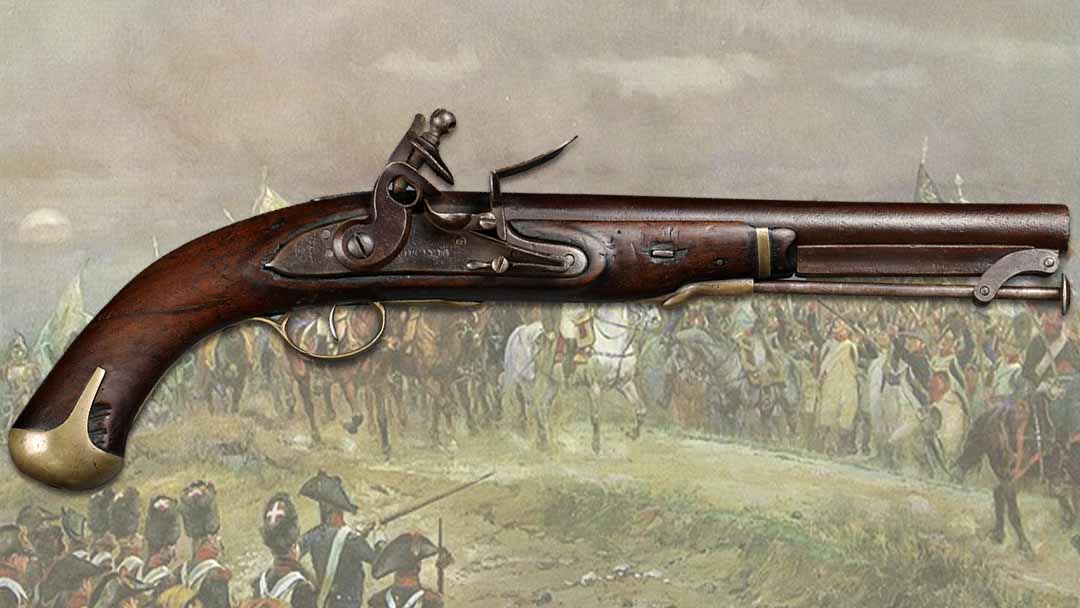
Samuel Colt’s percussion revolvers were revolutionary because of their stopping power and rate of fire. They were important to the Texas Rangers as they fought against Mexican invasion, desperados and Native Americans. Antique pistols had evolved from flintlocks to percussion firearms, and the next step would soon be self-contained ammunition.
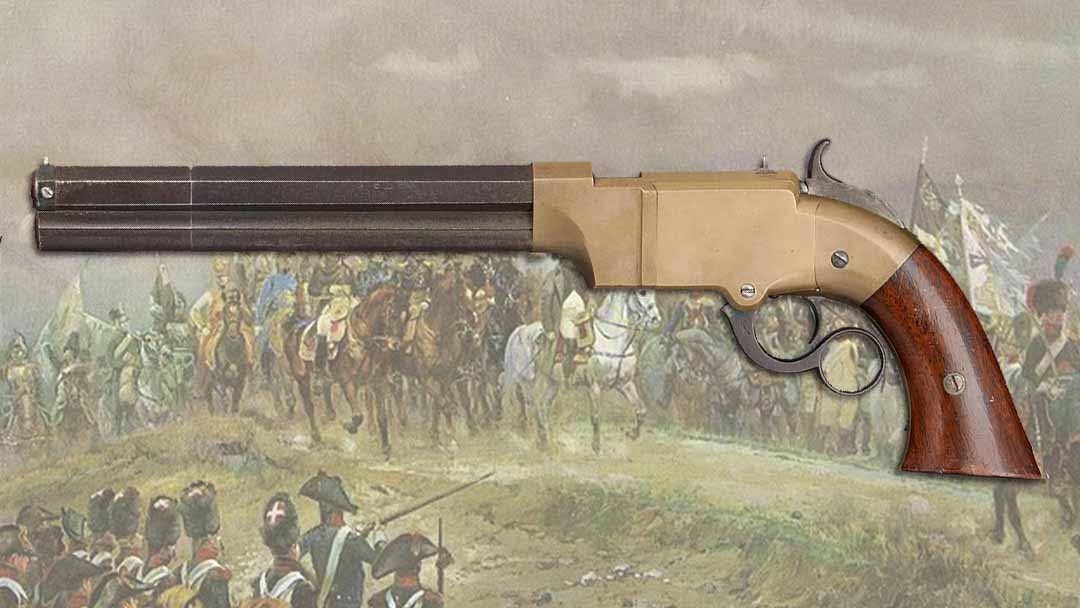
Volcanic Repeating Arms Company had its own quick-firing action in a pistol, the lever action Volcanic Navy pistol. The lever action of the pistol, manufactured from 1855-1857, would be applied to rifles and create a name change, starting with the New Haven Arms Co. Henry Rifle, followed by the Winchester Model 1866 and Model 1873, “the gun that won the West.”
Antique Guns for Sale
Flintlock guns were the main firearms platform for nearly 200 years until the rise of the percussion cap and eventually the metallic cartridges. These fascinating antique pistols show off the craftsmanship of their makers before the industrial revolution brought the assembly line and mass production, and they are available in Rock Island Auction Company’s Oct. 4-6 Sporting & Collector Auction.