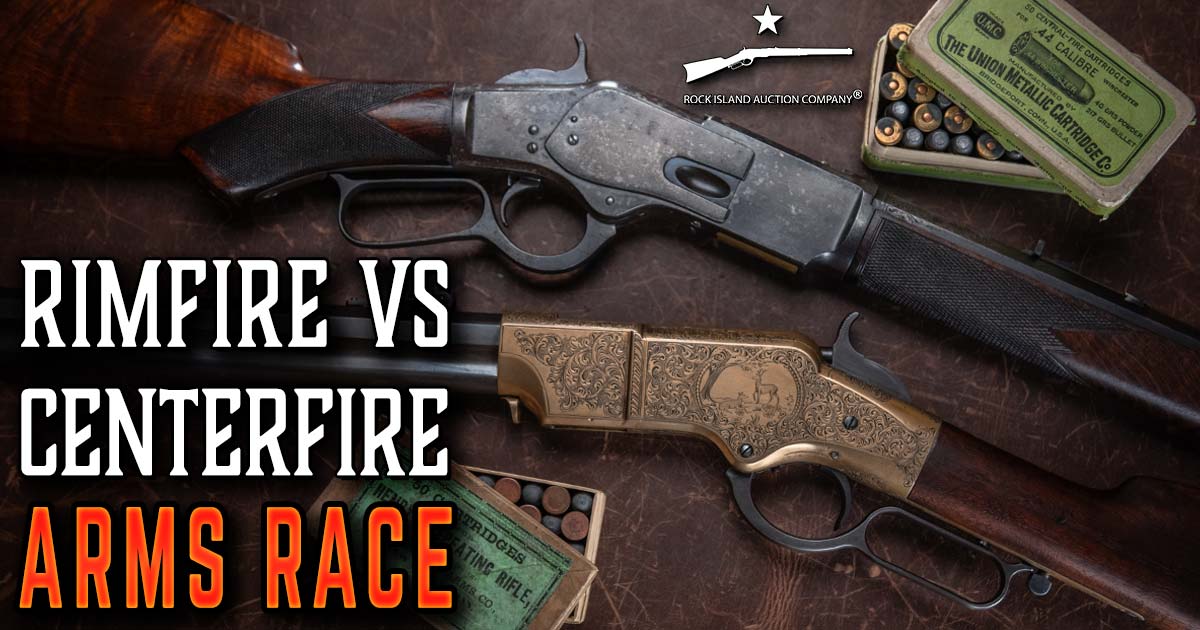
In 1857, Daniel B. Wesson’s .22 Short rimfire round set off an arms race in self-contained cartridge development that continues today. While modern centerfire ammunition dominates every niche above .22 caliber, rimfire rounds were once produced in a wide array of sizes, including large bore shells for hunting and military service.
Rock Island Auction Company’s June 21-23 Sporting and Collectors Auction in Bedford, Texas includes pioneers in cartridge development like the Henry rifle in .44 Henry Flat rimfire and the .44-40 Winchester Model 1873 in .44-40 WCF. We’ll take a look at the rimfire vs centerfire faceoff through the decades and examine some of the notable firearms chambered in each cartridge style. Click on the images throughout this article to learn more about each model.

What is the Difference Between Rimfire and Centerfire?
The terms rimfire and centerfire refer to how a self-contained firearm cartridge is ignited. A rimfire round stores its primer within a rim protrusion at the base of the cartridge casing, where a centerfire round is equipped with a separate primer contained in a metal cup mounted in the center of the casing base.
Centerfire ammunition is more complicated to manufacture than its rimfire counterpart, resulting in a higher price point. In terms of efficiency, centerfire rounds contain more powder than similarly sized rimfire cartridges, resulting in higher pressures and speeds, though at the expense of greater report and recoil.
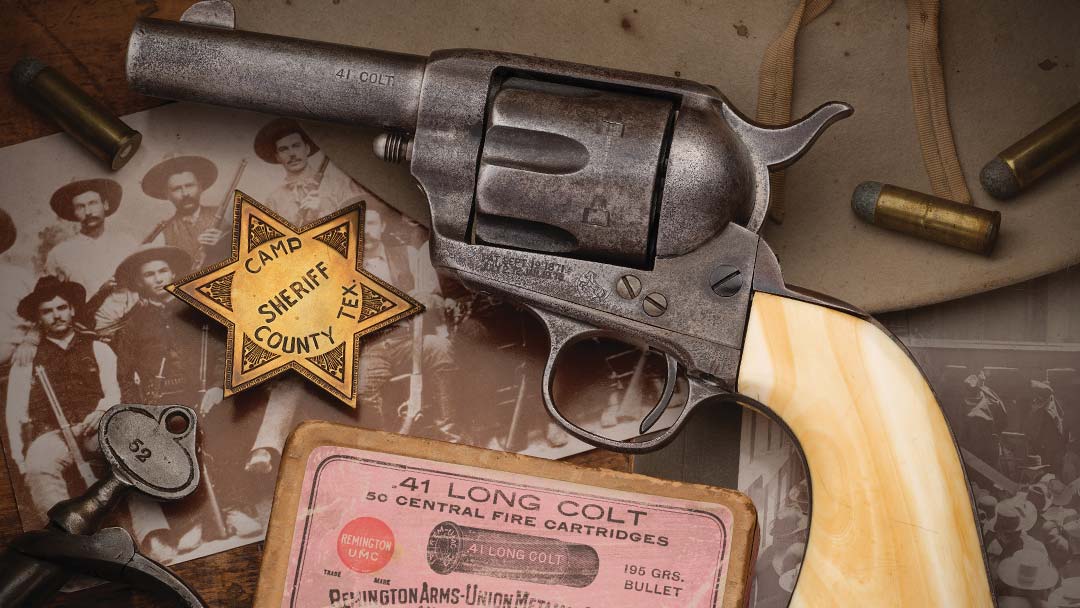
Today’s rimfire ammunition is small and primarily used in target shooting and varminting, with the .22LR cartridge serving as the most popular option. Centerfire ammunition is available in countless calibers and fills every major military, sporting, and self-defense role today. Though modern rimfire ammunition serves a more narrow set of applications, in the 19th century the rimfire vs centerfire arms race wasn’t so clearly defined.
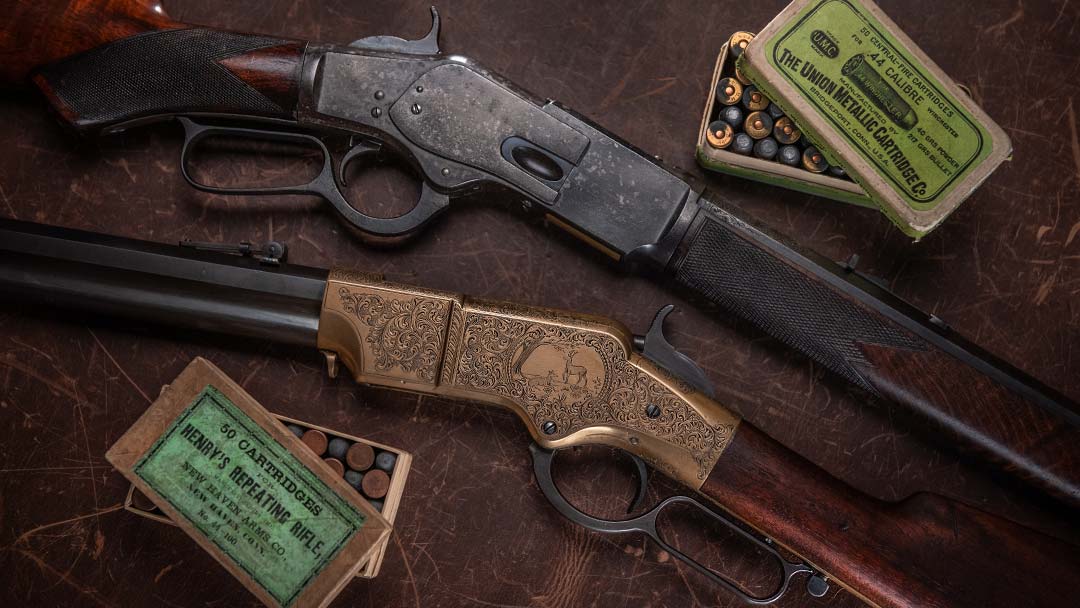
Rimfire Cartridge Evolution
In 1854, Daniel B. Wesson took inspiration from Louis-Nicolas Flobert’s .22 BB Cap and created the .22 Rimfire cartridge (later dubbed the .22 Short), a design that included a small amount of mercury fulminate in the rim of a hollow brass case filled with black powder. The end product was the first practical American rimfire copper cartridge, a breakthrough that became one of the foundations for modern ammunition.
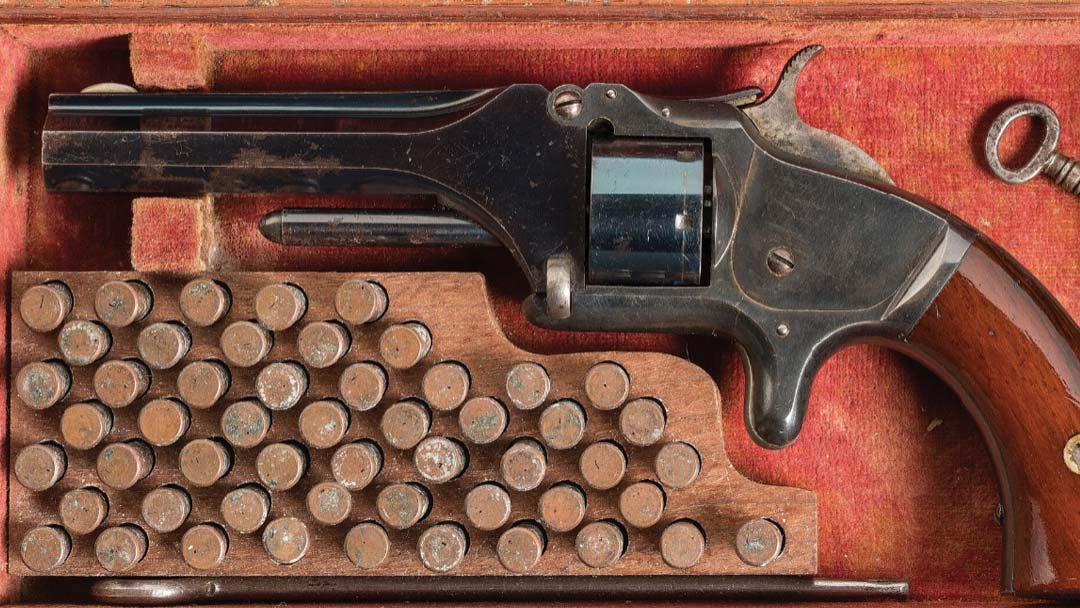
Released in 1857, the Smith & Wesson Model No. 1 became one of the world’s earliest revolvers to employ fully self-contained cartridges. Its patents allowed the company to successfully corner the American cartridge revolver market for the next two decades. According to Smith & Wesson, the .22 Rimfire cartridge had “a 4-grain charge of black powder and 29 grain bullet.”
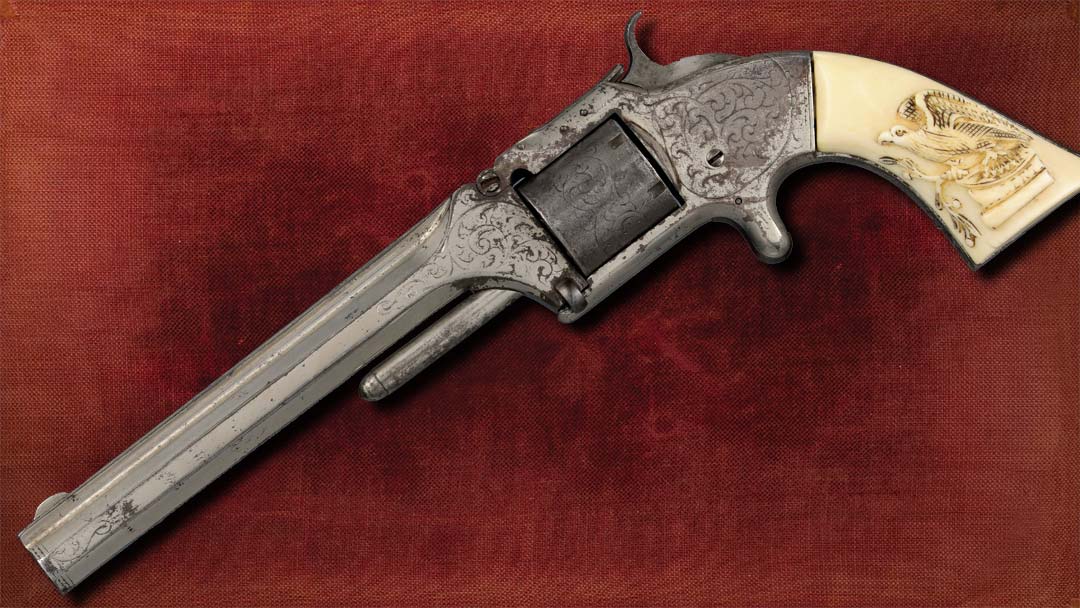
Wesson’s .22 caliber rimfire cartridge served as the influence for numerous larger rimfire rounds, including the .56-56 Spencer rimfire patented by Christopher Miner Spencer in March of 1860 and the .44 Henry rimfire patented by Benjamin Tyler Henry seven months later.
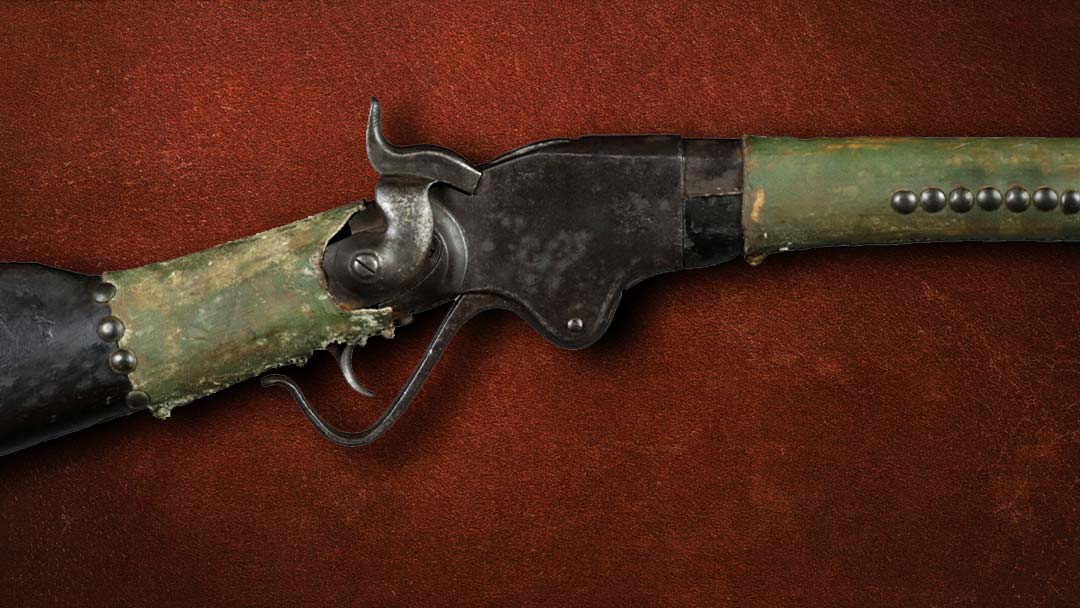
The .44 Henry became one of the most successful early rimfire cartridges. The 200-grain flat-nosed bullet was backed by 28 grains of black powder and capable of a 1,125 fps muzzle velocity from the barrel of a Henry rifle. Though lacking compared to the centerfire cartridges to follow, the .44 Henry was a dramatic upgrade from the ammunition used in the Henry’s anemic Volcanic predecessor. .44 Henry became a standard for some of the earliest full-sized metallic cartridge revolvers as well.

Rimfire vs Centerfire Winchester Rifles
The Winchester Model 1866 “Yellow Boy”, the first in what became a long line of Winchester lever actions, was also chambered in the .44 Henry Flat rimfire cartridge. While the Model 66 was an improvement over its Henry predecessor, Winchester understood that a new platform designed for a centerfire cartridge would offer their customers greater range and stopping power.

The .44-40 Winchester Center Fire, or .44 WCF, provided a notable upgrade from its rimfire sibling. With 40 grains of black powder propelling its 200-grain bullet up to 1,245 fps from the barrel of a Model 73 rifle, .44 WCF was faster, strong, and easier to reload compared to rimfire ammunition. Winchester sold reloading kits for this purpose, an ideal tool for frontiersmen far removed from the nearest ammunition store.
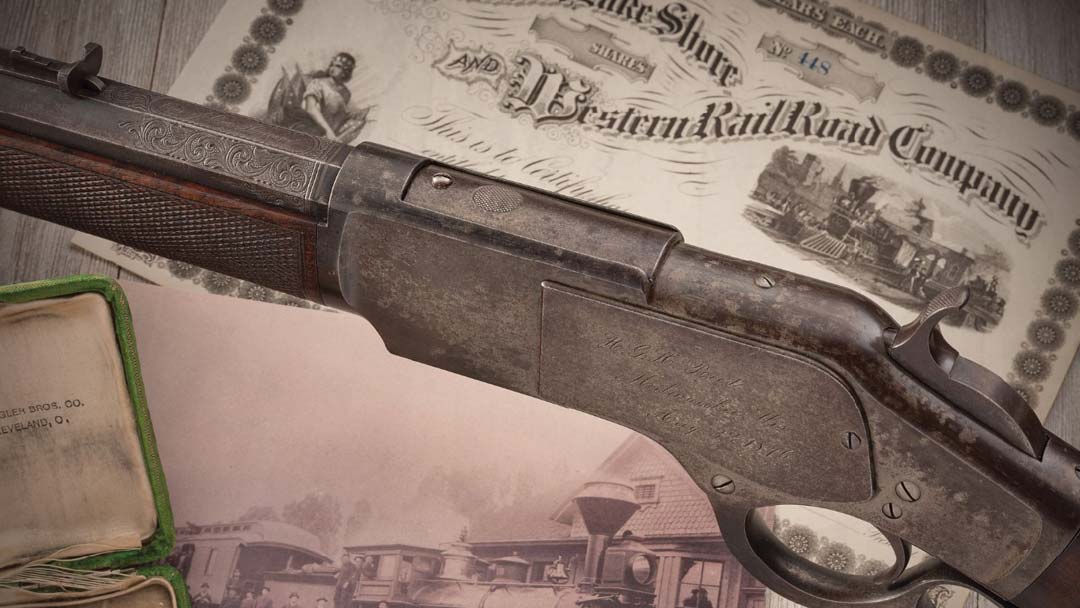
.44 WCF became one of the most popular rounds of the late 19th century. Winchester competitors Marlin and Burgess chambered rifles in the prolific centerfire cartridge and every major revolver maker offered wheelguns in .44 WCF, including Colt, Smith & Wesson, Remington, and Merwin Hulbert. Colt’s famous Frontier Six Shooter became an immensely popular option out West, allowing a frontiersman to carry ammo for both sidearm and rifle in the same cartridge belt.
Rimfire vs Centerfire Revolvers
The rimfire vs centerfire showdown heated up in the handgun market after the Rollin White patent expired in 1869. Colt began converting thousands of percussion revolvers to cartridges and the company released the five-round Colt House revolver and four-round Colt Cloverleaf revolver in 1871, each chambered in .41 rimfire.
.41 rimfire also served as the primary caliber for the Moore’s Patent derringer from the National Firearms Company. Colt purchased the manufacturer outright in 1870 and continued to sell the .41 rimfire pocket pistols in the form of the Colt 1st and 2nd Model derringers.
For the Colt Open Top revolver, Colt’s Superintendent of the Armory, William Mason, eyed the .44 Henry round due to its popularity with frontiersmen of the day.
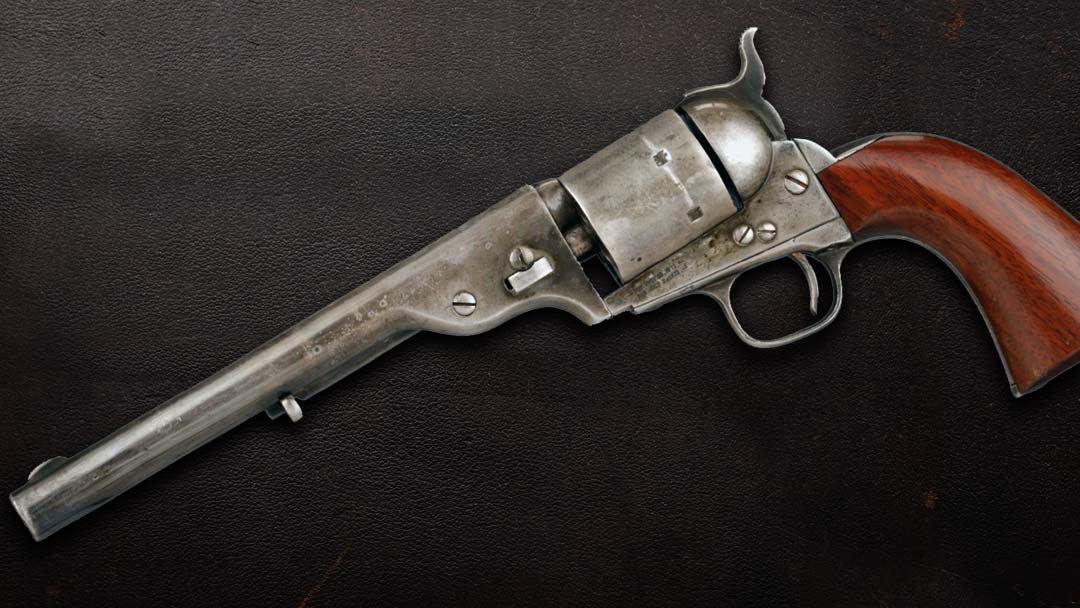
In their search for a metallic cartridge revolver, the U.S. Army prioritized stopping power and reliability. Colt’s new Single Action Army design, released in 1873, fulfilled both requirements. The solid frame sixgun was chambered in .45 Colt, a stronger round than .44 Henry rimfire and centerfire competitors like .44 S&W and .45 Schofield. Colt’s “M1873” and its hefty centerfire cartridge excelled in Ordnance Department trials and became the U.S. Army standard for years to come.

In the rimfire vs centerfire arms race, the power offered by the centerfire round made it the clear choice for American cavalry revolvers, but popular cartridges like the .44 rimfire persisted for decades in the civilian market and even endured with a few foreign militaries.
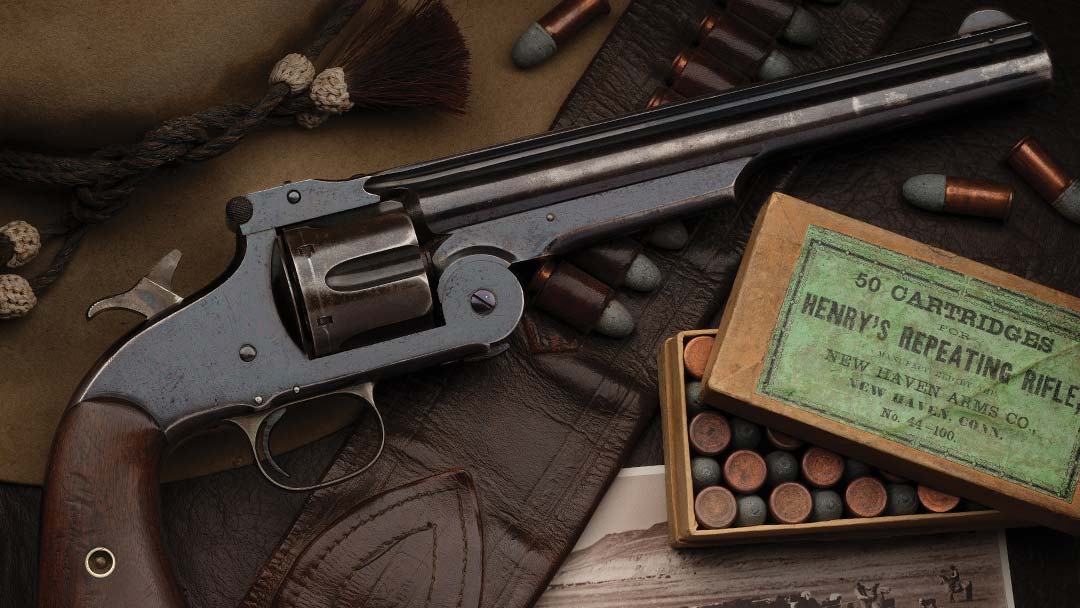
The Turkish Contract S&W New Model No. 3 chambered in .44 Henry Rimfire pictured below is an example of the latter. The Ottoman Empire had purchased 50,000 Winchester Model 1866 muskets and carbines and commissioned Smith & Wesson to chamber thousands of revolvers in the same cartridge.
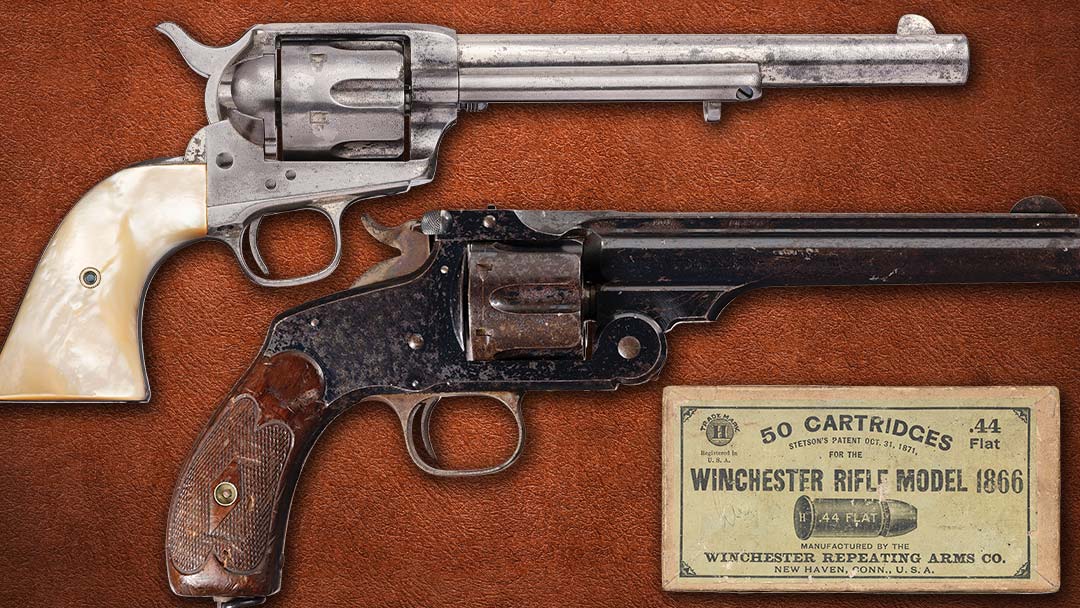
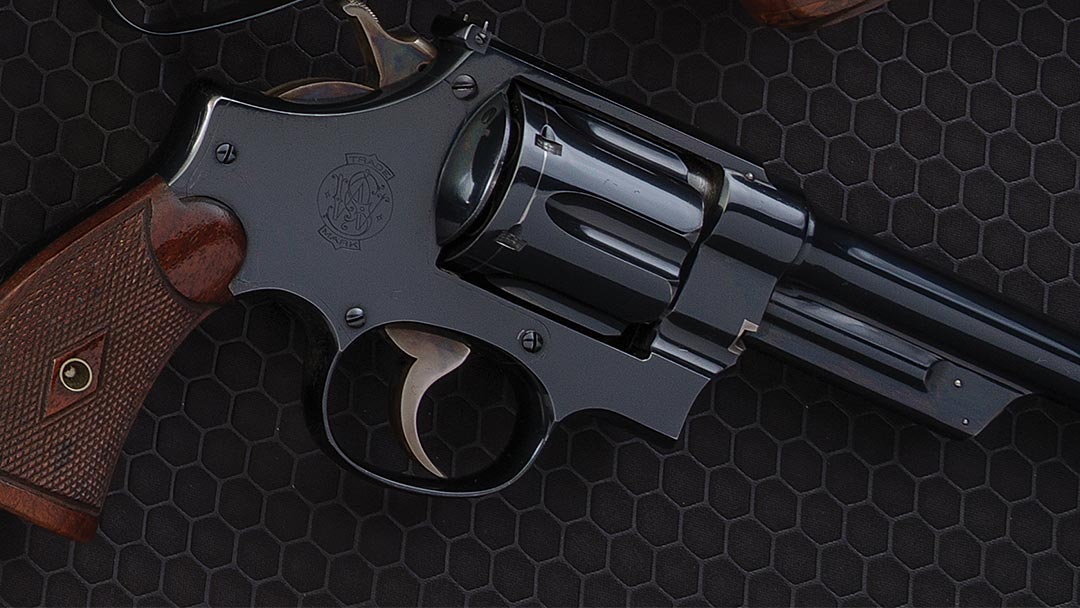
All but the smallest rimfire cartridges fell out of favor after the introduction of smokeless powder and the advances in higher-pressured, more reliable centerfire ammunition. For military, police, and hard-hitting self-defense options, revolvers chambered in centerfire reigned supreme.
Rimfire vs Centerfire Big Bore Rifles
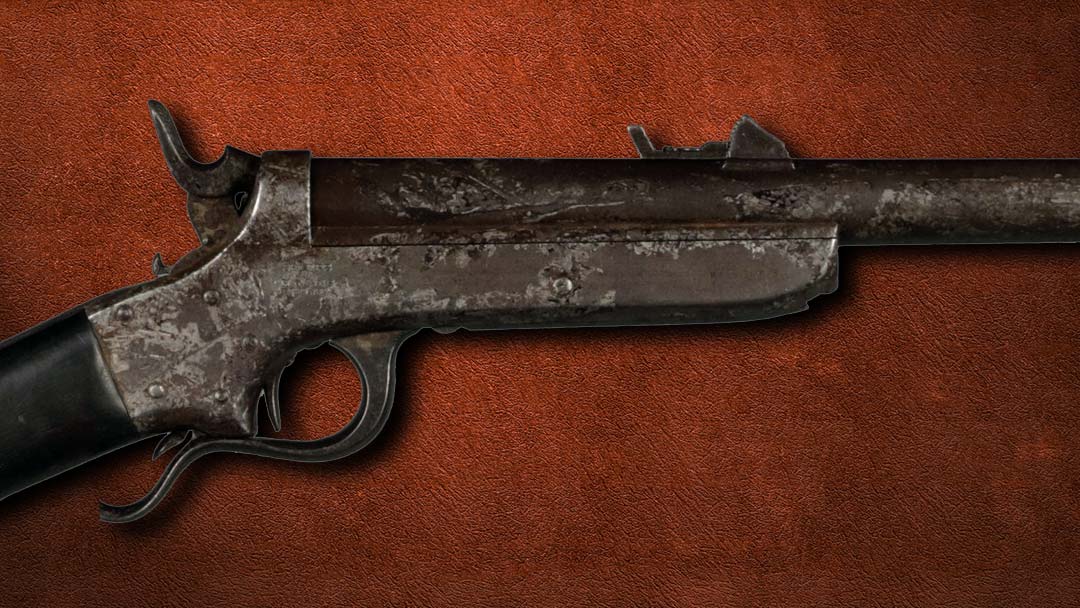
In addition to serving as inspiration for the .44 Henry and .56/56 Spencer, Smith & Wesson’s .22 Rimfire round gave rise to a variety of large chamberings, including the mammoth .58 Gatling RF Long cartridge that stretched over 2 inches in length. Civil War carbines such as the E. G. Lamson & Co. Palmer bolt action and the Remington Type II Split Breech carbine were chambered for .50 rimfire rounds, while 1866 saw the introduction of the hefty .58 Miller/Allin rimfire cartridge.
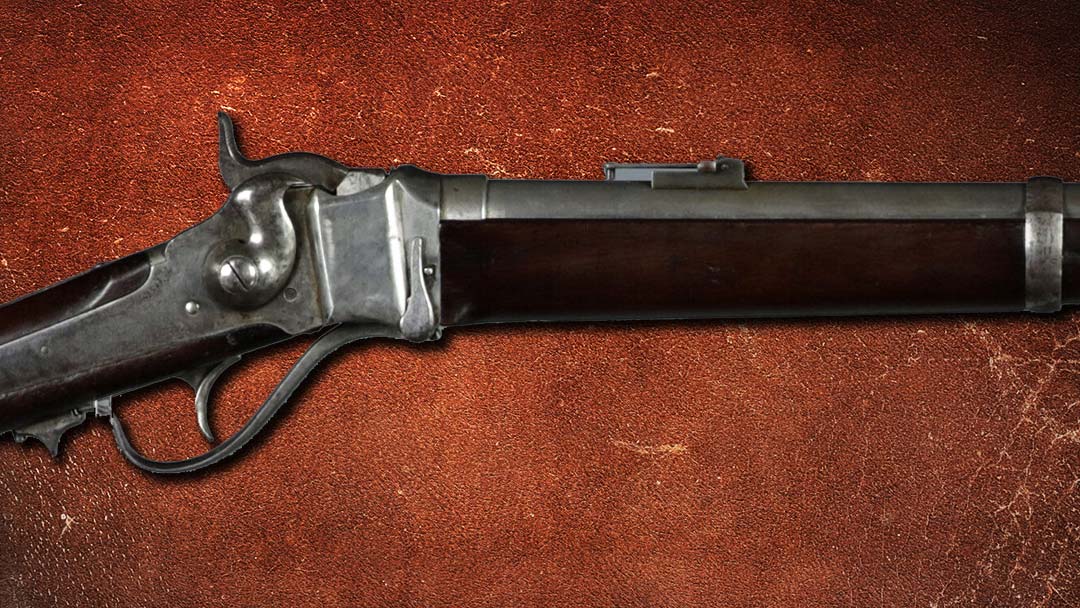
After the Civil War, the U.S. Army had 5,000 Springfield Model 1866 rifles converted to single shot breechloaders chambered .58 Miller/Allin. The following year, 25,000 more rifles were converted for the .50-70 centerfire round, which provided a more than 10% upgrade in velocity over its larger rimfire predecessor. The .50-70 and its .45-70 sibling became military and hunting standards for years to come.
Rimfire vs Centerfire Palm Pistols
The competition between rimfire vs centerfire ammo was more even in the late 19th century concealed carry market. Derringers, pocket revolvers, and palm pistols were chambered in everything from .22 to .44 caliber in each cartridge style, with scaled-down variants of some rounds developed for the most diminutive firearms.
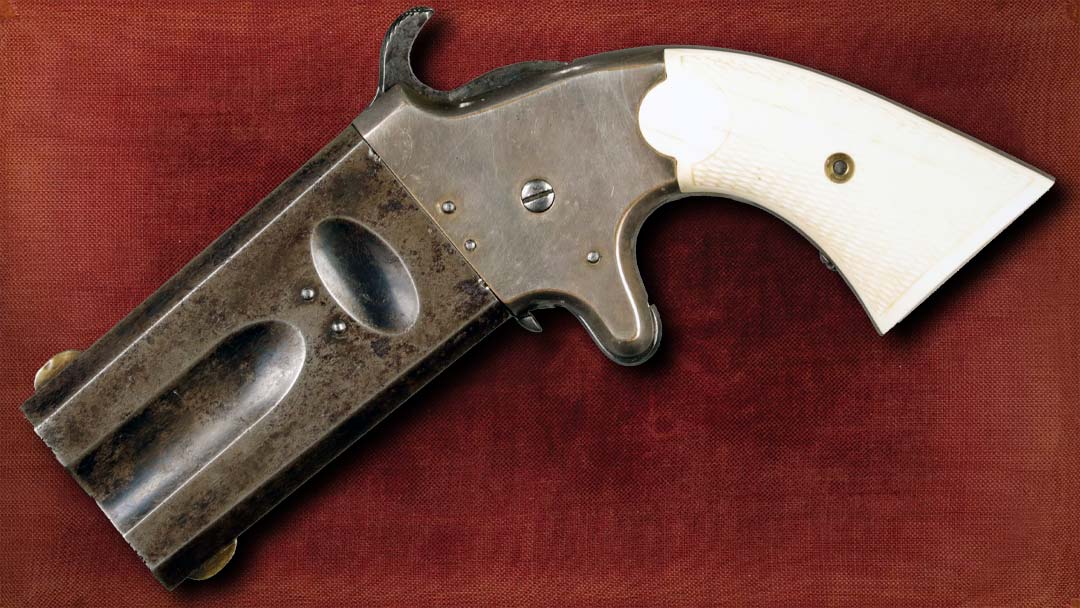
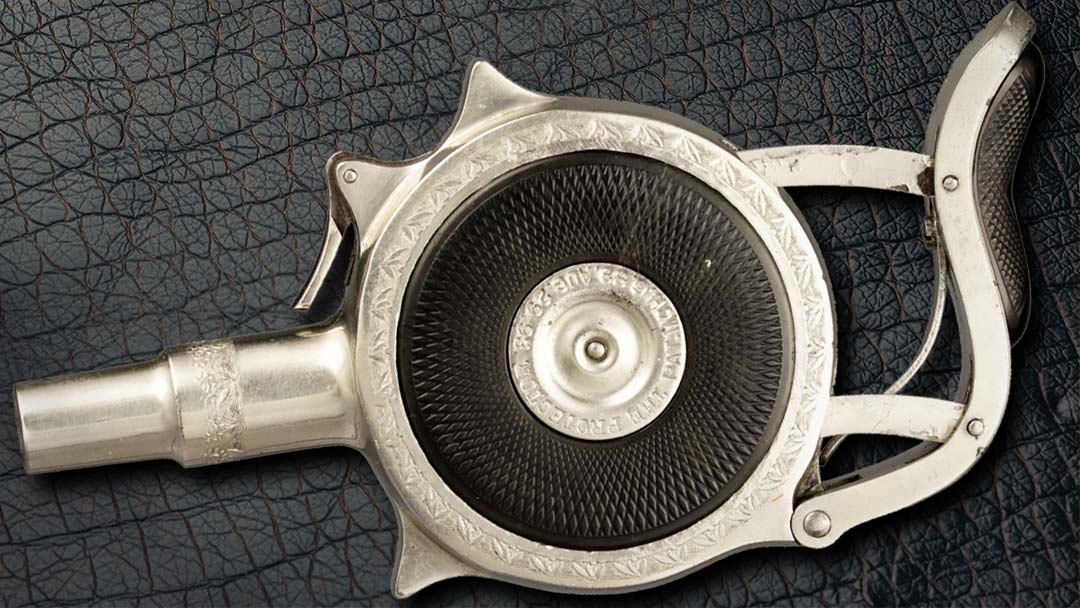
One of the most unusual palm pistols, “The Protector,” was produced in both a rimfire and centerfire variant. The early models sold by the Minneapolis Firearms Co. in 1891 are chambered in .32 Centerfire Extra Short, while the examples produced by Ames Sword Co. starting in 1892 are chambered for .32 Rimfire Extra Short, also called .32 Protector.
The Legacy of .22 Rimfire
167 years after its introduction, the venerable .22 rimfire still serves as a popular round. .22 Short remains in production as the oldest commercially manufactured cartridge, though its .22 Long Rifle cousin dominates the rimfire sales charts.
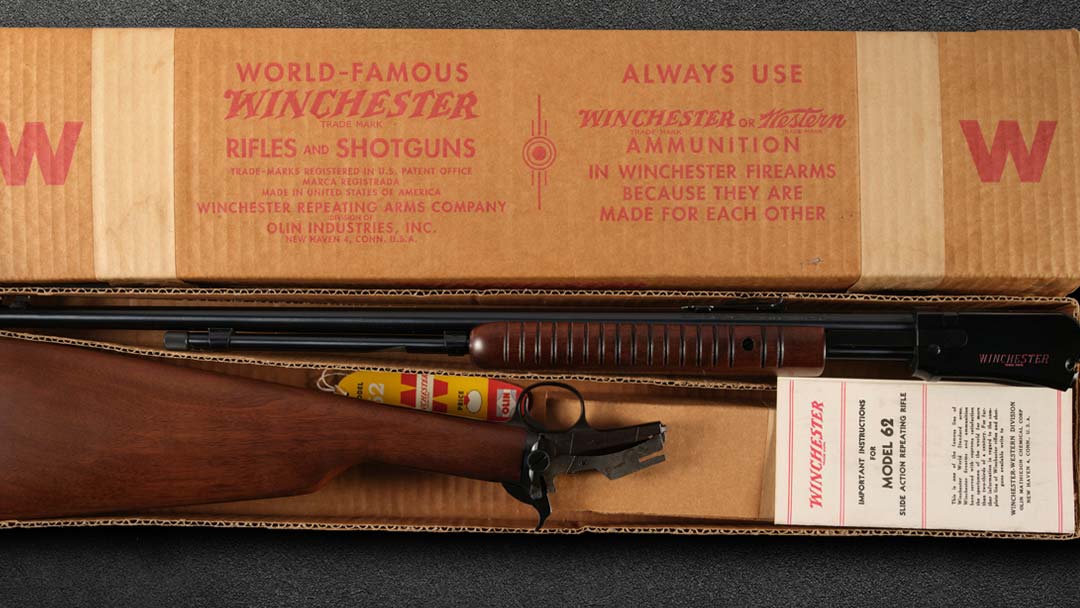
1871 saw the introduction of the .22 Long rimfire round, featuring a longer case with an additional grain of powder charge. Nine years later, the .22 Extra Long increased the length and charge further still.
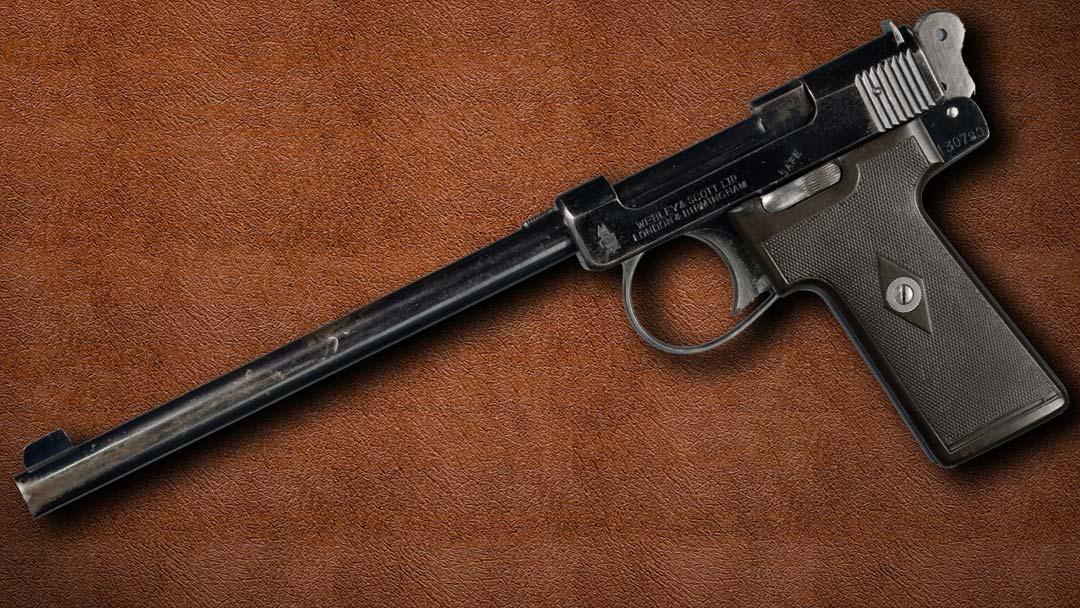
The classic .22 Long Rifle would finally emerge in 1887. A product of the J. Stevens Arms & Tool Company, this essential rimfire round was designed to rival the power of the .22 Extra Long but in a shorter package.
In the rimfire vs centerfire showdown, the sheer number of centerfire ammunition variants vastly outmatches its rival, but .22 LR still tops the sales charts. As a training caliber, a plinker, a small game staple, and a target round chambered by countless rifles and pistols, .22 LR is timeless. The cartridge’s price and availability are unmatched, and an abundance of .22 LR rounds can be carried in a belt pouch, coat pocket, or in the buttstock of a survival rifle like the AR-7.
Rimfire Evolution in the Modern Era
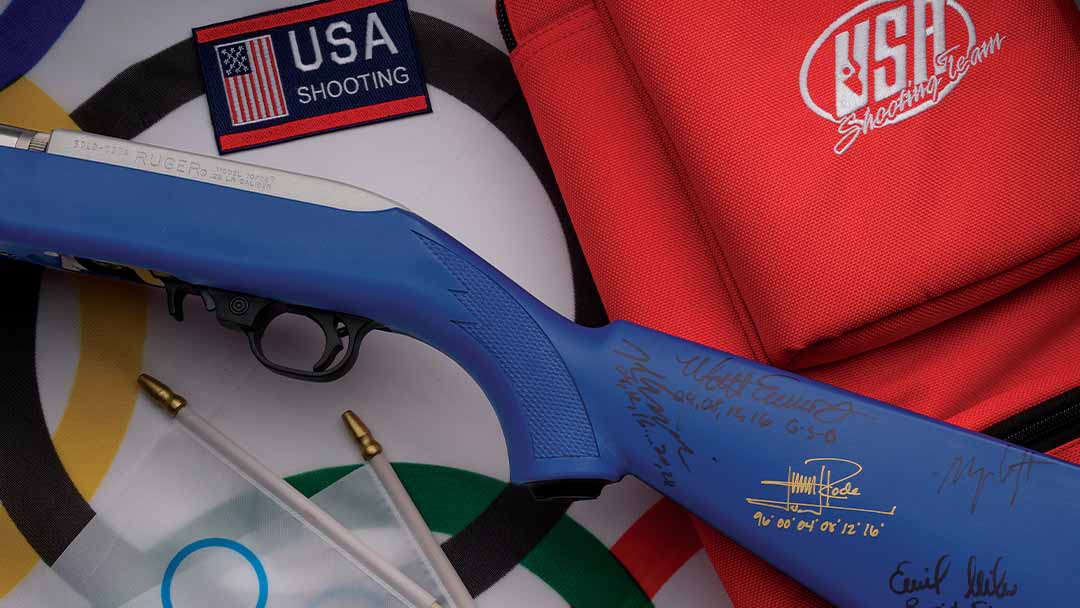
One of the more enduring 20th century advancements for rimfire ammunition was realized with Winchester’s.22 WMR in 1959. Widely known as “.22 Magnum,” .22 Winchester Magnum Rimfire offered a cartridge that surpassed the performance of .22 LR. The round was embraced by a multitude of pistol and rifle manufacturers and continues to serve as a favorite for plinking and varminting needs.
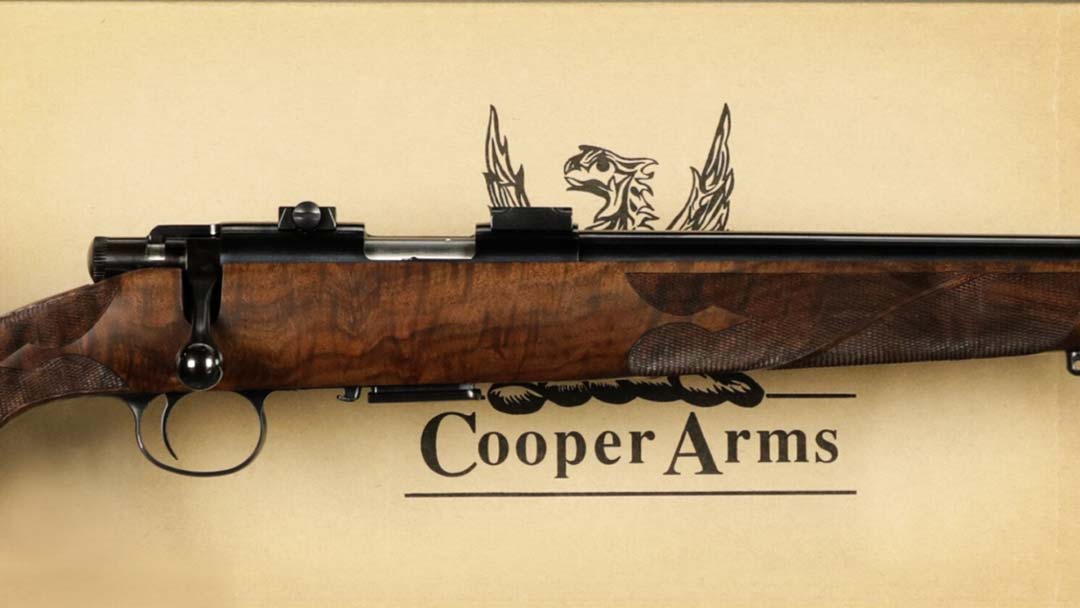
Over the next four decades, there were numerous attempts to popularize new rimfire cartridges, but none would find lasting success until Hornady Manufacturing introduced the .17 HMR in 2002. Based on a necked down .22 WMR case, .17 Hornady Magnum Rimfire would hold the title of the fastest commercial rimfire round for the next 11 years, and many popular manufacturers offer rifles chambered in this efficient little cartridge.
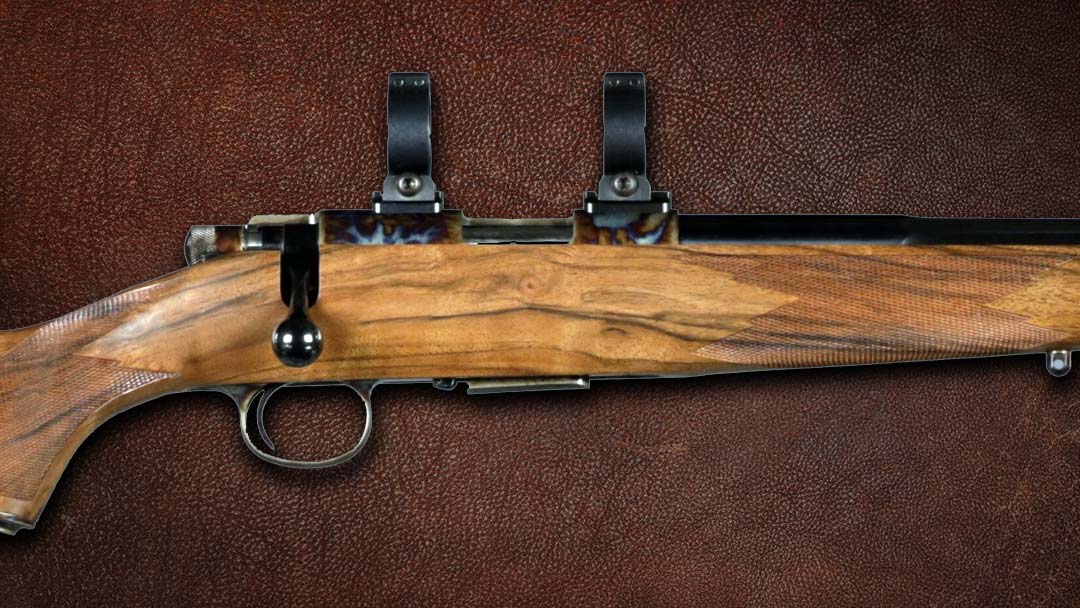
Hornady continued to innovate with the release of the .17 Mach 2 in 2004. A collaboration with CCI Ammunition, the .17 Hornady Mach 2 rimfire round was built on CCI’s .22 Stinger. Where .17 HMR provided a faster and flatter version of .22 Magnum, .17 Mach 2 offered a higher performing variant of the timeless .22 LR.
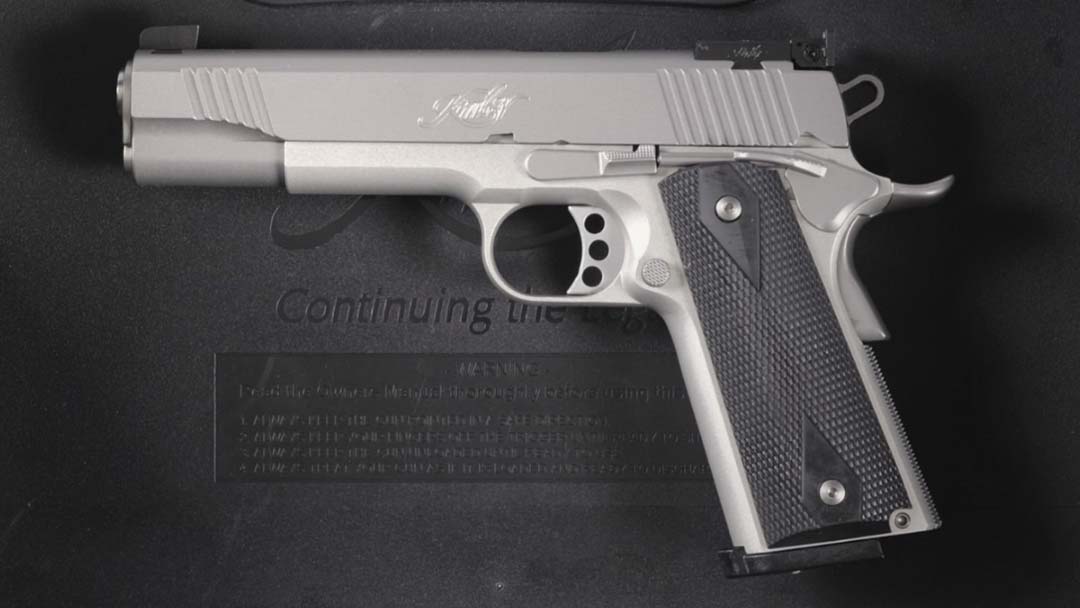
In April of 2013, the .17 Winchester Super Magnum hit the market and took the title for the fastest commercial rimfire round. Developed from a necked down .27 caliber nail gun blank, the .17 WSM can exceed speeds of 3,000 fps, offering an accurate and comparatively powerful option for a range of small-game hunting applications. In the rimfire vs centerfire competition, .17 WSM is one of the few rimfire rounds that can come anywhere close to the speeds of the zippy .17 Hornet.
The Rarest Rimfire and Centerfire Arms
From the .22 Short onward, the self-contained metal cartridge evolved to fill every niche conceivable. The rimfire vs centerfire arms race gave rise to numerous experimental gun designs and scarce chamberings that are highly desirable for today’s collectors, and a rare range of examples can be found at Rock Island Auction Company.

Subscribe to the weekly Rock Island Auction newsletter for new gun blogs and gun videos that dive deeper into the ammunition. From powerhouse pistol rounds like the .357 Magnum, .44 Magnum, .500 S&W, heavy hitting hunting ammo like the 10 gauge shotgun shell, the Nitro Express, and the mammoth punt gun shell, to ammunition oddities like the pinfire cartridge, the Gyrojet pistol, the Dardick revolver, and the Daisy V/L, we explore every niche of arms development.